The Sunday Times is a British Sunday newspaper founded in 1821 and known for long-form reporting, commentary, magazine-style features, and a strong emphasis on photography and design. It is part of Times Newspapers Ltd, which also publishes The Times, and has long occupied the “quality press” end of the market: more literary and analytical than tabloid papers, with a visual presentation built around news, culture, sport, and lifestyle sections.
- Founded in 1821, making it one of Britain’s oldest Sunday newspapers.
- Published in the UK and aimed at a national readership.
- Known for investigative journalism, features, reviews, and supplements.
- Its visual identity combines dense editorial pages with image-led magazine sections.
- It is part of the same publishing group as The Times.
What kind of newspaper is it?
The Sunday Times sits in the British “broadsheet” tradition, even as newspaper formats and layouts have changed over time. It covers politics, business, culture, sport, travel, and style, but its identity depends especially on long-form journalism and feature writing. The paper is not built around rapid-fire headlines or short news bursts; it presents stories as extended reads, often with a strong authorial voice.
That editorial approach affects how it looks. The paper typically balances text-heavy reporting with carefully edited photography, infographics, and illustrated sections. In practice, that means a reader may encounter a hard news investigation next to a fashion shoot, a film interview, or a photography portfolio reproduced with substantial space and high production values.
Why does it matter in British media?
The Sunday Times has mattered for more than two centuries because it helped define what a national Sunday paper could be: substantial, opinionated, and commercially powerful. Its circulation and influence have made it an important platform for reporting that can shape public debate, from politics and business to arts coverage and consumer journalism. It also helped establish the Sunday paper as a different object from the weekday daily, with more room for features, analysis, and visual storytelling.
Its importance extends to the way editors and designers use the page. The paper’s supplement culture, especially its magazine and style sections, gave photographers, stylists, art directors, and writers a prominent place in mainstream print. For visual culture, that matters because the paper has repeatedly served as a showcase for fashion shoots, portraits, and editorial image-making rather than treating pictures as decoration only.
How is it made and presented?
The Sunday Times is produced like a large-scale editorial package rather than a single newspaper sheet. News stories, comment pieces, investigations, and reviews are assembled with photography, captions, pull quotes, and section breaks. The result is a layered reading experience: the paper does not simply deliver information, it stages it through typography, pacing, and image placement.
Its style supplements have been especially important for creative work. Photographers and image-makers appearing in the paper often work within tightly art-directed layouts, where clothing, props, location, and light are chosen to support a specific editorial mood. For writers and editors, the paper’s format gives room for narrative and context; for designers, it offers a canvas for making complex content legible without flattening its tone.
What does it look like in practice?
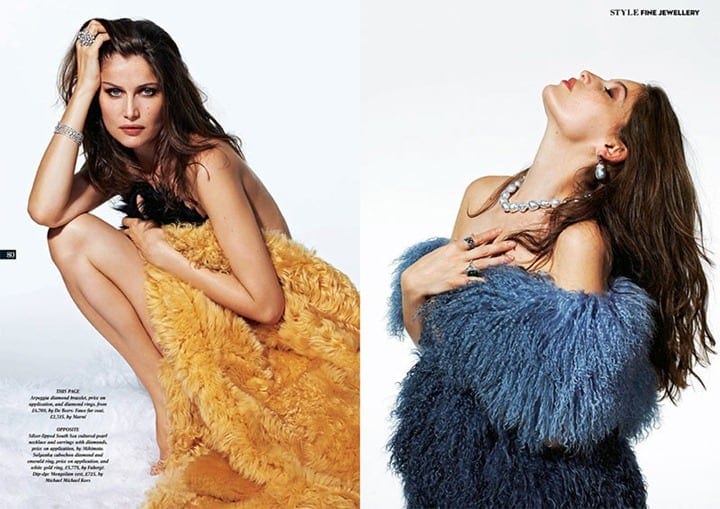
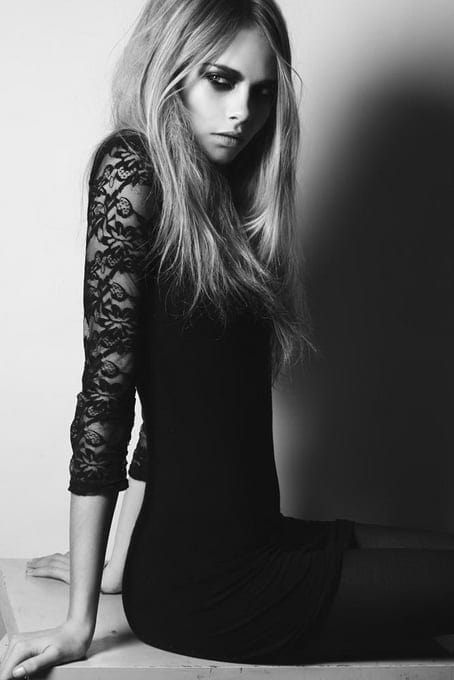
In practice, The Sunday Times can contain several distinct visual languages at once. The main news pages often use restrained typography and a sober grid, while features and magazine sections become looser, more spacious, and more image-forward. A profile might run with a single strong portrait; a style feature may use a sequence of fashion photographs with clean white space and minimal text intrusion.
That flexibility is part of its identity. The paper can support investigative graphics, documentary photography, celebrity portraiture, and luxury fashion coverage within the same issue. For artists, photographers, and designers, appearing in The Sunday Times means working inside a publication that values both editorial authority and polished presentation.
Frequently Asked Questions
Is The Sunday Times the same paper as The Times?
No. The Sunday Times and The Times are separate newspapers with different histories, even though they are now under common ownership and published by the same company. They have shared ownership only since the late 20th century. Each has its own editorial voice, readership, and publishing schedule.
Why is it often mentioned in fashion and photography coverage?
Because its style and magazine sections regularly publish editorial shoots, portraits, and visual features. Those pages give photographers, stylists, and art directors room to build a look rather than simply illustrate a story. As a result, the paper appears often in credits for fashion, portrait, and culture work.
What does “quality” newspaper mean here?
In British media, “quality” generally refers to newspapers associated with serious reporting, analysis, and features rather than sensational headlines. The term is historical and sometimes awkward, but it points to a publication aimed at readers who expect depth and editorial judgment. The Sunday Times fits that category through its reporting style, long features, and premium presentation.
Articles mentioning The Sunday Times