Tumblr is a microblogging and social networking platform built around short posts, reblogging, and highly customizable personal blogs. Founded in 2007 by David Karp, it became a major home for image-heavy internet culture, fandom, GIF making, art sharing, photography, and informal publishing. Its appeal came from speed and flexibility: a post could be a text note, photo set, quote, link, audio file, or animated GIF, and each blog could be shaped to look like a tiny independent site.
- Founded: 2007
- Founder: David Karp
- Type: Microblogging and social networking platform
- Core format: Short posts published to individual blogs and circulated through reblogs
- Known for: GIF culture, fandom communities, visual blogging, and custom themes
How Tumblr works
Tumblr organizes publishing around the blog rather than the profile. Each account can host one or more blogs, and each blog can carry its own name, theme, avatar, and posting style. The dashboard acts as the main feed: it gathers posts from followed blogs and lets users reblog, like, queue, or edit posts before sharing them again. That structure made Tumblr less like a static website and more like a fast-moving publishing network made from thousands of individual pages.
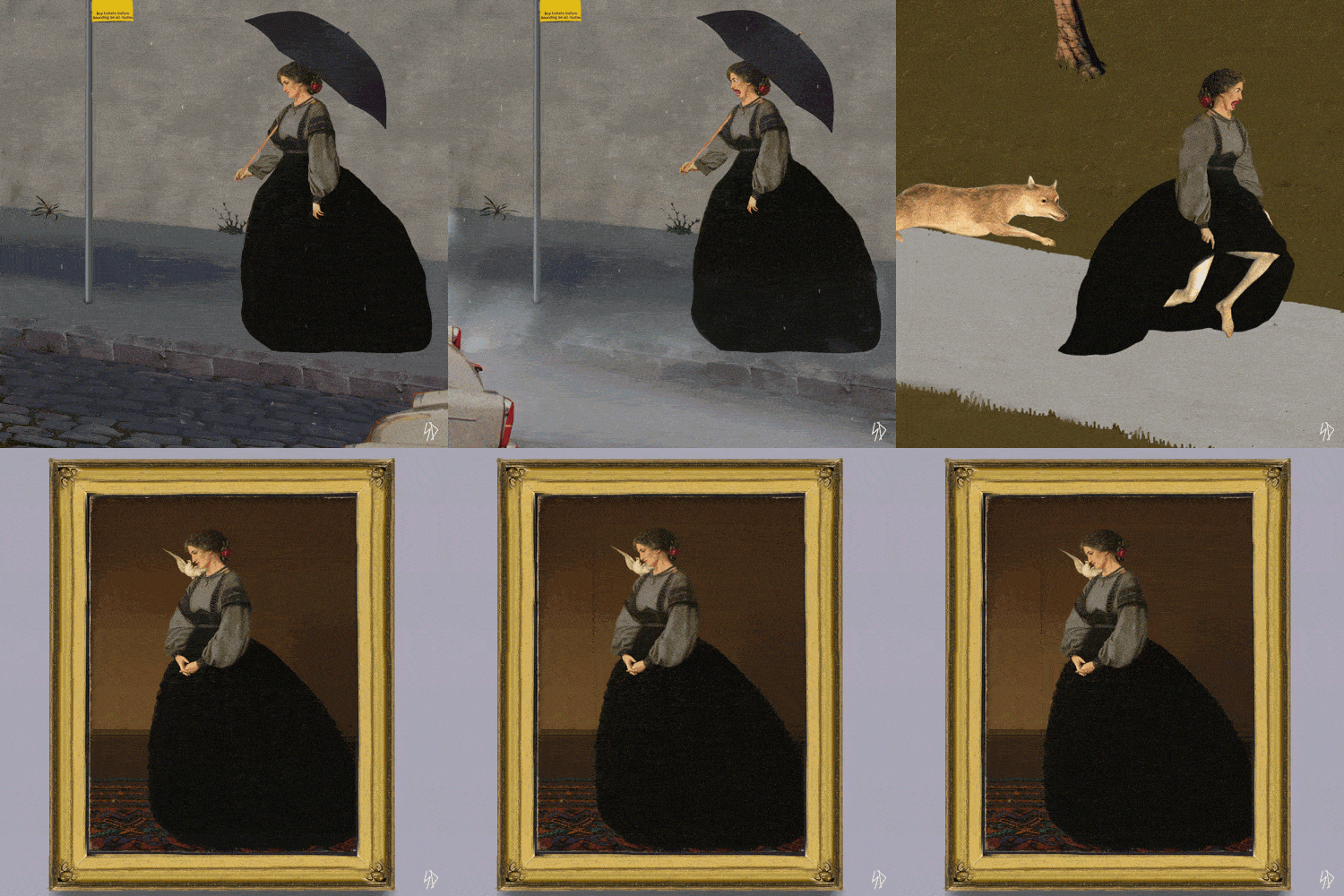
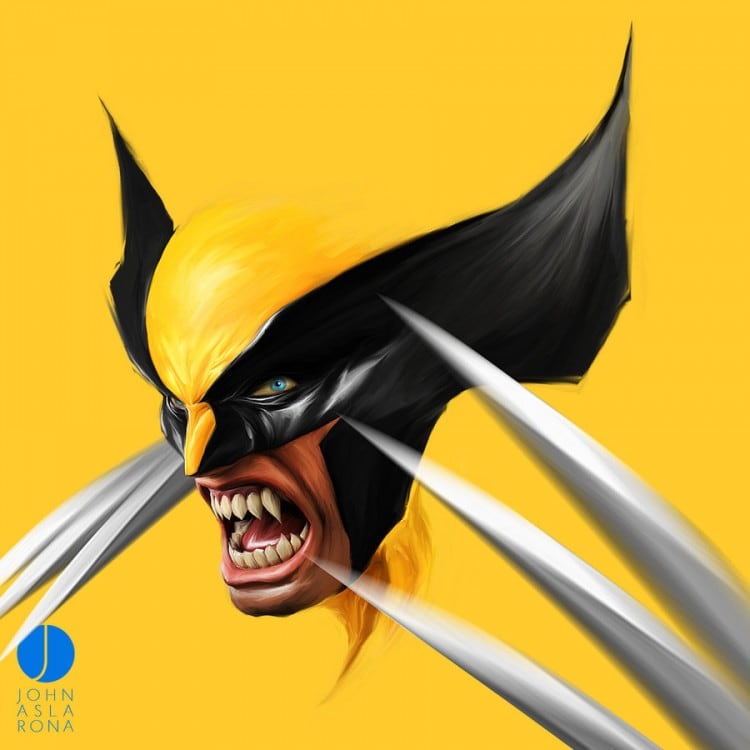
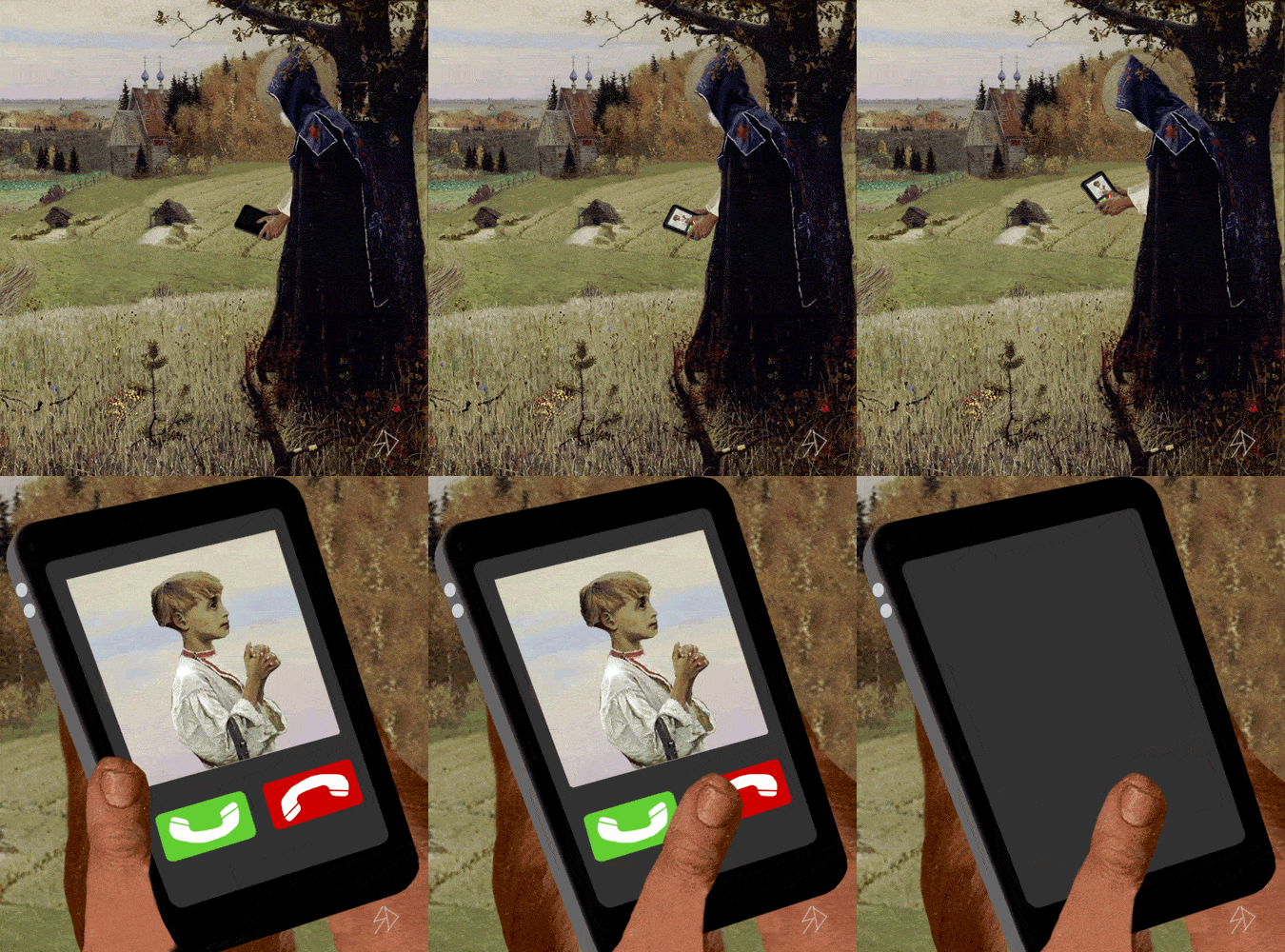
The platform accepts multiple post types, but image and animated image posts became especially important. Designers, photographers, illustrators, and motion artists used it to publish work in progress, finished pieces, mood boards, and fragments of visual research. Reblogging gave images a second life: a post could spread far beyond its original blog while keeping traces of its source, captions, tags, and commentary.
Why did Tumblr matter to visual culture?
Tumblr changed how visual culture circulated online in the 2010s. It rewarded material that could be consumed quickly and re-used easily: GIFs, stills from films, typography experiments, scans, collages, fan art, and photographic sequences. Its tagging system made discovery feel organic rather than editorial, so niche scenes could cluster around shared aesthetics long before they entered mainstream design language. Many internet styles that later became familiar elsewhere — pastel minimalism, vaporwave references, mood-board composition, archival image collecting — were refined in Tumblr posts and dashboards.
For makers, the platform functioned as both portfolio and sketchbook. Artists often posted process shots, tests, and unfinished ideas alongside finished work. That looseness mattered: Tumblr encouraged a less polished form of self-presentation than traditional portfolios, which made it useful for emerging illustrators, photographers, GIF artists, and independent magazines. The platform’s culture also helped normalize attribution by reblogging and caption chains, although that system was never perfect and original authorship could still be blurred as posts circulated.
What does Tumblr content look like in practice?
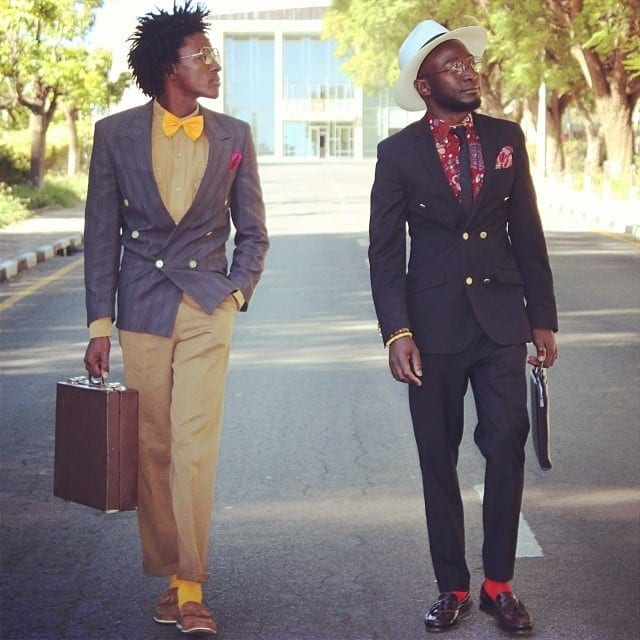
Typical Tumblr posts combine image-led formats with short, personal, or critical text. A photographer might post a three-image set with a brief note on lighting or location. A GIF artist might publish a looping animation with tags used as metadata, commentary, or jokes. A designer might share references, scans, mockups, and found material in a single stream. The result is less a polished article than a living archive of fragments, arranged through theme, taste, and repetition.
Custom themes helped make those blogs feel like independent publications. Some were spare and typographic; others used full-bleed images, narrow sidebars, or infinite-scroll layouts. In practice, Tumblr sat somewhere between social network, CMS, and scrapbook. That hybrid form made it especially suited to visual thinkers who wanted control over presentation without the overhead of building a website from scratch.
What happened to Tumblr after its peak?
Tumblr’s influence peaked in the early to mid-2010s, when it was central to internet art, fandom, and youth culture. After that, traffic and public attention shifted toward platforms with different mechanics, especially Instagram, Twitter/X, and later TikTok. Tumblr still remains active, but its cultural role changed from default discovery engine to a more specialized community space with loyal users and distinct subcultures.
Its legacy persists in the visual habits it normalized: endless scroll, reblogged reference chains, mood boards, and the casual mixing of found imagery with original work. Many artists still use Tumblr as a reference archive or secondary publishing outlet because it preserves image-first posting and allows a blog to feel personal rather than corporate. For visual culture, that combination of archive, feed, and publishing space remains unusually useful.
Frequently Asked Questions
Is Tumblr a social network or a blogging platform?
It is both. Tumblr lets users publish to individual blogs, but those blogs exist inside a social system built on following, liking, and reblogging. That mix made it different from a standard blog host or a purely social feed.
Why was Tumblr so important for GIFs and image-based art?
Tumblr made short looping media easy to post, share, and remix. GIFs fit the platform’s fast, repetitive, image-led rhythm, and the dashboard rewarded visuals that could be understood at a glance. Artists used it to circulate motion studies, clips, and visual jokes that traveled well through reblogs.
Does Tumblr still matter for artists and designers?
Yes, though in a narrower way than during its peak. It still offers a flexible publishing space for image-heavy work, archives, references, and personal curation. For some artists, that makes it preferable to platforms that compress everything into a single algorithmic feed.
At a glance
- Founded
- February 2007
- Address
- New York, United States
Articles mentioning Tumblr