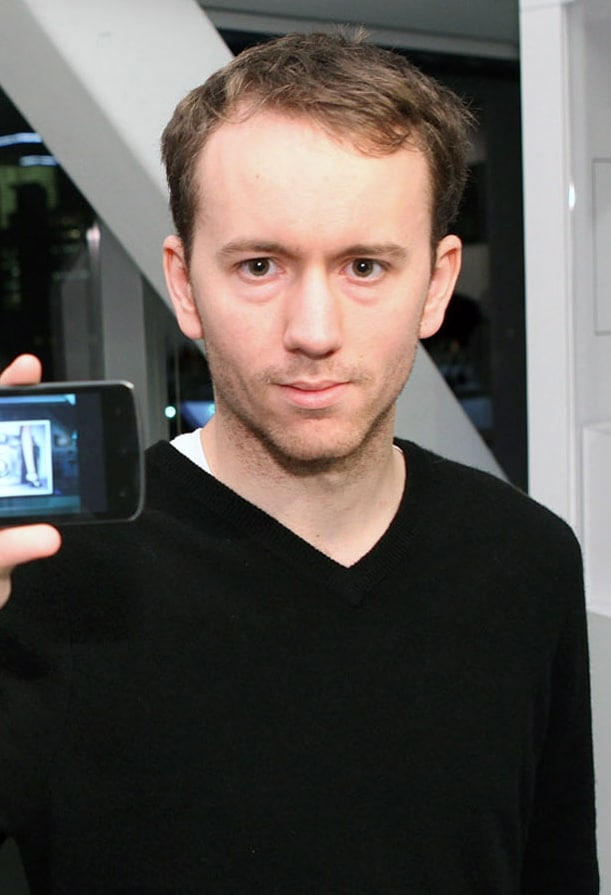
Tyler Shields is an American photographer and filmmaker known for highly staged, cinematic images that mix fashion, violence, luxury, and dark humor. Born in 1982, he built his career in Los Angeles, where he works with elaborate sets, stylists, props, and post-production polish to create photographs that feel closer to film stills than candid documentary images.
| Born | April 29, 1982 |
|---|---|
| Nationality | American |
| Base | Los Angeles, California |
| Field | Photography, filmmaking |
| Known for | Staged, cinematic, celebrity-driven imagery |
What kind of work does Tyler Shields make?
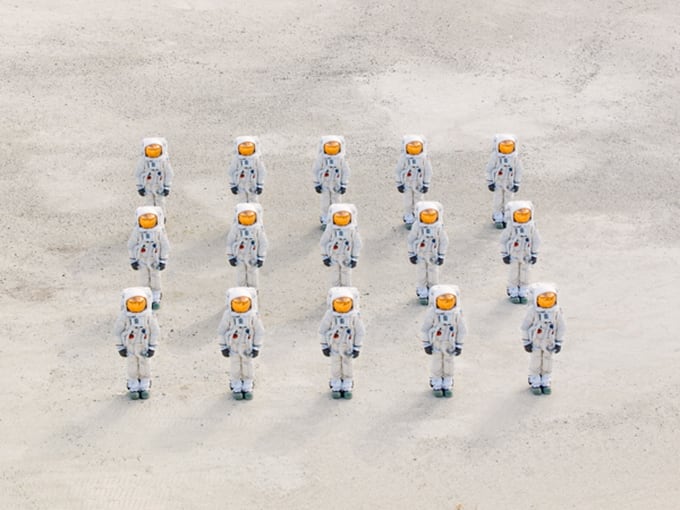
Shields makes images that are carefully constructed before the shutter clicks. The work often uses dramatic lighting, glossy surfaces, high contrast, and a controlled color palette to produce a punchy, hyperreal look. Rather than waiting for chance, he builds scenes around a single graphic idea: a wrecked dress, a blood-red stain, a luxury object pushed into chaos, or a model posed like a character in a thriller.
That approach places him between fashion photography, performance, and conceptual art. The materials around his images matter as much as the final print: wardrobe, makeup, smoke, fake blood, mirrors, cars, glass, and props all become part of the composition. His pictures are designed to read instantly, with an emphasis on spectacle and a finish that can survive both gallery display and magazine reproduction.
How did he become known?
Shields emerged during the era when celebrity portraiture, fashion editorial work, and internet sharing began to overlap more aggressively. His photographs circulated widely because they were built to provoke a fast reaction: they were easy to recognize, easy to reproduce, and often discussed for their risk-taking or shock value. Working in Los Angeles helped shape that profile, since the city’s mix of entertainment, fashion, and commercial image-making rewards bold visual hooks.
He also became known for using famous subjects and for treating the photograph as an event. In that sense, the image is only part of the work; the making of it, the staging, and the public response all feed the final meaning. That strategy fits a media environment where a picture is judged not only by craft, but by how quickly it travels.
Why does Tyler Shields matter?
Shields matters because he shows how contemporary photography can borrow from cinema, advertising, and performance art without fully belonging to any one of them. His work is useful as an example of how a photographer can create a signature style through production design as much as through framing or timing. The image becomes an engineered object, assembled from lighting, costume, set dressing, and editing decisions.
He also represents a strain of contemporary image culture that prizes impact. In his hands, photography is not presented as neutral observation. It is a constructed surface built to announce itself quickly, often with glamour interrupted by damage, and with polish cut by some form of menace or absurdity. That tension is central to his appeal.
What does his process look like in practice?
A Tyler Shields shoot usually starts with a compact visual premise and then expands through preproduction. Locations are chosen for their texture or symbolic value, and the set is dressed to support a single dramatic effect. Because the work depends on precision, details such as fabric choice, makeup, smoke density, reflective material, and the placement of props all affect the final image.
The result is often retouched and calibrated to preserve the hard-edged look. This is not accidental roughness; it is controlled excess. The finished photograph keeps the seams hidden so that the viewer reads the image as an instant of high drama, even when the scene required careful planning, multiple assistants, and extensive technical control.
Frequently Asked Questions
Is Tyler Shields mainly a fashion photographer?
Fashion is one part of his practice, but not the whole thing. His images borrow fashion styling and editorial polish, then push those tools into a more theatrical and sometimes confrontational register. The result sits between fashion, portraiture, and conceptual staging.
Why are his photographs often described as cinematic?
They use the visual language of film: dramatic lighting, character-based posing, implied narrative, and a strong sense of scene. Many pictures feel like a frame pulled from a larger story that never gets fully explained. That cinematic quality comes from production design as much as from camera work.
What should be noticed first in one of his images?
Start with the staging: the props, wardrobe, gesture, and lighting usually carry the meaning before any deeper reading begins. Shields builds images that communicate quickly at the level of surface and texture. The photograph often works by turning a single visual idea into a tightly managed spectacle.
Articles mentioning Tyler Shields