
V Magazine is an American fashion and culture magazine founded by Stephen Gan in 1999, known for mixing high fashion with music, film, art, and celebrity portraiture. It built its reputation on large-format photography, strong styling, and cover stories that treat the magazine as a visual event rather than a quiet record of trends.
Stories from V (American magazine)
7 stories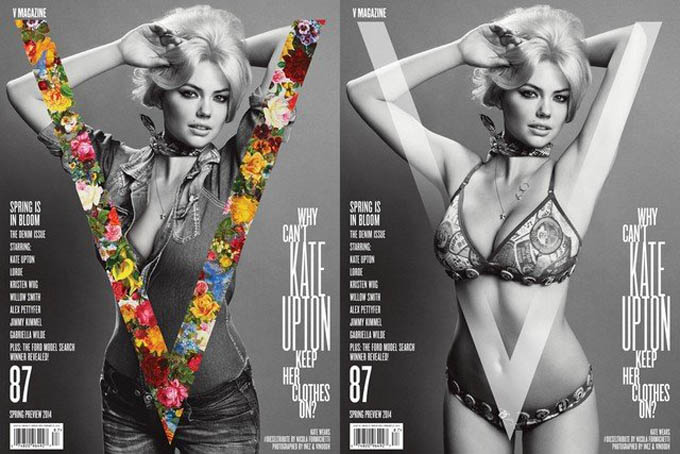

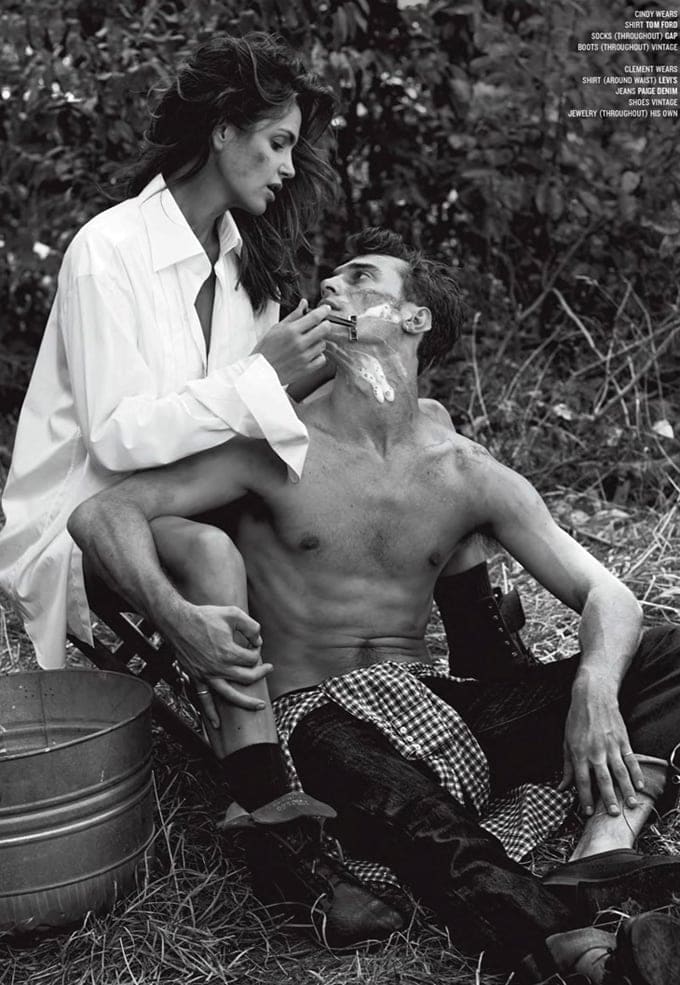


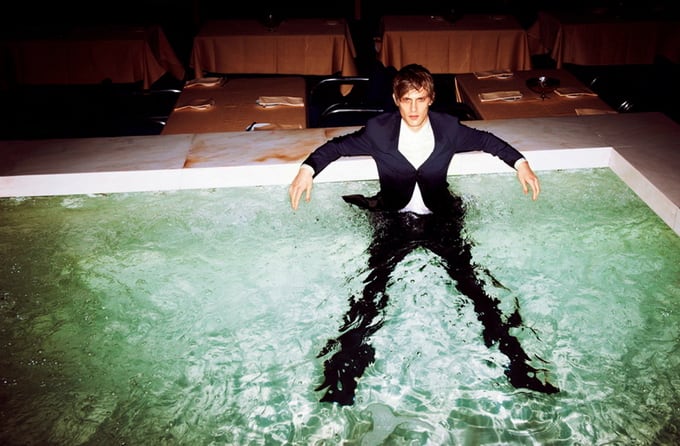
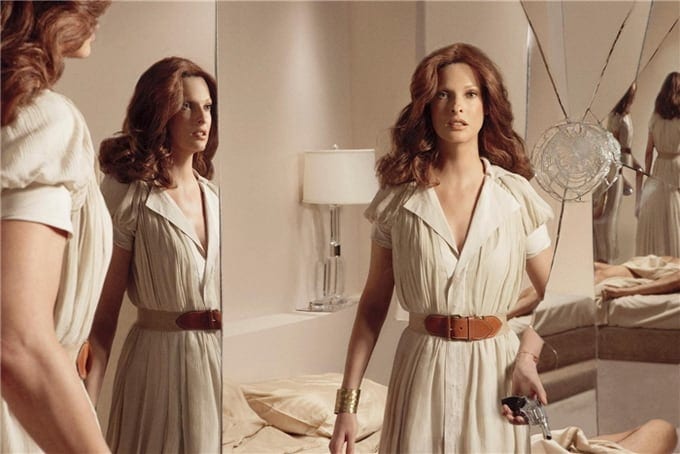
About V (American magazine)
- Founded in 1999 by Stephen Gan.
- Focuses on fashion, celebrity, music, film, and art.
- Known for bold editorial photography and oversized layouts.
- Often uses well-known models and performers, but also introduces emerging talent.
- Expanded from print into a broader multimedia brand.
Read the full overviewWhat made V different?, How is V made on the page?, Why does it matter in fashion culture?, Has V stayed print-only?
What made V different?
V entered a crowded field of fashion magazines by refusing to stay inside fashion alone. Its pages treated clothing as part of a larger visual culture that also includes performance, celebrity, music, and contemporary art. That approach gave the magazine a broader audience than a strict trade title and made its features feel closer to cultural production than product coverage.
The magazine’s tone is confident and often theatrical. Its editorials usually rely on dramatic lighting, stylised makeup, and sharply controlled art direction. Rather than presenting garments in a neutral way, V often uses fashion as a vehicle for character, mood, or fantasy.
How is V made on the page?
V is recognisable by its scale and its trust in image-making. Full-page and multi-page photography dominates, while text usually supports the visual concept instead of leading it. Cover shoots and fashion stories often use experimental styling, elaborate sets, or ironic framing to push a familiar subject into something more arresting.
That format gives photographers, stylists, and art directors room to build a clear point of view. Many of the magazine’s memorable issues depend on the chemistry between a strong subject and a strong visual concept. A model can be presented as a pop icon, a performer as a fashion figure, or a celebrity as a constructed image, which is part of the magazine’s appeal.
Why does it matter in fashion culture?
V mattered because it helped define a style of fashion publishing that is not only about clothes, but about cultural status. The magazine connected glossy editorial fashion with the wider machinery of fame, making its pages useful to image-makers who wanted fashion to feel current, cinematic, and tied to other creative industries. For many photographers and stylists, publication in V meant access to a highly visible platform with a clear aesthetic identity.
Its influence shows up in the way it framed celebrities and models as editorial material rather than just subjects for publicity. The magazine made room for striking, sometimes provocative interpretations that could shape how an audience saw a person, a look, or an entire season. That visual ambition helped V keep a distinct place among American fashion magazines.
Has V stayed print-only?
No. Like many magazines of its era, V expanded beyond the printed page into digital and multimedia formats. That shift changed how the brand circulates image and fashion content, but the core identity remains tied to the same strengths: striking visuals, recognizable subjects, and a polished, high-impact presentation.
In practice, that means the magazine operates as both a publication and a platform. The print issue still matters as a designed object, but the brand also lives through online editorial releases, social distribution, and cross-platform cultural coverage. The result is a magazine that behaves like a media brand while still relying on the aesthetics of luxury print.
Frequently Asked Questions
Is V Magazine the same as a fashion trade magazine?
No. V is a fashion magazine, but it is aimed at a broader cultural readership than a trade title. It mixes fashion with celebrity, music, film, and art, so its editorial range is wider than a publication focused only on industry news.
Who founded V Magazine?
Stephen Gan founded V Magazine in 1999. His editorial direction gave the magazine its signature blend of fashion gloss and pop-cultural edge. That founding vision still shapes how the publication is understood.
Why is V often used for high-profile portrait shoots?
Because the magazine is built around bold visual presentation and strong art direction. It gives photographers and stylists space to create images that feel more like editorial statements than simple portraits. That makes it a natural venue for fashion-led celebrity features and concept-driven shoots.