
Yves Saint Laurent was a French fashion designer who helped redefine modern womenswear by borrowing from menswear, refining couture technique, and treating ready-to-wear as a serious design field. Active from the late 1950s through the 2000s, he made clothes that were sharp, disciplined, and often startlingly simple on the surface. His work mattered because it shifted fashion away from pure decoration and toward silhouette, structure, and the authority of the tailored garment.
Stories from Yves Saint Laurent (designer)
13 stories




About Yves Saint Laurent (designer)
- He introduced menswear shapes into womenswear, especially the tuxedo jacket, trouser suit, and tailored smoking jacket.
- He helped make ready-to-wear culturally prestigious, not just a cheaper version of couture.
- His clothes often relied on exact cutting, clean lines, and careful balancing of volume and surface.
- He drew heavily on art, literature, and travel, turning fashion collections into cultural statements.
- His influence runs through modern photography, styling, and the way luxury brands present power dressing.
Read the full overviewWhy did Yves Saint Laurent matter?, How did he change women’s clothes?, What did his clothes look like in practice?, How did he shape fashion culture?
Why did Yves Saint Laurent matter?
Saint Laurent mattered because he understood that fashion could change how women moved through public life. His tailoring did more than quote men’s clothing; it gave women a new visual language of authority, ease, and erotic precision. The tuxedo suit, safari jacket, trench, and trouser ensemble became icons because they looked practical without losing formality.
He also helped break the old hierarchy that placed couture above all else. By treating ready-to-wear as a legitimate design arena, he widened the audience for high fashion and changed how luxury houses could operate. That shift still shapes contemporary fashion, where runway ideas are often built to travel into mass production, editorial styling, and brand identity.
How did he change women’s clothes?
Saint Laurent’s most famous innovation was the use of menswear codes in women’s wardrobes. He did not simply shrink men’s garments; he re-cut them for the body, balancing shoulder, waist, and trouser line so the result looked exact rather than borrowed. The tuxedo suit, called Le Smoking, became the clearest example: austere, androgynous, and formally elegant, yet charged with a new kind of glamour.
He also made trousers a central part of fashionable dress rather than a novelty. In his hands, trousers could be evening wear, city wear, or a sign of modern independence. His collections often paired tailoring with sheer blouses, bold color, or jewelry, creating tension between control and sensuality. That balance became one of his signature effects.
What did his clothes look like in practice?
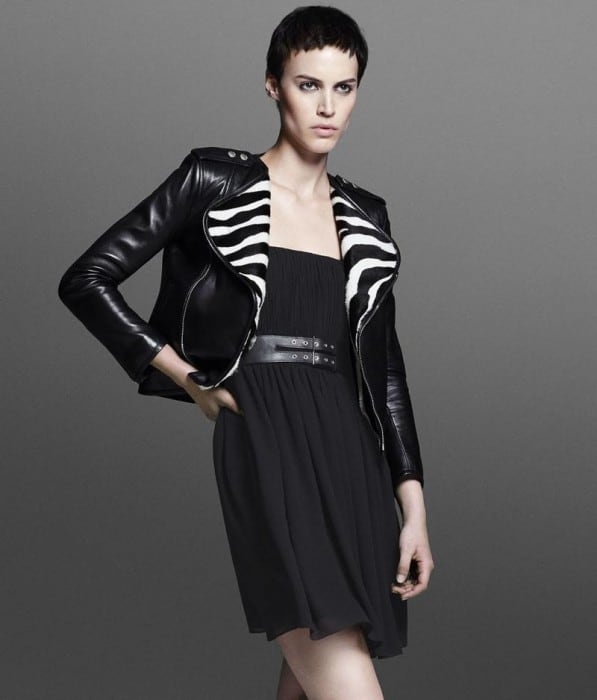
Saint Laurent’s work is often described as clean, but that simplicity was built through exact construction. Jackets sat close to the body while preserving a firm shoulder line; dresses and coats were cut to fall in controlled, graphic planes; color appeared in strong blocks rather than scattered accents. He liked black, white, navy, camel, gold, and saturated jewel tones, all of which let shape carry the design.
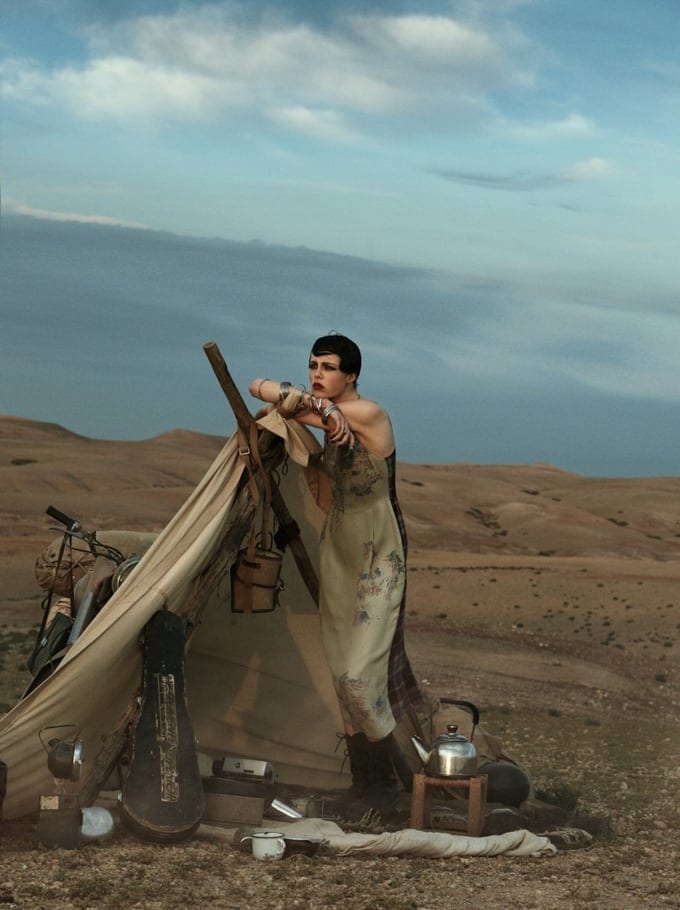
He also used references from outside European tailoring, especially from North Africa and Morocco, where he spent time and drew visual inspiration. Caftans, embroidery, smoking jackets, safari silhouettes, and rich decorative surfaces entered his collections as living forms, not costume. In practice, his fashion mixed restraint and ornament: one look might be severe in line and lavish in fabric, while another might be simple in construction but exact in proportion.
How did he shape fashion culture?
Saint Laurent worked at the level of image as much as garment. He understood that photography, magazines, and celebrity wear would carry fashion into public memory, and he built collections that reproduced well in print. That made him important to editorial culture, where his clothes often read as icons before they became products.
He also helped define the modern designer as an author with a point of view. Rather than following seasonal novelty alone, he built a recognizable vocabulary: tailoring, modern femininity, art reference, and controlled glamour. Later designers, stylists, and photographers keep returning to that vocabulary because it offers a clear model for fashion that is both commercial and intellectually shaped.
Frequently Asked Questions
Was Yves Saint Laurent a couture designer or a ready-to-wear designer?
He was both. Saint Laurent began in couture, where he learned the technical discipline of hand-finished garments and controlled fit. He also helped give ready-to-wear prestige by showing that it could carry the same design intelligence and cultural force as couture.
What is Le Smoking?
Le Smoking is Saint Laurent’s female tuxedo suit, introduced in the 1960s. It translated formal evening menswear into a woman’s garment with sharp tailoring, a narrow waist, and a strong silhouette. It remains one of the most cited examples of fashion using cut to challenge social codes.
Why is Saint Laurent often linked to black-and-white fashion imagery?
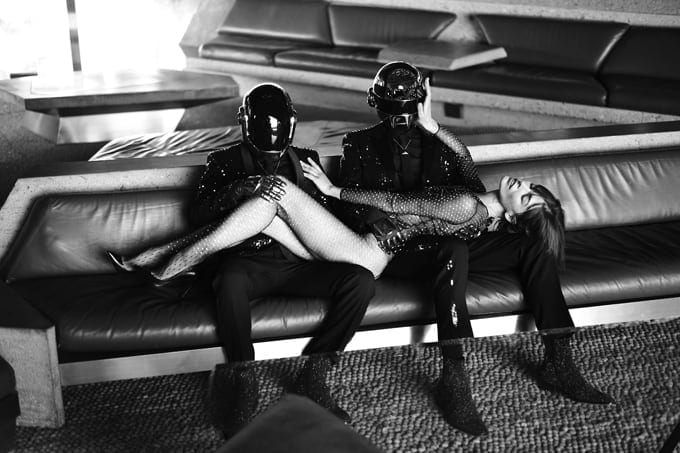
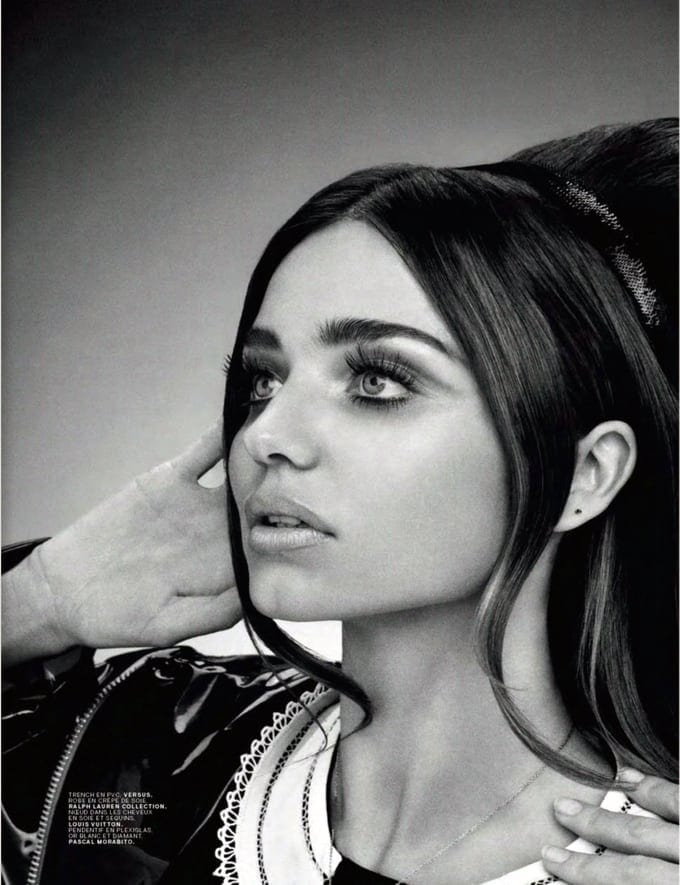
His clothes photographed well because they depended on line, contrast, and silhouette. Black-and-white photography often sharpens those qualities, making the tailoring and proportion read more clearly. As a result, his designs became especially powerful in editorial images, where the garment’s structure could dominate the page.