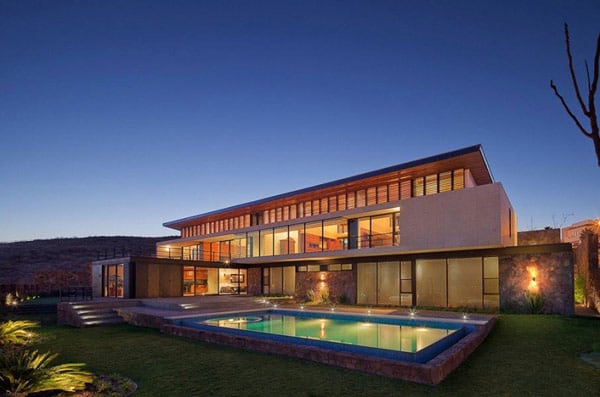
Chihuahua is a state in northwestern Mexico, officially the Free and Sovereign State of Chihuahua, with its capital in Chihuahua city. It is the country’s largest state by area and stretches from the Sierra Madre Occidental to the Chihuahuan Desert and the long border with the United States. Its scale, climate, and border position have shaped a landscape of ranching, mining, forestry, trade, and dispersed urban centers.
- One of Mexico’s 32 federal entities, with constitutional autonomy in domestic affairs.
- Capital: Chihuahua; major city and industrial hub: Ciudad Juárez.
- Landscape ranges from high mountains and pine forests to dry basins and desert flats.
- Known for border crossings, rail and road corridors, and export manufacturing.
- Public space design often responds to heat, sun, dust, and large open distances.
Where is Chihuahua and what does it look like?
Chihuahua occupies a broad section of northern Mexico. It shares a long border with Texas and New Mexico, and within Mexico it meets Sonora, Sinaloa, Durango, and Coahuila. That geography matters: the state includes the rugged Sierra Tarahumara in the west, deep canyons cut by rivers, and low, dry plains toward the north and east.
The visual character of the state shifts quickly. Mountain towns can feel cool and forested, while the desert around Ciudad Juárez and the central plateau reads as open, bright, and sparse. In built form, this often means thick walls, shaded courtyards, hard-wearing finishes, and public spaces that use trees, canopies, and concrete to give relief from sun and wind.
Why does Chihuahua matter in Mexico?
Chihuahua matters because of its size, location, and economic role. It has long been a route for movement between the interior of Mexico and the U.S. border, and that has made it important for commerce, migration, and manufacturing. Ciudad Juárez in particular is a major industrial city tied to maquiladora production, logistics, and cross-border trade.
The state also carries historical weight. It was a key setting in the Mexican Revolution, and its countryside and border towns have remained central to national narratives about land, labor, and frontier life. At the same time, Indigenous communities such as the Rarámuri have preserved distinct cultural and material traditions in the Sierra Tarahumara, influencing local knowledge of building, craft, and landscape use.
What does architecture in Chihuahua respond to?
Architecture in Chihuahua has to answer severe climate conditions. Summer heat, strong sunlight, dust, and wide temperature swings encourage compact planning, shade structures, deep overhangs, and materials that age well under dry conditions. Concrete, brick, stone, and metal are common because they are durable and can be shaped for simple, robust assemblies.
Public projects often make the climate visible rather than hiding it. A plaza, park, or pavilion in Chihuahua may use a limited material palette, with textured concrete, plywood, steel, or gravel set against native planting and sparse tree cover. These projects tend to work with large open ground, controlled shadows, and clear circulation, because comfort in this environment depends on managing exposure as much as providing shelter.
How has the state shaped cultural production?
Chihuahua’s border position and large territory have made it a place of exchange rather than isolation. Designers, builders, and artists working there often balance local materials with imported systems, especially in the north where industrial production and transnational supply chains are close at hand. That mix can produce work that is practical, direct, and economical, but also attentive to identity and place.
In visual culture, Chihuahua is often represented through extremes: desert and mountain, frontier and city, scarcity and infrastructure. Those contrasts show up in photography, architecture, and exhibition design. A project in Chihuahua may be less about ornament than about how to carve usable space out of heat, dust, and distance.
Frequently Asked Questions
Is Chihuahua a city or a state?
Both names refer to different things. Chihuahua is a Mexican state, and Chihuahua city is its capital. The city and state share the same name, which often causes confusion in English-language references.
What is Chihuahua best known for?
It is known for its border economy, desert landscapes, and the Sierra Tarahumara. Ciudad Juárez, one of its largest cities, is closely tied to manufacturing and cross-border trade. The state is also associated with Revolutionary-era history and with the culture of Indigenous communities in the mountains.
Why is Chihuahua relevant to architecture and design?
Its climate and terrain force design to be practical. Buildings and public spaces need shade, resilience, and materials suited to dry heat and strong sun. That pressure often produces straightforward forms, tough surfaces, and landscape design that works with native conditions rather than against them.
At a glance
- Coordinates
- 28.814167, -106.439445
Articles mentioning Chihuahua (state)