
Dazed is a British youth culture and fashion magazine founded in 1991, known for mixing high-fashion editorial, music coverage, art, photography, and subcultural reporting. It began as Dazed & Confused and later shortened its name to Dazed, becoming one of the most visible print and digital publications for experimental image-making and new creative talent.
Stories from Dazed
16 stories


About Dazed
- Founded: 1991
- Origin: London, United Kingdom
- Former name: Dazed & Confused
- Focus: Fashion, youth culture, music, art, and visual culture
- Known for: Boundary-pushing editorial photography and art direction
Read the full overviewHow Dazed began, What made it influential?, What does Dazed look like in practice?, Why does it still matter?
How Dazed began
Dazed started as a black-and-white music and style magazine created by Jefferson Hack and photographer Rankin. Its early issues treated fashion less as a retail category than as a visual language tied to club culture, underground music, and London street life. That approach gave the magazine an edge at a moment when many fashion titles still relied on polished studio imagery and a narrow idea of glamour.
The original title, Dazed & Confused, signaled that attitude. The magazine’s early identity depended on raw photography, loose styling, and subjects drawn from outside the usual fashion circuit. It helped define a generation of editorial work that valued mood, personality, and cultural context as much as clothing.
What made it influential?
Dazed mattered because it treated the magazine page as a site for experimentation. Photographers, stylists, illustrators, and art directors used it to test new formats, unusual casting, and layered references from music, film, and contemporary art. Its pages often combined glossy fashion production with a rougher, more immediate feel, which made the work look modern without becoming generic.
The publication also helped launch and amplify creative careers. Designers and image-makers associated with Dazed often moved between editorial, advertising, and art-world work, carrying its visual habits with them. For that reason, the magazine became a reference point not only for readers but for people working in image production.
What does Dazed look like in practice?
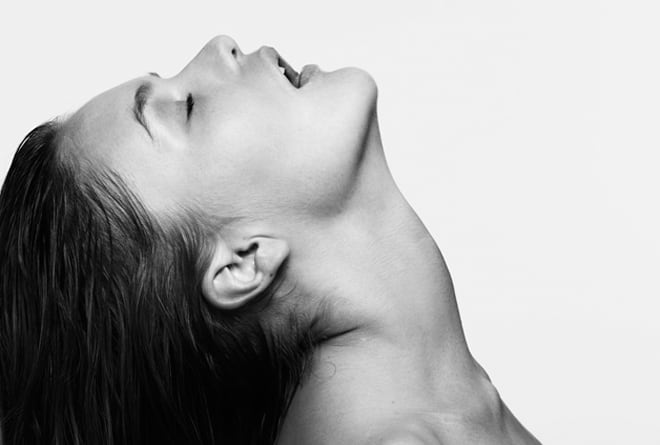
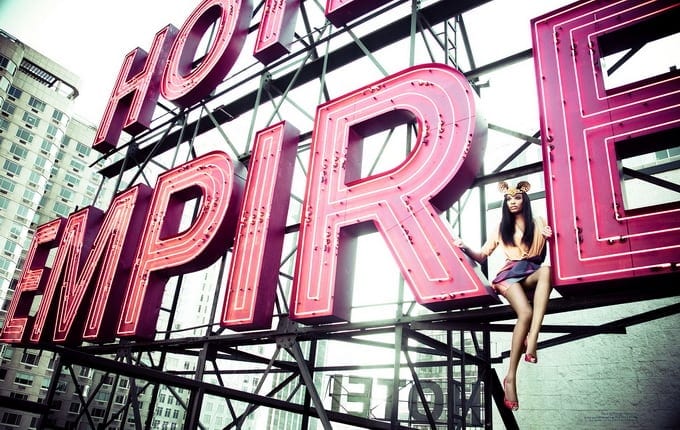
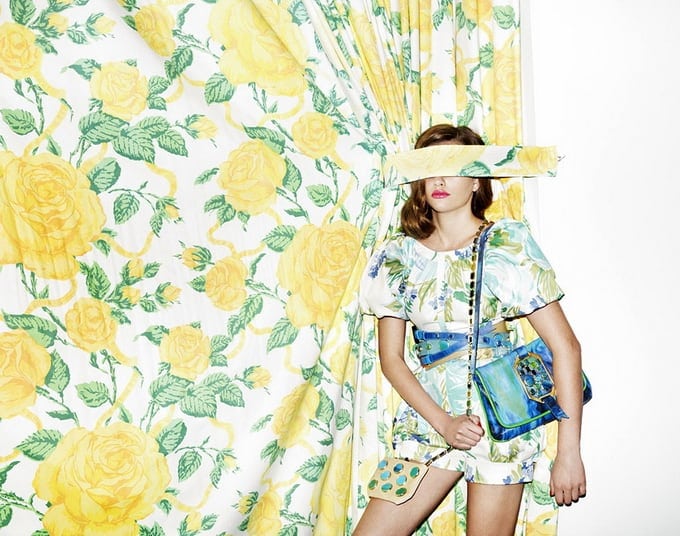
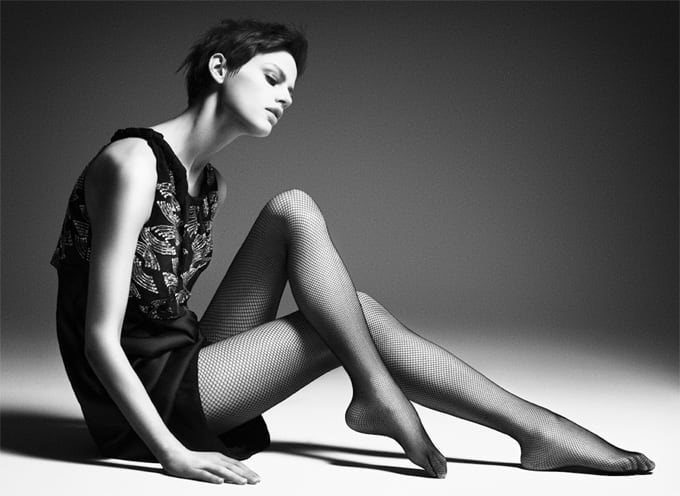
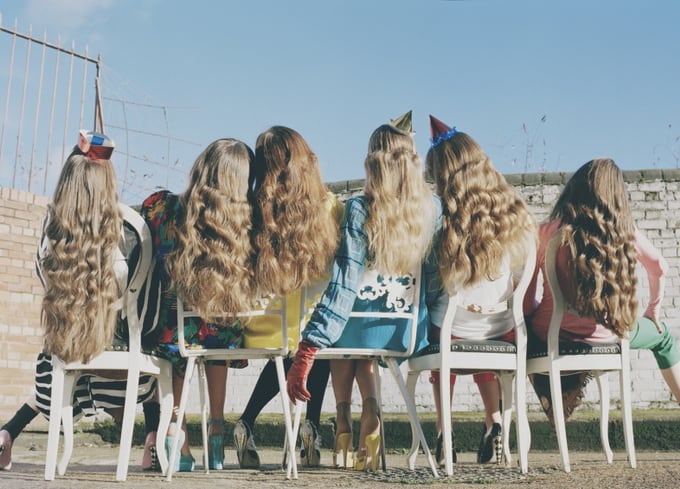
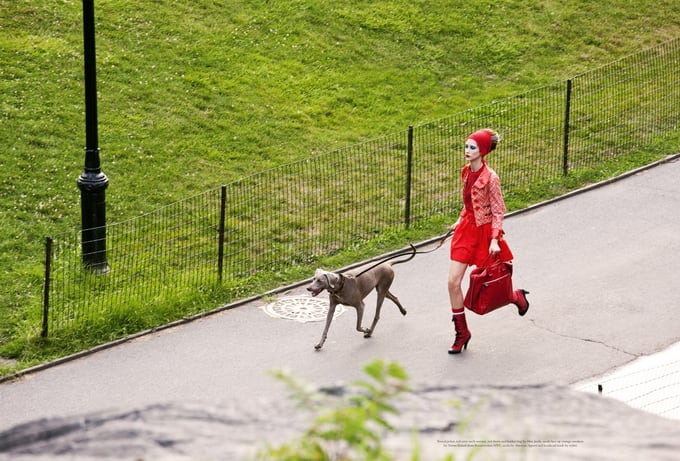
In practice, Dazed issues and digital features often pair strong styling with expressive photography, unconventional casting, and layouts that leave room for text, collage, or graphic disruption. A shoot might place luxury clothing in a gritty urban setting, or use high-contrast lighting, archive references, and awkward poses to unsettle the normal language of fashion promotion.
The magazine’s editorial tone usually moves between the polished and the offbeat. A profile of a musician may sit beside a fashion story or art piece, with each section helping build a wider picture of how style circulates through culture. That mix of subjects makes Dazed especially useful for tracing how fashion image-making connects to music photography, youth scenes, and subcultural style.
Why does it still matter?
Dazed remains important because it sits at the point where printed magazines, online publishing, and creative direction meet. It has adapted to digital publishing without abandoning the visual ambition that made it distinctive in print. Its output still carries weight in fashion culture because it continues to commission photographers and artists who work outside routine commercial formulas.
For readers and makers, Dazed offers a record of how editorial style can shape taste. It shows how a magazine can influence not only what people wear, but how clothing is photographed, cropped, styled, and understood. That makes it more than a title in the media landscape: it is a long-running design and image platform with real impact on visual culture.
Frequently Asked Questions
Is Dazed a fashion magazine or a culture magazine?
It is both. Fashion provides much of its visual identity, but its editorial scope also includes music, art, film, and broader youth culture. That combination is central to its identity rather than a later addition.
Why did Dazed & Confused change its name?
The magazine shortened its name to Dazed as it matured and expanded beyond its original music-magazine roots. The new name was cleaner and more flexible for a publication that had become broader in subject matter and more international in reach.
What is Dazed known for visually?
Dazed is known for adventurous fashion photography, striking art direction, and a willingness to use unusual models, locations, and styling. Its visual work often blends polish with disruption, which gives it a distinct place in editorial design history.