Connecting art with the viewer’s world
The Metropolitan Museum of Art’s latest publication, Points of View: 100 Connections to Art, is a captivating exploration of its vast collection. Edited by The Met‘s CEO, Max Hollein, the book compiles insightful essays from the museum’s diverse staff, focusing on artworks across five themes: “Relationships,” “Self,” “Politics,” “Spirituality,” and “Environment.”

An exploration of human connections
Opening with “Relationships,” the book delves into artworks like Greek funerary vessels and Renaissance portraits. Joan Mitchell’s piece “La Vie en Rose” and its connection to Fleetwood Mac’s “Silver Springs” illustrates unexpected links between art and music. Laura Corey noted the personal nature of these insights, reflecting on the multifaceted roles objects play in our lives, both past and present.
Explore further into unique artistic perspectives with Maskull Lasserre’s piano art which reimagines musical instruments as creative canvases.
Diverse interpretations and themes
In “Self,” Chris Alessandrini analyzes Leonora Carrington’s “Self-Portrait,” presenting her as both regal and plain. The “Politics” section reveals power dynamics in works like an Incan tunic, while “Spirituality” examines divine representation, such as a 14th-century Chinese incense box. The final chapter, “Environment,” considers humanity’s ties to nature.

Interdisciplinary insights

The contributors to Points of View often cross their areas of expertise, generating fresh perspectives. For example, European painting curators reflect on Mesopotamian sculptures, and Islamic art researchers examine German–Austrian busts. Laura Corey revisits “Portrait of a German Officer” by Marsden Hartley, viewing it as a message of queer love.

Timeless and varied works
The book covers a range of works, from the iconic “Temple of Dendur” to Isamu Noguchi’s “Radio Nurse.” Essays illuminate diverse pieces like “[May Day Parade]” and “The Lovers.” Andrea Myers Achi highlights Tavares Strachan’s “ENOCH” as an exploration of memory and absence, connecting it to Ancient Egyptian sculpture.
For an insightful look at art’s connection to the natural world, see Debra Bernier’s driftwood sculptures that echo themes of environmental ties.
Through essays that offer new perspectives, the publication encourages readers to find their own connections within these timeless works, fostering a deeper understanding of the past and present.
Sources & Links
Source: hyperallergic.com
Frequently asked questions
What themes does the book “Points of View” cover?
The book covers five themes: ‘Relationships,’ ‘Self,’ ‘Politics,’ ‘Spirituality,’ and ‘Environment.’
Who is the editor of “Points of View”?
The editor of “Points of View” is The Met’s CEO, Max Hollein.
What unique perspective is offered on Marsden Hartley’s work?
Laura Corey revisits ‘Portrait of a German Officer’ by Marsden Hartley, viewing it as a message of queer love.
More in
Art
All Art


More like this

VSCO's Bold Initiative Transforms 25 Local Photographers into Billboard Icons Nationwide

Polynesian Turtle Tatau Transforms 2026 FIBA Logo with Cultural Flair and Challenges

Unlocking the Art of Bird Illustration: Elizabeth Gould's Groundbreaking Work
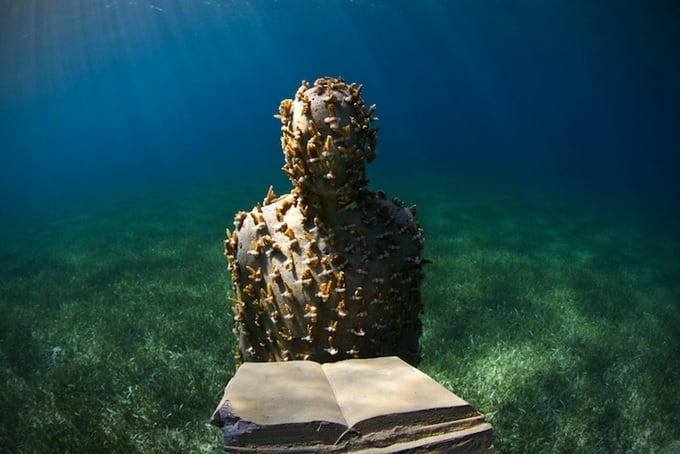
Museum of underwater sculptures "MUSA"

Faig Ahmed Transforms Traditional Azerbaijani Carpets into Mesmerizing 3D Installations