


Combining innovation with elegant design
The collaboration between Polybion and Natural Urbano unveils Cenit, a captivating collection of lighting objects that blend cutting-edge biotechnology with sleek contemporary design. These pieces feature a unique combination of natural ash, stainless steel, and Celium™ Manto, Polybion’s premium cultivated cellulose. The translucent material casts a warm, atmospheric glow, drawing inspiration from golden horizons and 1970s linear artistry.


A groundbreaking collaboration
Cenit represents the first venture between the biotechnology company Polybion and the design studio Natural Urbano, merging wood, stainless steel, and Celium™ Manto into sophisticated lighting pieces. The lights consist of a layered structure of natural ash, composed of finely pressed sheets that secure the Celium™ Manto shade, ensuring stability while showcasing the material’s unique characteristics.

This cultivated cellulose material is derived from a biological process involving bacteria fed with agro-industrial fruit waste, which allows each sheet to exhibit subtle variations in tone and texture. These variations enhance the visual and atmospheric aura of the lamps, making each piece distinct.

Design versatility: from pendant to table formats
The Cenit collection extends its material exploration into both pendant and table lamp formats, allowing flexible adaptation of Celium™ to different scales and environments. The pendant lamps feature a horizontal design reminiscent of a suspended horizon, while the table lamps transform this layered aesthetic into a compact format.

Each table lamp comes in two options: Celium™ Manto with its translucent, light-filtering surface, and Celium™ Keros / Espumante for a more textured appearance. These lamps are produced to order, ensuring exclusivity and attention to detail, with an estimated delivery time of five weeks.


Evolving lighting design with natural materials
Through Cenit, the partnership explores how cultivated materials can redefine lighting in contemporary interiors. The thin layers of natural ash and the meticulously cultivated cellulose contribute to a clean, modern aesthetic while celebrating the uniqueness of each material.
For more insights on innovative eco-materials, check out how Italian designs use eroded travertine for distinctive furniture creations.

Furthering Polybion and Natural Urbano’s commitment to innovative material exploration, Cenit stands as a testament to sustainable design and imaginative use of eco-friendly materials. It reimagines the role of cultivated cellulose in creating light-filled, atmospheric spaces.

Discover more about the intersection of art and natural elements in Chris Oh’s latest exhibition that merges artistic vision with ecological awareness.

This layered construction not only enhances the tactile and visual appeal of the lamps but also places cultivated cellulose at the forefront of modern lighting solutions. The project’s development illustrates the potential of biological cultivation to produce subtle variations that enrich the final products.


Project insights
Developed by design teams Lorena Márquez and Sebastián Beltrán from Natural Urbano, and Axel Gómez-Ortigoza and Alexis Gómez-Ortigoza from Polybion, Cenit embodies a harmonious blend of design expertise and material innovation.

Sources & Links
Source: designboom.com
Frequently asked questions
What materials are used in the Cenit lighting collection?
The Cenit lighting collection uses a combination of natural ash, stainless steel, and Celium™ Manto, Polybion’s premium cultivated cellulose.
How is the cultivated cellulose in Cenit made?
The cultivated cellulose in Cenit is derived from a biological process involving bacteria fed with agro-industrial fruit waste.
What are the design options for Cenit lamps?
The Cenit collection includes both pendant and table lamp formats, with options for a translucent Celium™ Manto surface or a textured Celium™ Keros / Espumante surface.
More in
Design
All Design


More like this

The Brickle: A Luxurious LEGO Storage Solution Crafted by Welsh Brothers

Revolutionary Cordless Lamp Redefines Lighting with Magnetic Precision and All-Day Battery

Brooklyn's Million Goods Blends Bold Design with Functional Elegance by Gjergji Shkurti

Jaguar Type 01's Striking Interior Redefines Luxury with Bold Central Spine and Travertine Tones
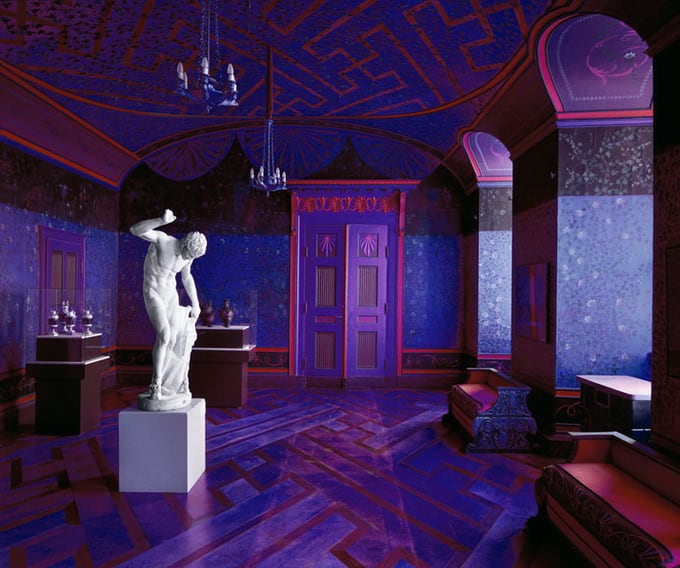
Interior Photographer Massimo Listri
