BuzzFeed is a digital media company that built its name on shareable lists, quizzes, social news, and fast-turnaround reporting shaped for the mechanics of the web. It began in 2006 as an experiment in tracking what spread online, then grew into a major publisher with a newsroom, branded content studio, and a strong visual style built around compact, highly skimmable formats.
- Founded in 2006 by Jonah Peretti as a site that tracked viral content
- Grew from a content-detection tool into a full editorial and advertising publisher
- Known for lists, quizzes, charts, explainers, and image-led social posts
- Helped define early social-media publishing and native advertising
- Later expanded into news, entertainment, commerce, and digital branding work
How did BuzzFeed start?
BuzzFeed began with a simple question: what is spreading across the internet right now? Jonah Peretti, who had already helped found The Huffington Post, launched the company to track viral links and surface them through a mixture of software and editorial judgment. That hybrid model mattered. It treated the feed itself as a cultural object, something that could be observed, measured, and then packaged for readers at speed.
The site quickly moved beyond pure aggregation. Editors began commissioning original posts designed to travel well on social platforms, and the company developed a newsroom that could produce both playful and serious work. The result was a media brand that treated internet-native form as a core identity rather than a delivery channel.
What made BuzzFeed recognizable?
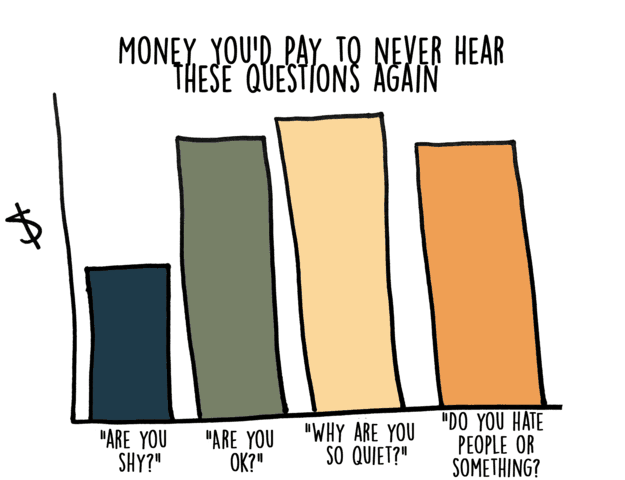
BuzzFeed’s visual language relied on brevity, repetition, and strong formatting. Lists with numbered headings, reaction images, GIFs, embedded social posts, and short paragraphs made content easy to scan and easy to share. Quizzes became one of its best-known formats, turning personal identity into clickable participation. Charts, explainers, and caption-heavy image posts extended the same logic into more informative territory.
That style was not just a matter of taste. It was a publishing method suited to social platforms, especially Facebook in the 2010s, where quick hooks and highly legible layouts performed well. BuzzFeed’s pages often looked informal and lightweight, but they were built from careful editorial choices about pacing, typography, image selection, and what could be understood in a glance.
Why did BuzzFeed matter to digital publishing?
BuzzFeed helped define the economics and aesthetics of platform-era media. It showed that traffic could be built from content tailored to sharing behavior, and that a newsroom could sit alongside entertainment, commerce, and branded content under one roof. Many publishers borrowed its headline formulas, image-first layouts, and data-driven approach to audience growth.
It also became a reference point in debates about editorial independence and advertising. BuzzFeed’s branded content studio, BuzzFeed Motion Pictures, and its sponsored posts drew attention because they blurred the line between journalism and marketing while keeping the formats visually consistent. That tension became one of the defining questions of digital media in the 2010s.
What does BuzzFeed do now?
BuzzFeed has shifted repeatedly as platform traffic changed and the online advertising market tightened. Its editorial identity broadened beyond viral list culture into news, politics, lifestyle, and entertainment, while its commercial work continued to evolve around social-first storytelling. Like many digital publishers, it has had to adjust as algorithmic distribution moved away from the web pages that first made it successful.
Even with those changes, BuzzFeed remains closely associated with a particular style of internet publishing: visual, compressed, informal, and engineered for circulation. Its influence is visible in how many publications now think about headline writing, audience testing, and format design.
Frequently Asked Questions
Is BuzzFeed a news organization or an entertainment site?
It is both, though the balance has changed over time. BuzzFeed started with viral entertainment formats, then added a newsroom that produced reporting and analysis. Its identity has always been mixed, which is part of why it became so influential.
Why were BuzzFeed lists and quizzes so successful?
They matched the way people shared content on social media. Lists were easy to scan, while quizzes invited participation and self-description, which encouraged people to pass them along. Both formats turned reading into a lightweight social action.
What is BuzzFeed’s legacy in visual culture?
BuzzFeed normalized a style of publishing built from modular, image-heavy units that could be read quickly on phones and shared through platforms. It influenced headlines, social graphics, and the design of many digital stories. Its broader legacy is the idea that format itself can drive editorial identity.
At a glance
- Founded
- 2006
- Address
- New York City, United States
Articles mentioning BuzzFeed