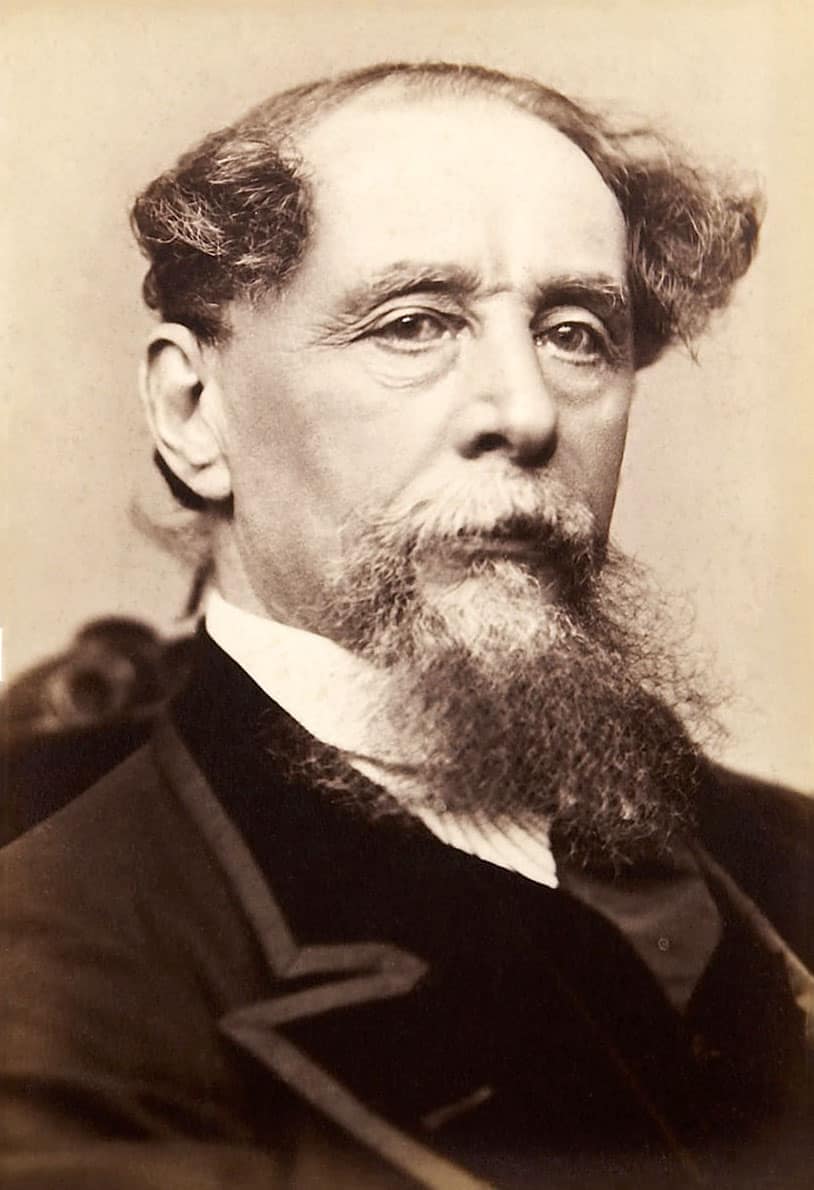
Charles Dickens was an English novelist, journalist, and social critic whose books shaped the look and feel of Victorian popular culture. He wrote serialized fiction for mass audiences, built unforgettable characters, and exposed the harsh conditions of industrial England in novels that still circulate widely. His work matters not only for literature but for how it shows printing, illustration, performance, and class life in nineteenth-century Britain.
| Field | Detail |
|---|---|
| Full name | Charles John Huffam Dickens |
| Born | 1812, Portsmouth, England |
| Died | 1870, London, England |
| Known for | Serialized novels, short fiction, social criticism |
| Major works | Oliver Twist, David Copperfield, A Christmas Carol, Bleak House, Great Expectations |
What made Dickens different?
Dickens wrote for a broad reading public, not a small elite. His novels appeared in monthly or weekly installments, which meant he had to keep readers returning with vivid scenes, cliffhangers, and sharply drawn figures. That serial form shaped the pacing of his stories and gave him room to respond to public reaction as the narrative unfolded.
He also wrote with an unusual eye for the material world. Offices, factory districts, debtors’ prisons, lodging houses, shops, and schools all appear in his books with practical detail. The fabric of Victorian life is not a backdrop in Dickens; it is part of the plot, often shown through cramped interiors, soot, fog, candlelight, and worn clothing.
How did he work?
Dickens began as a journalist and parliamentary reporter, and that training gave him a strong sense of scene, timing, and public language. He published under deadlines, revised constantly, and often performed readings of his own work later in life. Those public readings mattered: Dickens was one of the first major authors to become a celebrity through live performance as well as print.
Illustration was also central to how readers encountered his fiction. Many of his novels were issued with engraved images that helped fix the look of characters and settings in the public imagination. The partnership between text and image made his books part literary object, part visual culture.
Why does Dickens still matter?
Dickens helped define the modern social novel. He made bureaucracy, child labor, debt, corruption, and urban inequality vivid enough to enter public discussion, while still building stories that moved quickly and emotionally. Later writers borrowed his techniques for characterization, comic exaggeration, and city life; filmmakers and stage directors still adapt him because his plots are structurally clear and visually rich.
He also remains useful as a historical witness. His fiction does not document Victorian England neutrally, but it captures its pressures: industrial growth, class division, overcrowding, law, and the fragility of family life. For designers, illustrators, and filmmakers, Dickens offers a dense world of costume, interiors, signage, typography, and street atmosphere.
What does Dickens look like in practice?
In practice, Dickensian writing combines social observation with memorable surfaces. A room may be described through soot on windows, a fire that barely warms it, or a desk crowded with papers; a character is often built through speech, gesture, and clothing rather than abstract psychology. Names, too, carry weight: they can sound comic, harsh, pompous, or slyly symbolic.
The style is energetic and theatrical. Dickens often uses exaggerated contrasts, sudden shifts in tone, and scenes designed to be read aloud. That is part of why adaptations of his work frequently emphasize costume, props, and set design: the prose already behaves like a staged environment.
Frequently Asked Questions
Was Charles Dickens only a novelist?
No. He also worked as a journalist, editor, and public reader, and those roles shaped his writing. Journalism sharpened his attention to contemporary life, while his readings turned him into a performing author with a strong public persona.
Why are Dickens’s books often serialized?
Serialization was the main way many nineteenth-century readers bought fiction. Dickens wrote in installments so publishers could reach a larger audience and so readers could follow long narratives over time. The format encouraged suspense, repetition, and strong scene endings.
What does “Dickensian” mean?
It usually describes crowded, grim, or socially harsh conditions, especially those associated with Victorian cities. The word can also point to a certain kind of character-rich storytelling with eccentric names, comic detail, and emotional extremes. In practice, it often refers to the atmosphere of his novels as much as to their subjects.
Articles mentioning Charles Dickens
![Unusual Jobs of Famous Writers [Infographic]](https://freeyorkk.b-cdn.net/wp-content/uploads/2015/10/writers-weird-jobs2-scaled.png "Charles Dickens")