Hedi Slimane is a French fashion designer known for sharply tailored menswear, a slim silhouette, and a disciplined visual language that extends from clothes to runway casting, photography, and advertising. He became a major name at Dior Homme in the 2000s and later reshaped Saint Laurent with a leaner, youth-driven image that influenced fashion photography, styling, and retail presentation far beyond the brand.
| Born | 1968, Paris, France |
|---|---|
| Known for | Dior Homme; Saint Laurent; slim tailoring; monochrome branding |
| Role | Fashion designer and creative director |
| Work style | Garment design, casting, art direction, and image-making |
Why Hedi Slimane matters
Slimane helped define the look of luxury menswear in the early 2000s. At Dior Homme, he pushed a narrow silhouette: cropped jackets, close-fitting trousers, narrow shoulders, and a rock-inflected, androgynous attitude. That approach changed how other brands thought about men’s tailoring and made the idea of a highly stylized designer image central to the clothes themselves.
His influence did not stop at pattern cutting. Slimane treats fashion as a total visual system, controlling the model cast, the lighting, the photography, the music, and the way garments appear in campaign images and on the runway. For publications and brands that care about image-making, that makes him as much an art director as a clothing designer.
What does his design language look like?
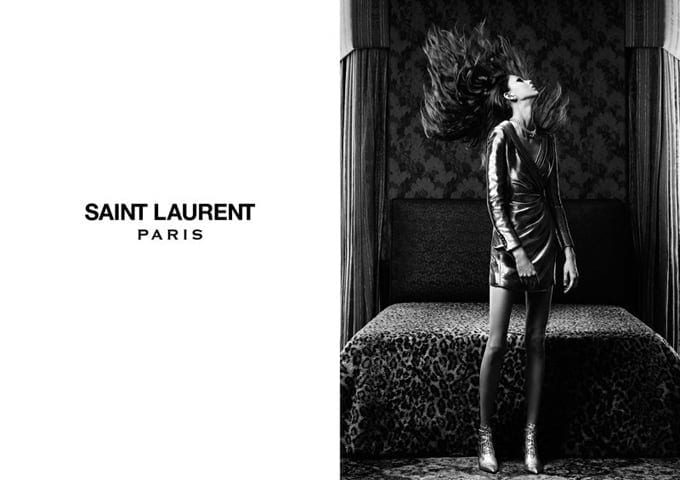
Slimane’s work is usually easy to identify. Garments are lean rather than loose, with a preference for narrow lapels, long lines, dark palettes, black leather, white shirting, skinny ties, and tailored jackets worn close to the body. In his Saint Laurent period, he leaned into boots, biker jackets, sequins, denim, and nightclub glamour, but the cut stayed controlled and exact.
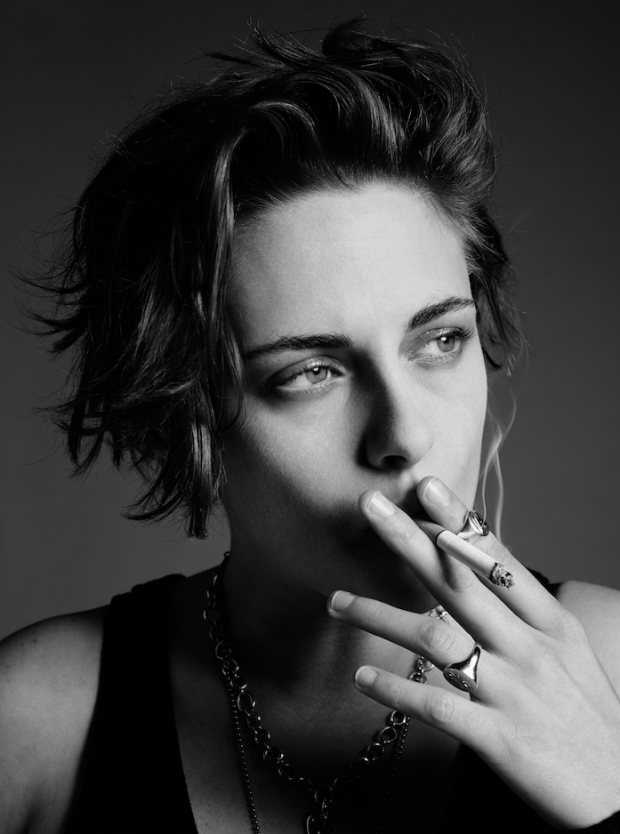
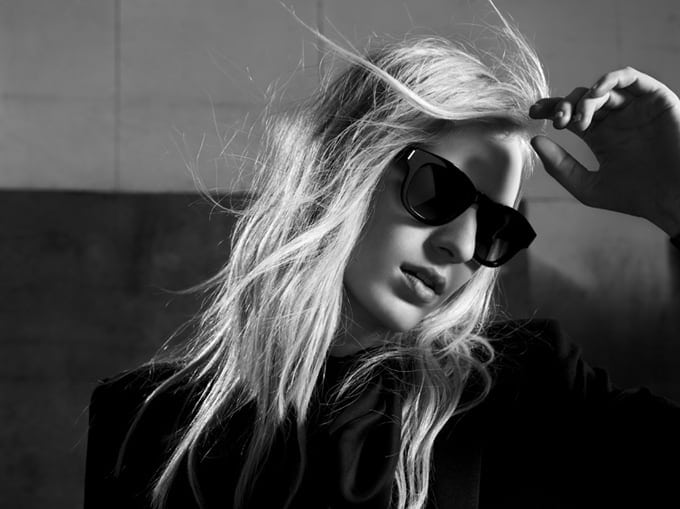
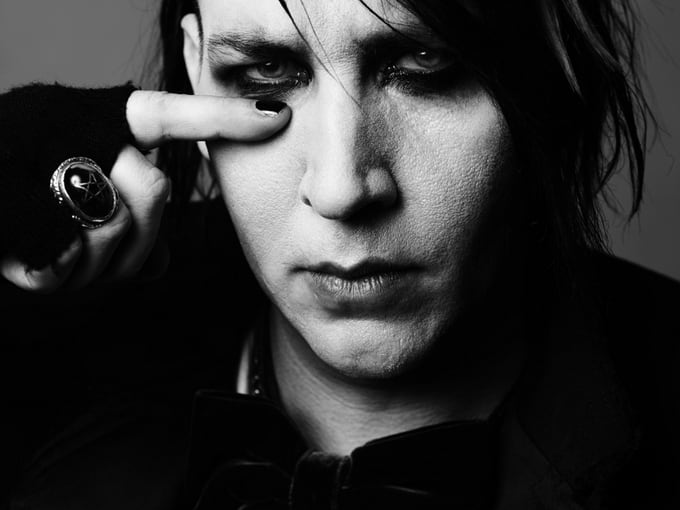
He often pairs this clothing with a black-and-white or low-saturation visual style. Campaigns and lookbooks under his direction tend to use sparse settings, hard flashes, young models, and a sense of deliberate distance. The result feels less like a traditional luxury tableau and more like a portrait of a subculture filtered through the discipline of high fashion.
Where did he come from?
Slimane began in Paris and built his reputation through menswear at the turn of the millennium. His work at Dior Homme, from 2000 to 2007, became the key reference point for his career. That period aligned with the rise of slimmer menswear and with fashion’s growing interest in youth culture, indie music, and a more fragile, angular masculine image.
After Dior, he spent time outside the main fashion system before taking over Saint Laurent. At Saint Laurent, he changed the brand’s direction substantially, including the name presentation and the visual code around the house. He did not simply update an archive; he imposed a new one, built around his own preferences for proportion, casting, and photography.
How does his work shape magazines and campaigns?
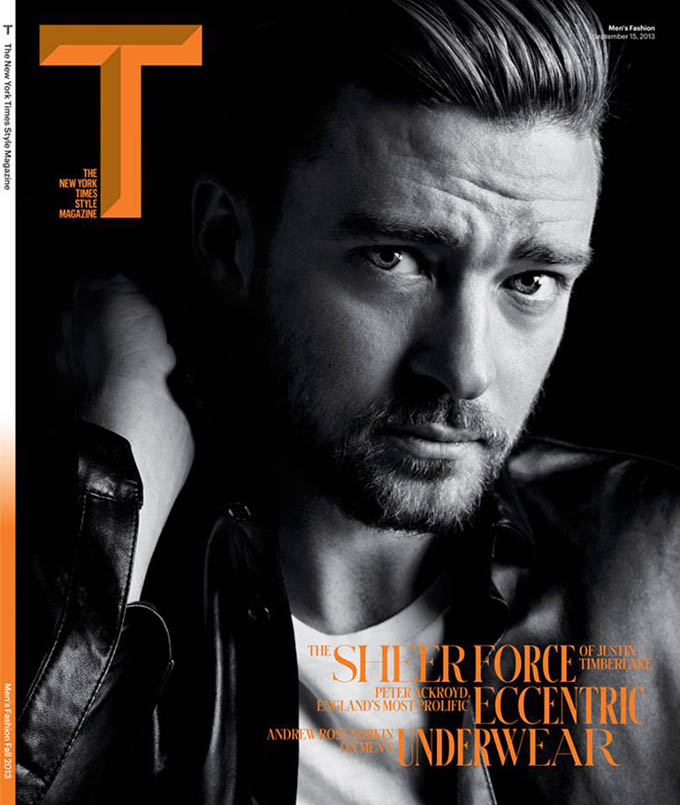
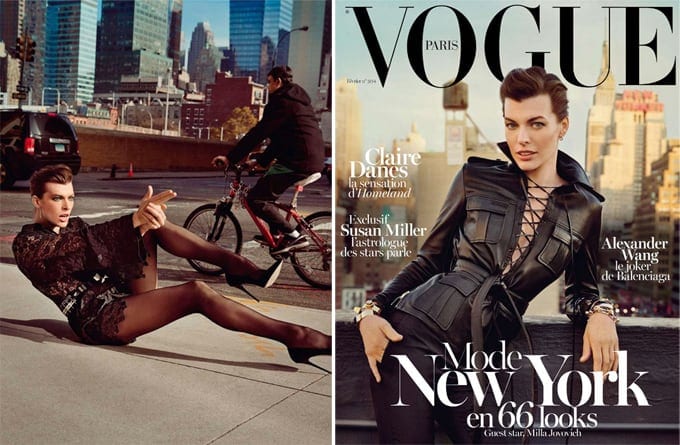
Slimane’s influence is especially visible in editorial and advertising photography. Many of the celebrity and fashion images associated with his brands use posed, tightly framed portraits with plain backdrops or minimal staging. That look has become common in luxury fashion campaigns because it puts emphasis on silhouette, attitude, and branding rather than elaborate sets.
He also photographs many of his own campaigns and portraits, which gives his output a consistent signature. In practice, this means the same visual rules recur across garments, casting, and printed material. The model’s stance, the crop of the image, and the choice of type or negative space often matter as much as the clothes being sold.
Frequently Asked Questions
Is Hedi Slimane only a clothing designer?
No. He is a fashion designer, but his work reaches into photography, art direction, and brand identity. That broader control is a major reason his projects are so recognisable.
What is the “Slimane silhouette”?
It refers to his preference for narrow, elongated tailoring and close-fitting shapes. In menswear, that usually means slim jackets, tapered trousers, and a fitted overall line. In womenswear and campaign styling, the effect can also include a hard-edged, youthful sharpness.
Why do his campaigns look so consistent?
Slimane tends to control many parts of the image at once, from styling to photography to casting. Repetition helps reinforce the brand’s identity and makes the clothes read as part of a coherent visual world. That consistency became one of his most influential tools.
Articles mentioning Hedi Slimane