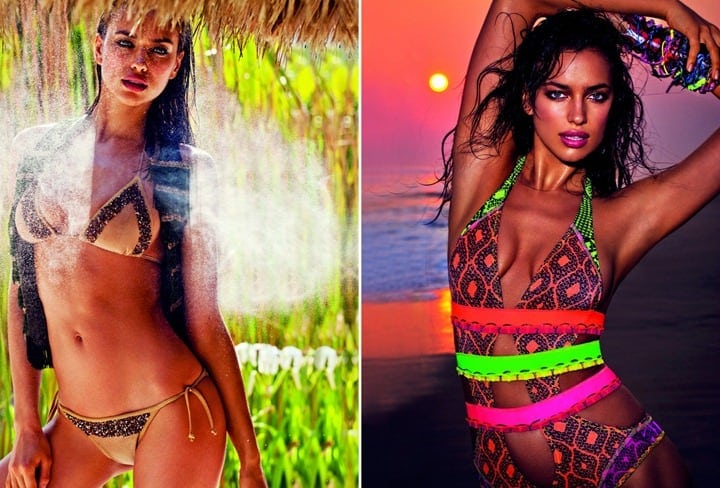
Irina Shayk is a Russian model known for a high-profile career in fashion editorials, lingerie campaigns, swimwear work, and runway and commercial appearances. Born Irina Shaykhlislamova in Yemanzhelinsk, Russia, in 1986, she became widely recognised through repeated appearances in the Sports Illustrated Swimsuit Issue, including the 2011 cover.
- Russian model born in 1986 in Yemanzhelinsk, Russia
- Also credited as Irina Sheik
- Rose to international visibility through Sports Illustrated Swimsuit Issue features from 2007 to 2013
- Known for fashion and lingerie campaigns, including work for brands such as La Clover, Xti and Agua Bendita
- Has appeared in editorial projects for magazines including Vogue Mexico and Harper’s Bazaar US
How Irina Shayk became widely known
Shayk’s career followed a familiar but demanding model trajectory: local discovery, commercial print work, then a move into global fashion visibility. Her early prominence came from swimwear and lingerie photography, where a strong silhouette, direct gaze and polished posing matter as much as facial recognition. By the time she became associated with the Sports Illustrated Swimsuit Issue, she was already part of the visual language of glossy fashion publishing.
Her 2011 cover for Sports Illustrated marked a key point in that rise. Cover placement in that magazine can transform a model from recurring editorial subject into a widely recognisable figure across fashion, entertainment and advertising. Shayk’s presence in the issue from 2007 through 2013 shows the value of consistency in image-based careers: repeated publication builds familiarity, and familiarity builds brand value.
What does her work look like?
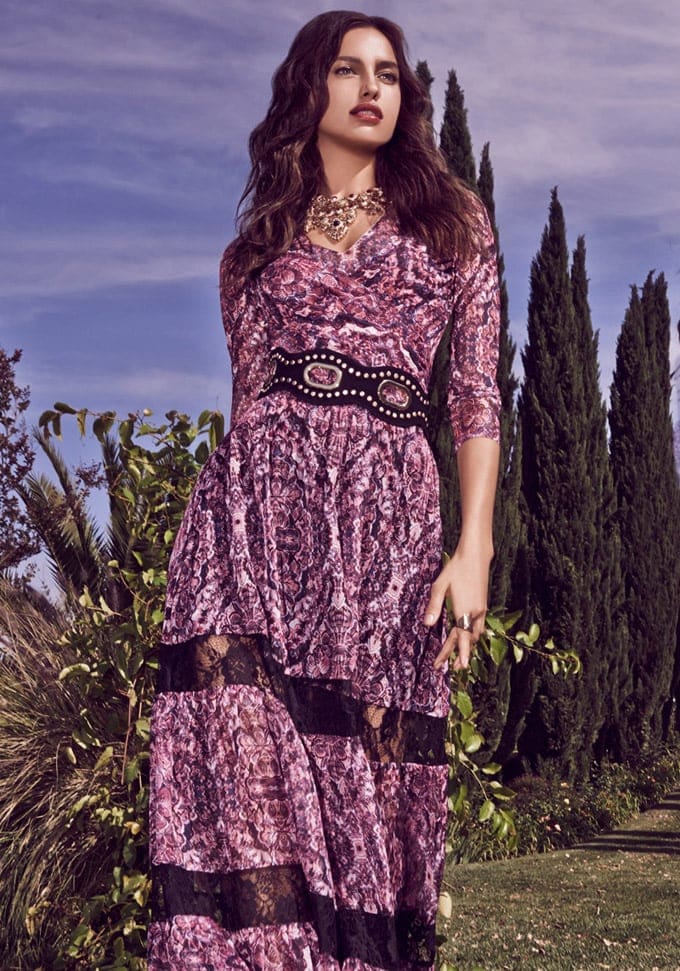
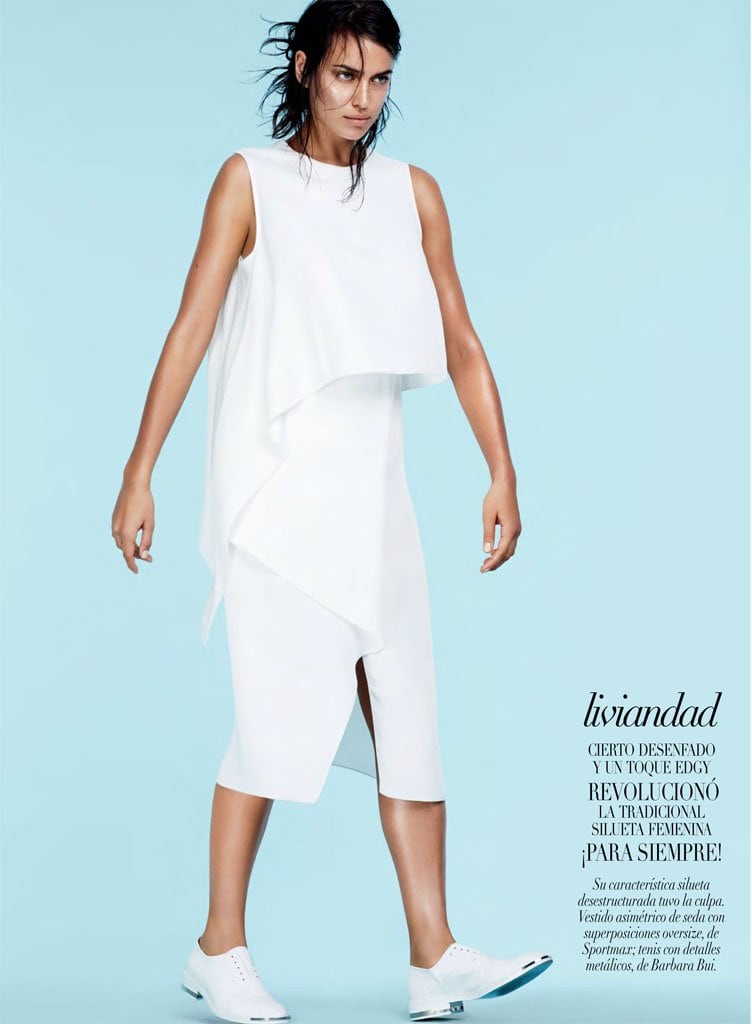
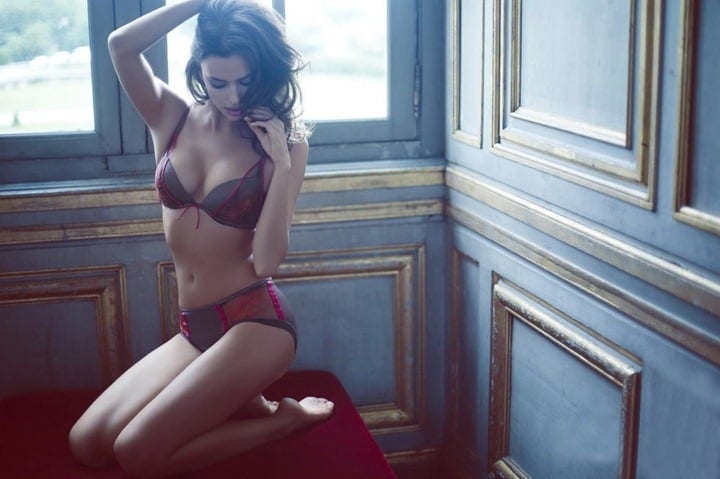
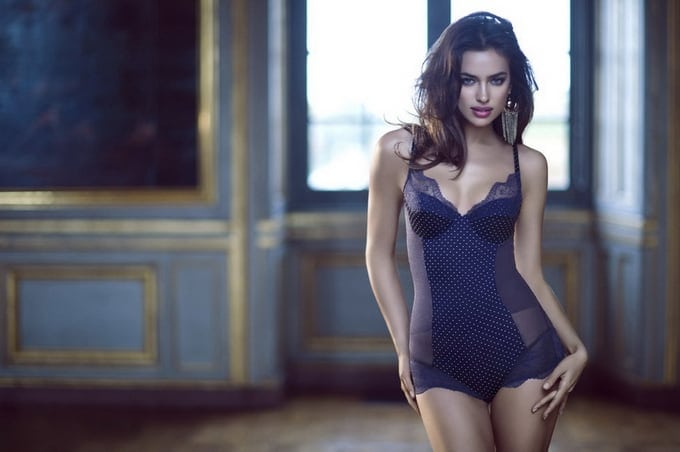
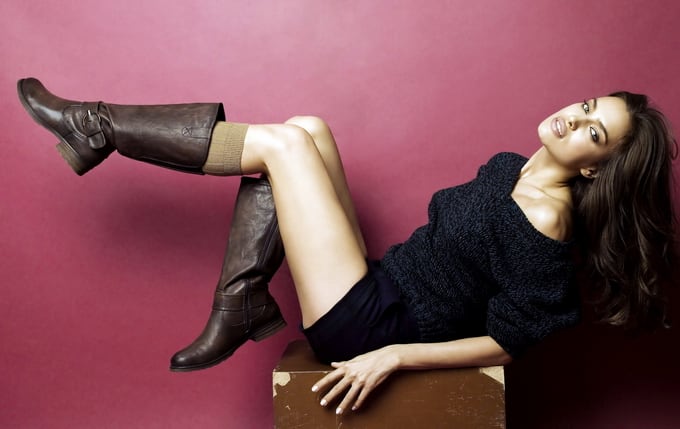
Shayk is most often seen in images designed to sell a specific ideal of glamour: swimwear, lingerie, holiday fashion, and polished ready-to-wear campaigns. In those contexts, the clothing is usually minimal or body-conscious, and the photographic emphasis falls on line, surface and attitude. Her editorial work often uses clean studio lighting or sunny outdoor settings that keep the focus on garment shape, skin tone and pose.
That visual approach explains why she appears often in projects for brands such as La Clover, Xti and Agua Bendita, all of which rely on a model’s ability to make fabric, fit and movement feel immediate. In fashion magazines, the same qualities translate differently: a cover or editorial spreads the image across pages, pairing luxury styling with a face already familiar to readers from advertising and swimwear campaigns. Shayk’s career sits at that intersection between commercial fashion and magazine culture.
Why does she matter in fashion media?
Shayk matters because she represents the modern model as both image and brand. Her work is not defined by one runway moment or one designer partnership, but by a sustained presence across multiple visual formats: magazine covers, seasonal campaigns, lingerie shoots and celebrity-fashion editorials. That kind of visibility is central to how fashion media works, since it depends on recognisable faces that can carry different styles without losing audience attention.
She also reflects the way Eastern European models shaped global fashion imagery in the 2000s and 2010s. Fashion publishers and advertisers increasingly sought models who could move between luxury editorial, commercial swimwear and aspirational lifestyle branding. Shayk’s career shows how a model can become a recurring visual reference across those categories, not by disappearing into clothes, but by making the clothes and the campaign’s mood legible at a glance.
How is her name used in credits?
Shayk is sometimes credited as Irina Sheik, a common variation in transliteration from Russian. That kind of naming shift is typical in international fashion, where the same person may appear under slightly different forms depending on the publication, agency, or market. Her birth name, Irina Shaykhlislamova, also appears in biographical references, though it is much less commonly used in fashion credits.
For readers of magazines and campaign archives, these variations matter because they can separate one model’s work across multiple databases or credit lines. A single figure may therefore seem fragmented in print records even when the visual identity is consistent. Shayk’s career is a clear example of how fashion publishing often circulates a person through several naming systems at once.
Frequently Asked Questions
Is Irina Shayk primarily a runway model or a print model?
She is best known as a print and campaign model, especially through editorial work, swimwear, and lingerie imagery. Runway work is part of many top models’ careers, but Shayk’s public profile grew mainly through magazines and advertising. Her most recognisable images come from photography rather than catwalk presentation.
Why is her Sports Illustrated work so often mentioned?
The Sports Illustrated Swimsuit Issue reaches a broad audience beyond the fashion industry, so repeated appearances there create unusually wide visibility. Shayk’s 2011 cover made her especially prominent. For many readers, that cover is the image that fixed her name in memory.
Why do some sources spell her name differently?
Differences in transliteration from Russian often produce alternate spellings in English-language media. Irina Shayk and Irina Sheik refer to the same person. In fashion publishing, such variation is common and can reflect editorial preference, agency style or regional spelling habits.
Articles mentioning Irina Shayk