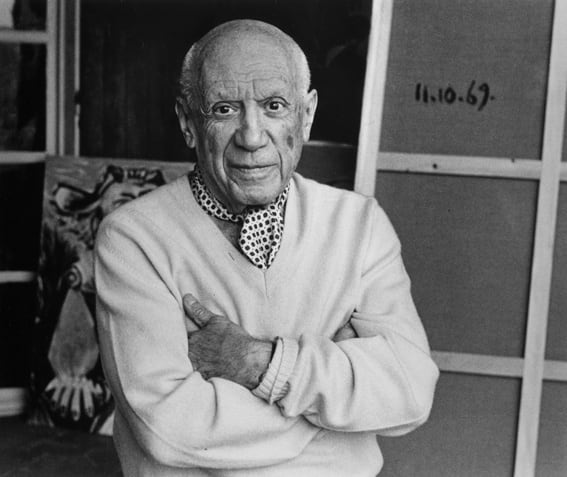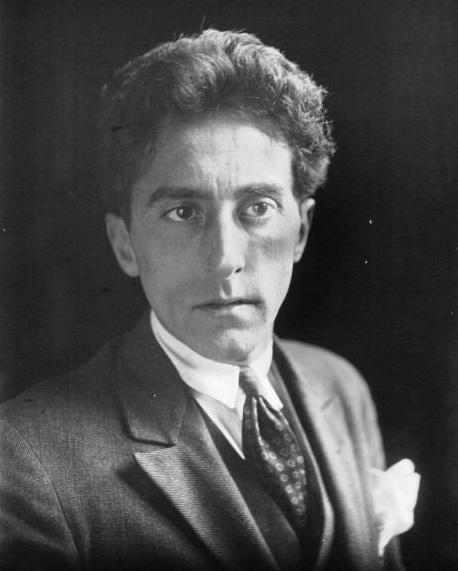
Jean Cocteau was a French writer, artist, designer, and filmmaker whose work moved across poetry, theatre, drawing, cinema, and stage design. Born in 1889 and active through the mid-20th century, he became known for treating each medium as a different way to stage dreams, myths, and modern anxiety. His books, films, and theatrical work helped define French modernism as something elegant, strange, and deeply theatrical.
| Born | 5 July 1889, Maisons-Laffitte, France |
|---|---|
| Died | 11 October 1963, Milly-la-Forêt, France |
| Nationality | French |
| Known for | Poetry, novels, drama, drawing, film direction, stage and costume design |
| Notable works | Les Enfants terribles, The Blood of a Poet, Beauty and the Beast, Orpheus, Les Parents terribles |
What made Cocteau different?
Cocteau did not treat art forms as separate categories. He wrote verse, plotted plays, drew designs, directed films, and moved freely between high culture and popular spectacle. That range gave his work a recognisable signature: clean lines, classical references, surreal shifts, and a fondness for masks, mirrors, doubles, and transformation.
He often worked like a collaborator rather than a solitary author. In theatre and film, he shaped costumes, sets, and imagery as carefully as dialogue. That mattered because his work was not only literary; it was visual and performative, built from gesture, silhouette, and atmosphere as much as from words.
How did he come to matter?
Cocteau emerged from the Parisian avant-garde in the years after World War I, when artists were testing how modern life could be represented without abandoning myth or beauty. He was associated at different moments with Surrealism, Symbolism, cinema, and the wider world of experimental theatre, though he never stayed inside one camp for long. His refusal to settle into a single label became part of his identity.
His most durable influence came from the way he fused literary culture with visual invention. The Blood of a Poet and Beauty and the Beast showed that fantasy could be filmed with precision rather than escapism. Les Enfants terribles and Les Parents terribles turned private obsession and family drama into stylised, severe compositions. Across these works, Cocteau helped make modern French art feel both polished and uncanny.
What does Cocteau look like in practice?
In practice, Cocteau’s style appears as sharp contours, emblematic objects, and theatrical poses. His drawings often use spare line and quick, confident motion, with faces and bodies reduced to essentials. In film, he used effects that now seem simple but remain effective: reversed motion, reflective surfaces, slow transformations, and images that blur waking life with dream logic.
His writing follows a similar pattern. Rather than build realism through detail, he used compression, repetition, and symbolic scenes. A Cocteau script or poem often feels staged, as if characters are acting inside an elaborate ritual rather than ordinary life. That quality made his work attractive to photographers, designers, and filmmakers who wanted a language of elegance with a darker edge.
Why do designers and photographers still return to him?
Designers and photographers return to Cocteau because his work translates easily into images. He understood profile, costume, ornament, and framing, and he used them to construct identity. A face in Cocteau is rarely just a face; it becomes a mask, a role, or a clue to a hidden story. That gives his imagery lasting value for fashion, editorial photography, poster design, and stage production.
He also offered a model of the artist as multidisciplinary maker. In a culture that often separates writing from image-making, Cocteau showed how a single sensibility could move between page, stage, and screen without losing coherence. For visual culture, that is his most important lesson: style can live across formats if the formal instincts stay consistent.
Frequently Asked Questions
Was Jean Cocteau mainly a writer or a filmmaker?
He was both, and reducing him to one role misses the point of his career. Cocteau wrote poems, novels, and plays, but he also made films and designed visual elements for stage productions. His reputation rests on that movement between media rather than on one discipline alone.
What are his best-known works?
The most cited are Les Enfants terribles, The Blood of a Poet, Beauty and the Beast, Orpheus, and Les Parents terribles. These works show his range from novel to theatre to cinema. They also show his recurring interests: youth, desire, myth, doubling, and the unstable boundary between reality and fantasy.
Why is Cocteau relevant to visual culture?
Cocteau treated visual form as inseparable from meaning. His drawings, costumes, sets, and film images all rely on clarity of line and symbolic force, which makes them easy to recognise and hard to forget. That is why his influence remains visible in photography, fashion, graphic design, and performance art.
Articles mentioning Jean Cocteau