
Jennifer Lopez is an American singer, actor, dancer, producer, and businesswoman whose career spans pop music, film, television, fashion, and beauty. She came up through dance and acting in New York, then became one of the most visible Latinx performers in mainstream American entertainment, known for a polished performance style and for building brands around her public image.
Stories from Jennifer Lopez
2 stories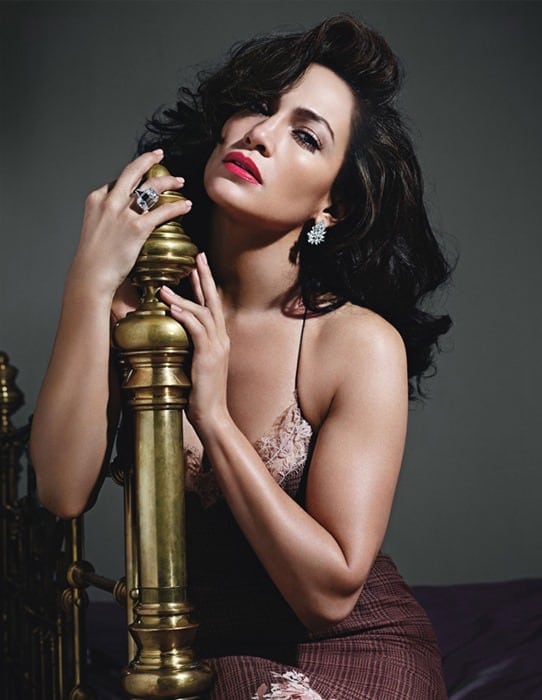
About Jennifer Lopez
- She began as a dancer and performer in New York before moving into acting and music.
- Her breakout screen role came with Selena in 1997, where she played Selena Quintanilla.
- She helped make the “triple threat” model—singing, dancing, acting—central to late-1990s and 2000s pop celebrity.
- Her image combines glamour, athletic movement, and a carefully managed sense of personal style.
- She has also built businesses in fragrance, fashion, and beauty, turning celebrity into a commercial brand.
Read the full overviewHow did Jennifer Lopez become famous?, Why does Jennifer Lopez matter in popular culture?, What does her work look like in practice?, How has Jennifer Lopez been portrayed over time?
How did Jennifer Lopez become famous?
Lopez grew up in the Bronx, New York, in a Puerto Rican family, and she trained as a dancer before she became widely known as an actor. Early work included dancing in music videos and on television, followed by roles in film and on the sketch comedy series In Living Color. That background mattered: she entered the entertainment industry with physical discipline, stage experience, and an understanding of how to hold attention in a short performance.
Her breakthrough came with Selena, the 1997 biopic about the Tejano singer Selena Quintanilla. The role made Lopez a major film star and gave her a platform to launch a parallel music career. Her debut album, On the 6, arrived in 1999 and turned her into a chart presence as well as a screen presence, a combination that defined much of her later career.
Why does Jennifer Lopez matter in popular culture?
Lopez matters because she became one of the most prominent Latina stars in an American media system that had rarely given that position to women of Puerto Rican descent. Her visibility changed what mainstream success could look like for a multilingual, Latinx performer working across white-dominated film, television, and music industries. She was not confined to a single lane; she moved between dance, acting, recording, and entrepreneurship and made that range part of the brand.
She also helped shape the visual language of celebrity in the late 1990s and 2000s. Her public image often relied on high-gloss styling: fitted gowns, large-scale glamour, strong makeup, long hair, and choreography that foregrounded control and athleticism. That look has become one of the most recognizable in modern celebrity culture, especially in fashion photography, red-carpet coverage, and music videos.
What does her work look like in practice?
On screen and on stage, Lopez tends to work through precision. As a dancer, she uses clean lines, sharp posture, and strong musical timing. As an actor, she often plays characters whose emotional life is tied to performance, ambition, or visibility. Even when the material is commercial, her work usually depends on the body: movement, costume, gesture, and a highly managed public persona.
Her business activity extends that visual discipline into products and branding. She has launched fragrances, clothing, accessories, and beauty ventures that trade on a consistent aesthetic of warmth, polish, and luxury. In this sense, Lopez is not only a performer but also a maker of an image system—one built from styling, photography, music packaging, and mass-market consumer goods.
How has Jennifer Lopez been portrayed over time?
Lopez has often been discussed in terms of labor, reinvention, and visibility. Early coverage focused on whether she could move successfully between acting and music, while later coverage shifted toward her as a veteran star who could still generate attention across generations. That longevity has made her a repeated subject for fashion editorials and retrospective portraiture, where her younger-self image is often used to show continuity rather than decline.
She has also been a frequent site of debate about race, class, Latinidad, and celebrity femininity. Public discussion around her body, relationships, accent, and beauty standards has been intense, which reflects the pressure placed on women who occupy a highly visible commercial role. Her career shows how entertainment fame can become an engine for both representation and scrutiny at the same time.
Frequently Asked Questions
Is Jennifer Lopez mainly a singer or an actor?
She is both, and neither label fully describes her career. Lopez began in dance and acting, then added music, and her public identity has long depended on moving between those fields. The combination is important because her fame comes from performance as a whole, not from one medium alone.
Why is her Selena role so important?
Selena gave Lopez a major dramatic role at exactly the point when Hollywood was still rarely placing Latina women at the center of prestige projects. The part required singing, emotional range, and a careful physical resemblance to a real public figure. It turned her into a star and established the cross-media career that followed.
What is Jennifer Lopez known for visually?
She is known for high-glamour styling, strong movement, and a polished stage presence. Her looks often feature tight tailoring, metallic fabrics, sculpted silhouettes, and a camera-ready finish that reads well in both still photography and performance footage. That visual consistency is part of why her image has remained so recognizable over time.