
Multiple exposure is a photographic and cinematic technique that combines two or more exposures into a single frame. When the result uses only two layers, it is often called double exposure. The technique can be done in-camera, by rewinding or holding film for a second exposure, or later in post-production by blending separate images digitally.
Stories from Multiple exposure
20 stories



About Multiple exposure
- It layers images in one frame instead of presenting them separately.
- Film photographers often create it in-camera; digital artists usually build it by compositing.
- The effect can be ghostly, lyrical, surreal, or diagrammatic depending on subject and contrast.
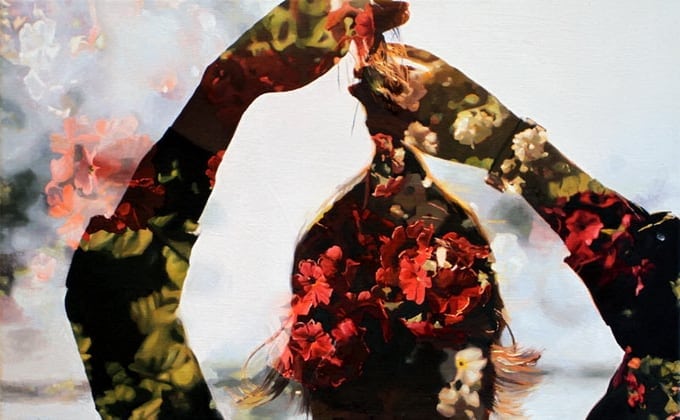
- It is common in portraiture, where a face or body is combined with landscapes, flowers, architecture, or texture.
- It depends on careful control of light, density, and composition so one image does not overpower the others.
Read the full overviewHow multiple exposure works, Where did the technique come from?, Why do artists use double exposure?, What does it look like in practice?
How multiple exposure works
Each exposure adds light to the same piece of film or sensor area, so the later image sits over the earlier one rather than replacing it. On film, this can happen by exposing the same frame more than once; on digital cameras and editing software, separate files are merged with opacity controls, masking, or blending modes. The final image is not a simple collage. The overlapping tones and edges interact, and that interaction gives the technique its distinctive instability.
Because multiple exposure adds visual information into a single frame, the maker has to think in layers from the start. Dark areas often preserve detail better than bright ones, while high-contrast shapes can create cleaner overlaps. Many photographers intentionally underexpose each layer so the combined image stays readable instead of becoming muddy or blown out.
Where did the technique come from?
Multiple exposure emerged early in photography’s history, when photographers discovered that a frame could be exposed again before processing. What began as a technical accident or experiment soon became a deliberate tool for montage, illusion, and narrative. Cinema also adopted the method: filmmakers used repeated exposure and optical printing to place one image over another, creating dream scenes, apparitions, and visual transitions.
In the film era, the technique carried a strong association with trick photography and surrealism, but it also served practical purposes. It could show movement in successive stages, place a subject within a symbolic environment, or turn a portrait into a visual metaphor. Digital tools did not invent the effect; they made it easier to control, revise, and reproduce.
Why do artists use double exposure?
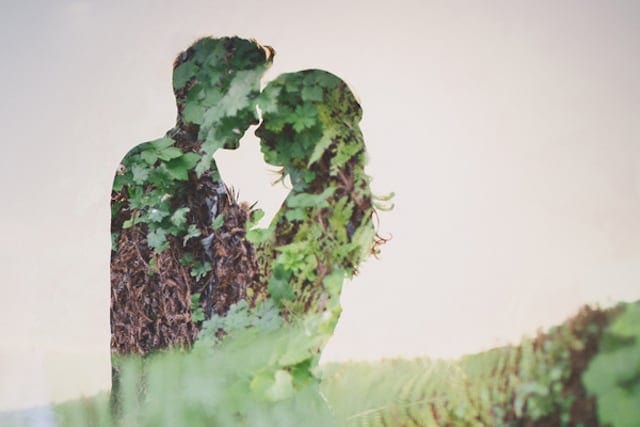
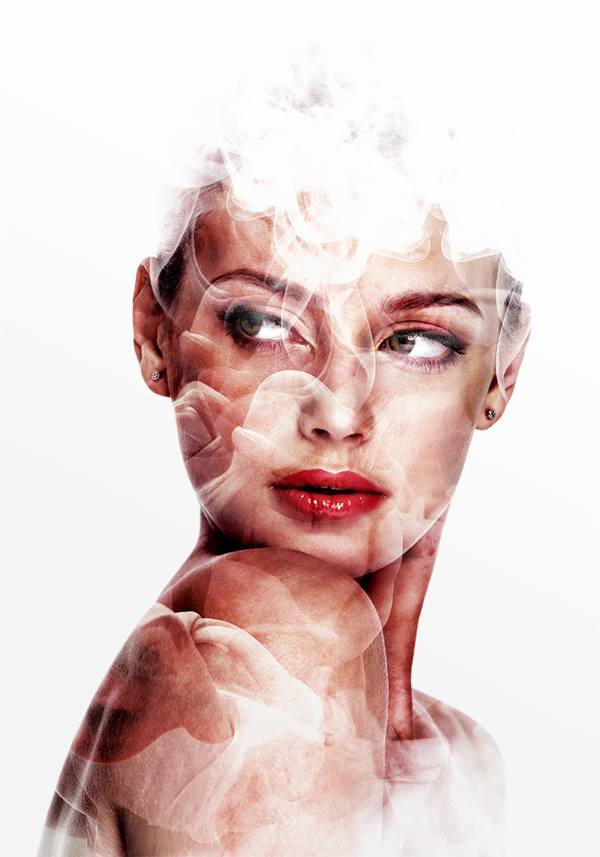
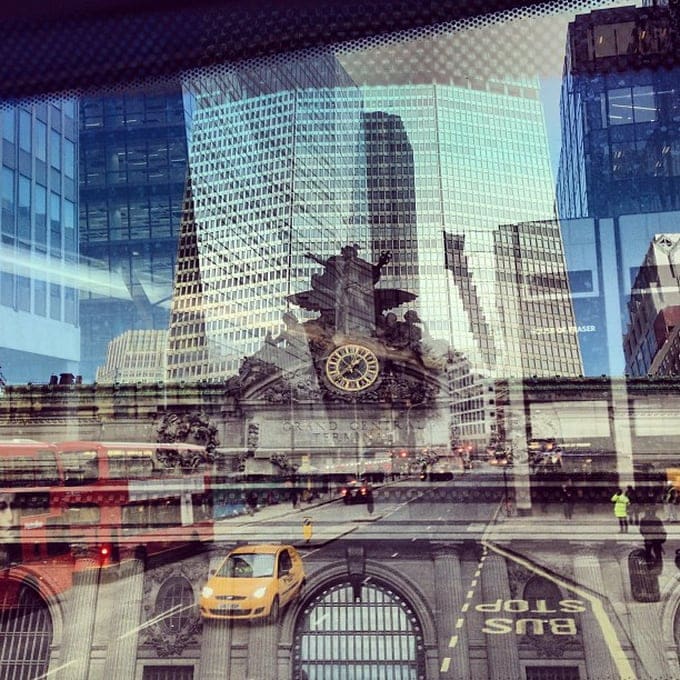
Double exposure remains popular because it condenses two ideas into one picture. A face filled with trees suggests memory, ecology, or inner life. A figure overlaid with architecture can imply place, isolation, or belonging. The appeal comes from the tension between recognition and ambiguity: the viewer sees both images at once, but neither fully settles into place.
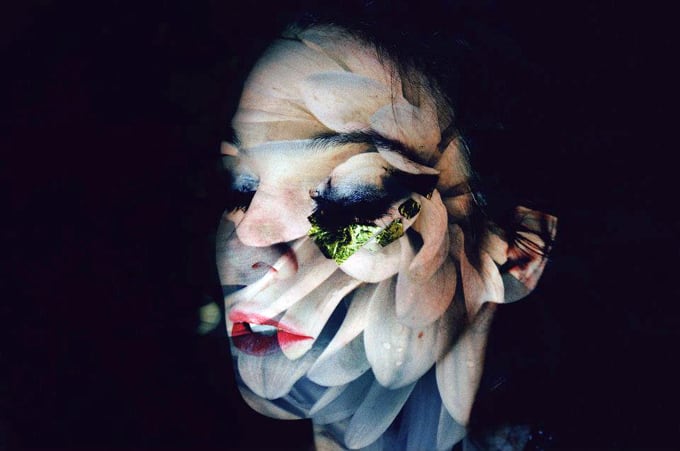
That tension makes the technique useful in portrait photography, album art, poster design, and experimental work. It can soften documentary realism without abandoning the subject, and it can make a direct portrait feel symbolic without adding props. In wedding photography, for example, it is often used to merge a couple with scenery or floral detail; in fine art work, it may be used to turn skin into a surface for foliage, clouds, or printed texture.
What does it look like in practice?
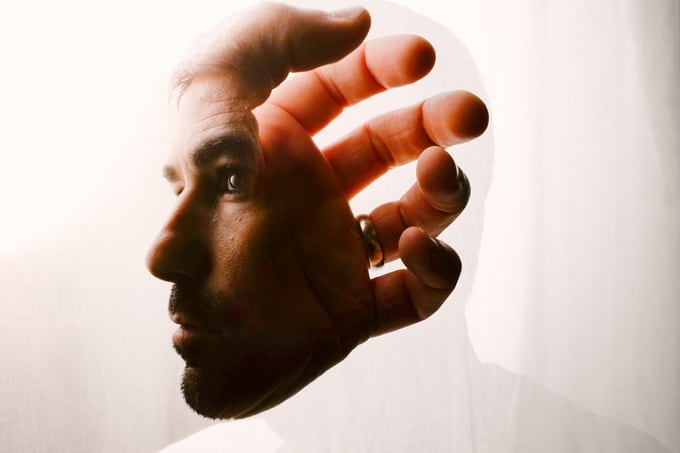
A strong multiple exposure usually depends on contrast and shape rather than on sheer complexity. One image may provide the structure of a face, body, or object, while the second supplies texture, landscape, motion, or pattern. Silhouettes, side profiles, high-key backgrounds, and bold tonal separation are common choices because they hold their form after layering.
In practice, the result can be subtle or dense. Some images show one subject clearly and only hint at the second layer through soft edges or tonal changes. Others embrace visual overload, turning the frame into a compact field of references. The technique works best when the maker controls what remains legible and what dissolves into suggestion.
Frequently Asked Questions
Is multiple exposure the same as collage?
No. A collage usually combines separate pieces or files into a constructed whole, often with visible joins or intentional cuts. Multiple exposure keeps the images in one frame and lets them interact through shared light and transparency. The result tends to feel more continuous and optical than assembled.
Can multiple exposure be done without film?
Yes. Digital cameras may include a multiple exposure mode, and editing software can blend images after capture. Film still matters because in-camera layering produces specific accidents and limits that many photographers value. Those limits often shape the aesthetic as much as the subject does.
Why does a multiple exposure sometimes look washed out?
Each added exposure increases the total amount of light recorded, so stacked images can lose contrast if they are not planned carefully. Bright backgrounds, repeated highlights, or too many layers can quickly flatten the frame. Photographers often compensate by underexposing each layer or choosing subjects with stronger tonal separation.