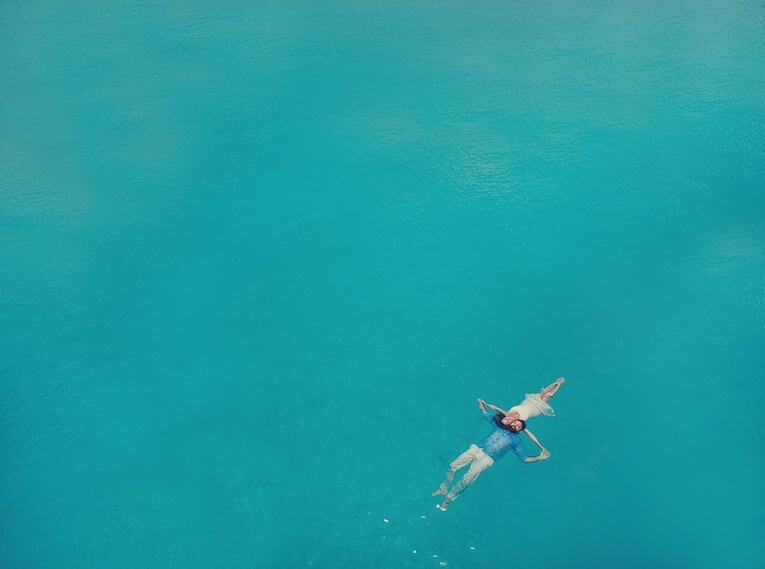
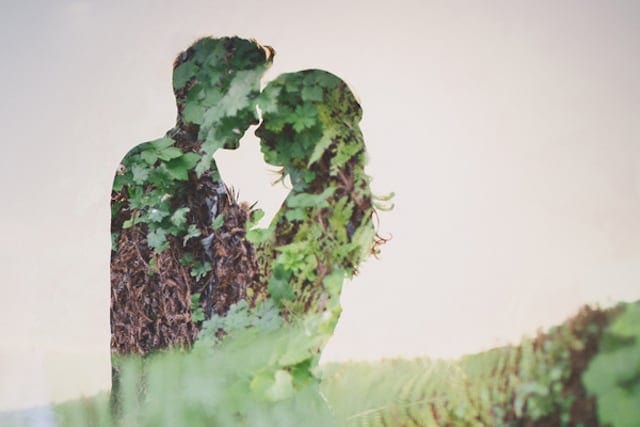
Wedding photography is the practice of photographing a marriage ceremony, the people around it, and the related portraits, preparations, and celebrations that surround the event. It ranges from formal posed images made before the ceremony to candid coverage of the reception, and it often feeds related uses such as announcements, albums, thank-you cards, wall prints, and studio portfolios.
- It covers both staged portraits and documentary-style event coverage.
- Common deliverables include albums, prints, digital galleries, and social-media-ready images.
- Many photographers build a large share of their business around weddings.
- Lighting, timing, and crowd management matter as much as camera technique.
- Styles vary from traditional and editorial to candid, fine-art, and photojournalistic approaches.
What wedding photography includes
Wedding photography begins before the ceremony. Photographers often record the engagement, the dress or suit, hair and makeup, the venue, family arrivals, and posed portraits of the couple and wedding party. These pictures are made for a mix of private, ceremonial, and commercial reasons: invitations, announcements, display prints, keepsakes, and later promotion for the photographer’s own practice.
The core assignment is the wedding day itself, when the photographer must move quickly across changing scenes. Ceremonies can unfold in low light, crowded rooms, or outdoors in harsh sun. Receptions add movement, mixed lighting, speeches, dancing, and brief moments that cannot be repeated. The work depends on anticipating action, reading social space, and making usable images without interrupting the event.
How did wedding photography develop?
Wedding photography grew alongside studio portraiture and the wider spread of personal photography in the late nineteenth and twentieth centuries. Early wedding images were often formal and static, made with large cameras and long exposures. Couples stood in arranged groups, usually outside the ceremony or in a studio, because film speed, flash equipment, and logistics made spontaneous coverage difficult.
As cameras became faster and more portable, photographers could follow the day more closely. Color film, improved flash units, and later digital cameras expanded the range of possible images and reduced the cost of large shoots. Digital workflows also changed delivery: photographers could review images immediately, edit them quickly, and supply galleries in formats meant for online sharing and printing.
What styles are common?
Wedding photography is not one fixed look. Traditional wedding photography emphasizes posed family groups, clear records of the ceremony, and a predictable shot list. Photojournalistic or candid approaches focus on real-time moments: laughter, tears, gestures, and interactions that happen between formal events. Editorial and fine-art wedding photography borrow from magazine layout and art photography, using carefully composed scenes, controlled light, and more attention to styling.
In practice, many photographers combine several styles in one job. A single wedding may include formal group portraits, detail shots of rings and flowers, quiet couple portraits, and unposed coverage of the reception. The choice of style affects lenses, lighting, turnaround time, and even how the photographer directs people. A heavily posed session needs strong interpersonal control; a candid one needs fast reflexes and strong awareness of timing.
Why does it matter commercially and visually?
Wedding photography matters because it sits at the intersection of memory, ceremony, and commerce. The images are often the most carefully preserved visual record of the event, and they carry family, social, and archival value. At the same time, the work sustains many independent photographers and studios through packages, printing, album design, and add-on products.
It also shapes how weddings are seen. Repeated visual conventions — the first kiss, the rings, the first dance, the group portrait — have become standard because photographers keep returning to them. Those conventions influence couples’ expectations, venue design, and even the objects used in the event: floral arrangements, table settings, stationery, clothing, and printed keepsakes are often chosen with photography in mind.
Frequently Asked Questions
Is wedding photography the same as event photography?
Wedding photography is a branch of event photography, but it has a narrower social purpose and a more defined set of expected images. It usually combines documentary coverage with portraiture and formal group work, which makes it more structured than many other events. The work also carries higher emotional and archival stakes, since families often keep these images for decades.
What equipment is typically used?
Most wedding photographers use interchangeable-lens digital cameras, fast prime lenses, zoom lenses, external flashes, and backup bodies. The equipment choice depends on the venue and style: wide apertures help in dim churches or reception halls, while longer lenses help capture candid moments from a distance. Reliable batteries, memory cards, and off-camera lighting are just as important as the camera itself.
Why do wedding photographs often look so posed?
Wedding photographs look posed because many parts of the day must be organized around family needs, time limits, and ceremonial order. Group portraits, couple portraits, and detail images are usually directed to ensure that everyone is visible and that the key symbols of the day are clear. Even in candid coverage, the photographer often shapes the scene by choosing angle, light, and timing.
Articles mentioning Wedding photography