Nina Ricci was a French fashion designer of Italian birth whose name became attached to one of the most polished Paris couture houses of the 20th century. She built her reputation on refined tailoring, light drape, and clothes that balanced practicality with romantic detail, especially in daywear and evening dress.
- Born Maria Adélaïde Nielli in 1883 in Turin, she later became known professionally as Nina Ricci.
- She co-founded the House of Nina Ricci in Paris in 1932 with her son, Robert Ricci.
- The house became known for elegant, feminine silhouettes, careful construction, and accessible luxury.
- Ricci’s work sat between couture discipline and commercial wearability, which helped the brand endure beyond her own lifetime.
- Her name remains associated with perfume, ready-to-wear, and the long Parisian tradition of fashion houses built around a founder’s signature style.
How did Nina Ricci become a fashion name?
Nina Ricci began as a dressmaker, not as a celebrity designer. She trained in the French couture system and worked in Paris for years before opening her own house with Robert Ricci in 1932. That late start mattered: she entered fashion with a strong understanding of cut, fit, and finishing, and she already knew how to serve clients who wanted clothes that felt modern without looking extreme.
The house took shape during a period when Paris couture still set the terms for luxury dress. Nina Ricci’s advantage was restraint. Her designs rarely depended on shock or spectacle; they relied on proportion, soft structure, and a close attention to how fabric moved on the body. This made the brand appealing to women who wanted elegance that did not appear overworked.
What made the house style distinctive?
Nina Ricci garments were often defined by a controlled silhouette: nipped waists, gently rounded shoulders, and skirts that fell with measured fullness. The construction was precise, but the effect was soft. That combination of discipline and ease gave the house a recognizable identity in a crowded couture market. It also made the clothes adaptable across daywear, cocktail dress, and evening wear.
Materials played a central role in that effect. The house used fine wools, silks, chiffons, taffetas, and other fabrics that could support either crisp tailoring or fluid drape. Embroidery, bows, and floral references appeared, but usually within an orderly framework rather than as excess decoration. In practice, the clothes read as carefully finished, polished, and feminine without becoming brittle.
Why does Nina Ricci matter in fashion history?
Nina Ricci matters because the brand helped define a kind of mid-century Paris elegance that valued clarity over drama. The house showed that luxury fashion could be commercially durable without abandoning couture standards. That balance became especially important as fashion houses began to depend not only on private clients, but also on licensing, fragrance, and broader brand identity.
Robert Ricci expanded the business into perfume, which proved crucial to the house’s long-term recognition. Fragrance turned the name into something that could circulate beyond the couture salon and survive shifts in taste. That business model later became standard for many fashion houses, but Nina Ricci helped establish it early: a designer’s name as both a creative signature and a commercial asset.
What does Nina Ricci look like in practice?
A Nina Ricci dress from the house’s classic era tends to look immaculate from the outside and complex in construction. Seams are shaped to support the body rather than force it into rigid form. Necklines are often refined and balanced, sleeves are cut to preserve movement, and hems are finished so the garment falls cleanly. Even when ornament appears, it usually reinforces line rather than interrupting it.
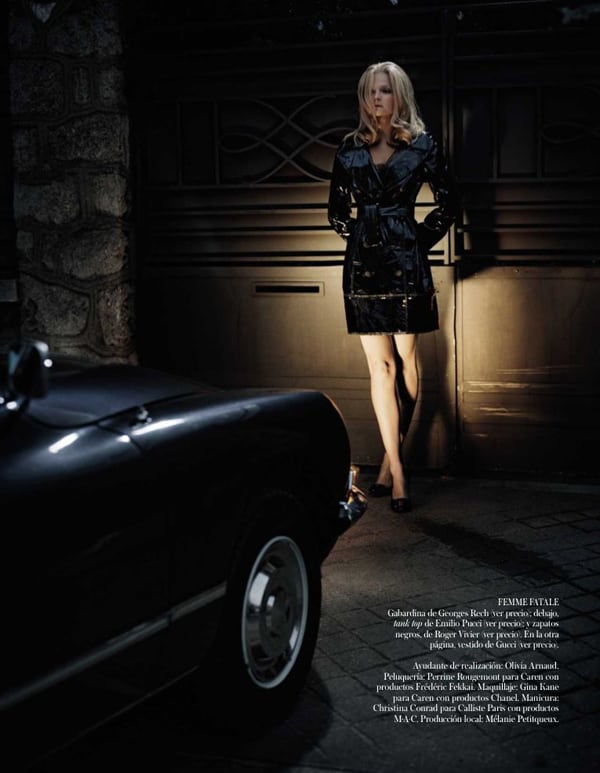
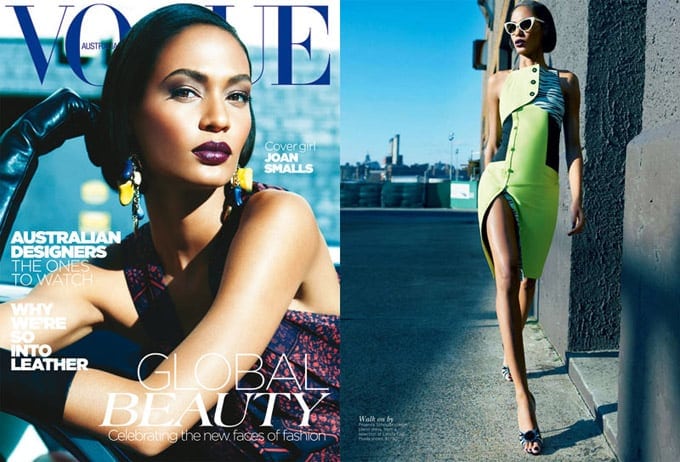
That sensibility influenced how the name was later used in fashion imagery and styling. In editorial contexts, a Nina Ricci garment signals polish, old-school Paris sophistication, and a controlled kind of femininity. It also carries the memory of couture workmanship: pattern cutting, hand finishing, fabric selection, and the patient adjustments that make a dress sit correctly under light and movement.
Frequently Asked Questions
Was Nina Ricci herself the sole designer behind the house?
No. Nina Ricci established the house and shaped its early identity, but the company was also a family enterprise, with her son Robert Ricci playing a major role in business and expansion. Like many couture houses, it became larger than the founder’s direct hand. The name Nina Ricci still reflects the original design ethos even after later creative directors took over.
Is Nina Ricci mainly known for clothing or perfume?
Both matter, but perfume made the brand more widely familiar. The couture house established the visual identity, while fragrances carried the name into a much larger market. That split is typical of 20th-century luxury fashion, where scent often became the most durable part of a designer label.
What kind of fashion would be associated with Nina Ricci today?
Modern references to Nina Ricci usually suggest refined tailoring, softness, and a slightly romantic Parisian look. The association is less about one iconic shape than about a polished attitude toward dress. Designers and stylists use the name when they want clothes to read as elegant, feminine, and carefully made without appearing severe.
Articles mentioning Nina Ricci (designer)