
Sichuan is a large province in southwest China known for its dense river basins, steep mountain edges, humid climate, and major cultural centers such as Chengdu and Chongqing’s former hinterland. Its name comes from a Song-dynasty administrative phrase meaning “four circuits of rivers,” a reminder that the region has long been organized around waterways, transport routes, and fertile lowland plains. In art and photography, Sichuan often appears as a setting of contrast: crowded cities and quiet mountains, agricultural fields and industrial change, old craft traditions and contemporary visual culture.
Stories from Sichuan
3 stories

About Sichuan
- Located in southwest China, with a landscape shaped by rivers, basins, mountains, and gorges.
- The name refers to historical administrative divisions connected to waterways.
- Known for strong regional food culture, especially the numbing heat of Sichuan pepper and chili-based cooking.
- Important in Chinese art and photography because it offers a visually distinct mix of urban density, rural life, and dramatic terrain.
- Home to long-running craft traditions, including embroidery, lacquer work, and Buddhist and vernacular sculpture.
Read the full overviewWhat makes Sichuan distinctive?, Why does the name matter?, What does Sichuan look like in art and photography?, What is Sichuan known for beyond geography?
What makes Sichuan distinctive?
Sichuan sits inside a broad basin ringed by mountains, which has given the province a distinct climate, ecology, and visual character. The basin gathers moisture, so the air is often damp and hazy, while the surrounding highlands create sharp changes in altitude within relatively short distances. That combination has shaped settlement patterns, agriculture, and architecture for centuries. Fields, riverbanks, and dense urban districts often sit within the same frame, which gives the province a layered look in photographs and moving images.

The region has also been a major population center and a historical crossroads. Rivers connect it internally, but mountains have also made it feel enclosed and self-contained. This tension between openness and enclosure helps explain why Sichuan can read as both provincial and central: a place with its own deep local culture, yet fully tied into the broader economic and political life of China.
Why does the name matter?
The word Sichuan comes from a historical administrative term tied to the Song dynasty. “Chuan” refers to rivers or streams, while the full older phrase points to a division of the region into four circuits. The modern name preserves that older geography of governance, not just physical landscape. It is a good example of how Chinese place names often compress history, administration, and environment into a single term.
Older Western spellings such as Szechwan and Szechuan came from earlier romanization systems. Those forms still appear in restaurant names and older books, especially in contexts related to cuisine. In contemporary usage, “Sichuan” is standard, and it refers both to the province itself and, by extension, to the cultural and culinary style associated with the region.
What does Sichuan look like in art and photography?
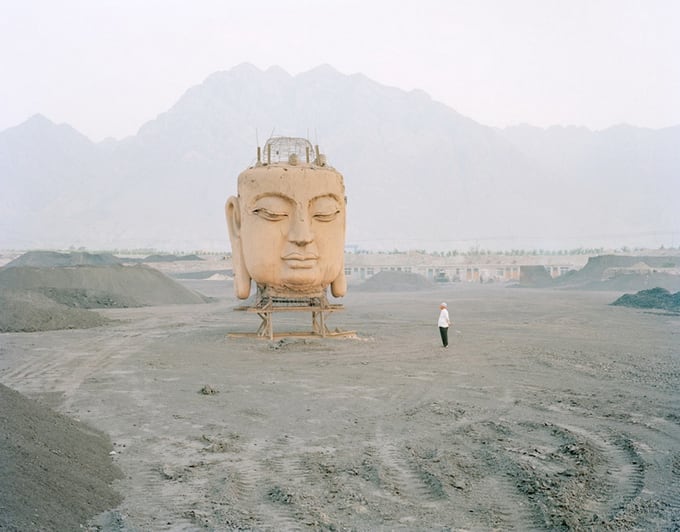
Sichuan is often photographed through contrasts of scale and surface. A single image might include a muddy river, a tower block, roadside vendors, misted hills, or a crowded interior. The province’s weather and terrain can soften color and blur distance, while its cities produce hard edges, bright signage, and compressed public space. That visual tension gives artists a strong field of material to work with.
In contemporary Chinese art, Sichuan can serve as both subject and metaphor. It may stand for local identity, social change, or the friction between tradition and modernization. For photographers, the province offers many kinds of texture: weathered stone, wet pavement, agricultural land, concrete housing, smoke, steam, and the dense patterning of daily life. Those surfaces matter because they carry the evidence of labor, climate, and habit.
What is Sichuan known for beyond geography?
Sichuan is widely associated with food, especially a style built on bold seasoning, fermented pastes, broad use of chili, and the distinctive tingling heat of Sichuan pepper. That cuisine is not an export label detached from place; it grows out of the province’s climate, produce, and long habits of preserving and balancing flavor. In visual culture, food from Sichuan often appears as a marker of region and identity as much as appetite.
The province is also known for craft and material culture. Sichuan embroidery, lacquer work, bamboo weaving, opera, and religious sculpture all belong to its long artistic history. These practices show up in museums and in everyday life, from textile decoration to temple interiors and street performance. The provincial setting matters here because materials such as silk, bamboo, wood, and lacquer have been worked locally in response to available resources and skilled labor traditions.
Frequently Asked Questions
Is Sichuan a city or a province?
Sichuan is a province, not a city. It is one of China’s major provincial units and contains many cities and counties, including Chengdu, the provincial capital. The name therefore refers to a broad region rather than a single urban center.
Why is Sichuan often mentioned in food writing?
Sichuan cuisine has an immediately recognizable flavor profile built around chili, garlic, fermented seasonings, and Sichuan pepper. That combination produces heat, fragrance, and a tingling numbness that became famous far beyond the province. The style is tied to local cooking practices, not just restaurant branding.
Why do photographers and artists use Sichuan as a subject?
The province offers strong visual contrasts: misty landscapes, river basins, dense cities, and signs of rapid change. Those conditions help artists show how place is shaped by weather, labor, and development. Sichuan also carries enough cultural specificity to stand for a larger conversation about contemporary China without losing its local character.