
The Hollywood Reporter is an American entertainment-industry publication founded in 1930, best known for covering film, television, awards, and the business of show business. It began as a Hollywood trade paper and later expanded into a glossy, multi-platform brand with a weekly magazine, digital reporting, special issues, and events. It matters because it sits close to how the entertainment industry represents itself: through publicity portraits, cover stories, box-office coverage, and awards-season reporting.
Stories from The Hollywood Reporter
3 stories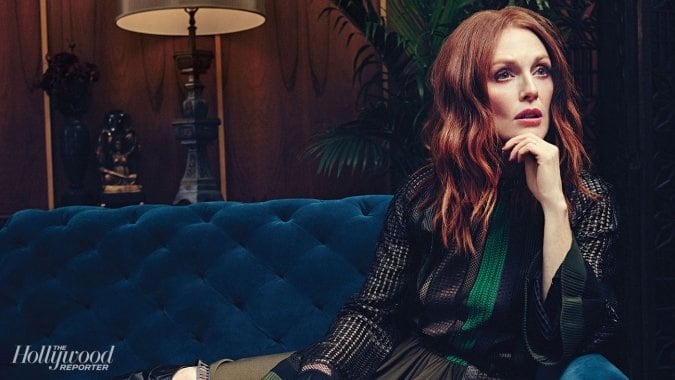

About The Hollywood Reporter
- Founded in 1930 in Hollywood
- Started as a trade publication for the motion picture business
- Now covers entertainment news for industry readers and a broader audience
- Appears in print, web, mobile, digital daily, and special print editions
- Known for cover photography and awards-season visibility
Read the full overviewWhat kind of publication is it?, How did it evolve from trade paper to media brand?, Why does it matter in visual culture?, What does it look like in practice?
What kind of publication is it?
The Hollywood Reporter is a trade publication with magazine-style presentation. That means it reports on an industry from within, covering deals, talent, production, distribution, awards campaigns, and the machinery behind films and television. Over time, it has also become a public-facing entertainment brand, with articles and imagery designed for readers outside the industry as well.
Its name reflects its origin in Los Angeles, where Hollywood functioned as both place and shorthand for the film business. The publication has always been tied to that ecosystem of studios, agents, publicists, stylists, photographers, and performers. In practice, it often shows up where commerce and image meet: a cover shoot, a festival feature, a nomination watch, or a profile timed to a release.
How did it evolve from trade paper to media brand?
Founded in 1930, The Hollywood Reporter began as a paper focused on the Hollywood motion picture industry. That early format was rooted in reporting the daily business of production and distribution rather than reviewing films as art. It served professionals who needed fast, practical information about the studio system and the people working inside it.
In the 21st century, the title broadened its scope and presentation. Its relaunch in 2010 marked a shift toward a wider entertainment audience and a more image-driven style, while still keeping its industry core. The oversized weekly magazine, website, digital daily, iPad edition, seasonal special reports, and events all reflect the same change: from a narrow trade paper to a multiplatform outlet that packages entertainment news as both business information and cultural media.
Why does it matter in visual culture?
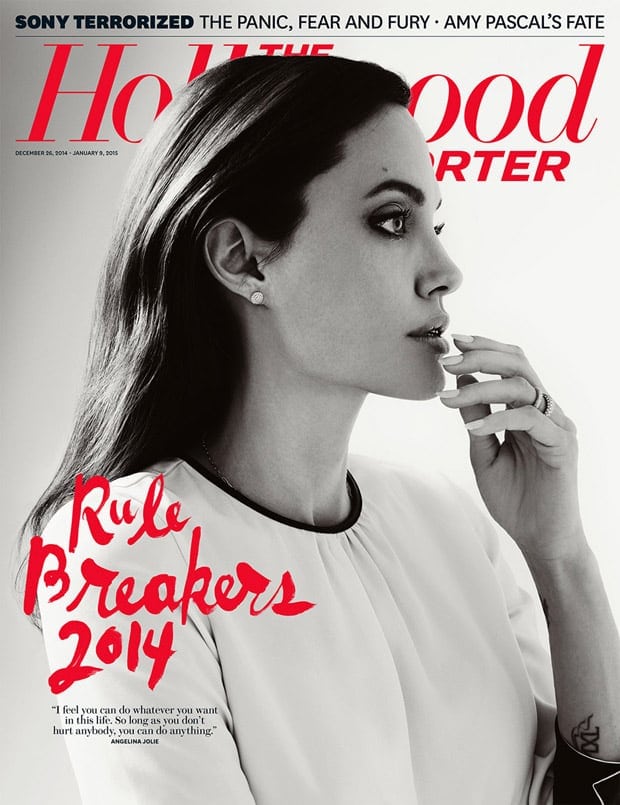
The Hollywood Reporter matters because it is one of the places where entertainment publicity becomes a visual object. Its covers are frequently built around commissioned portrait photography, not just headlines. Actors, directors, and musicians appear in polished setups that signal prestige, timing, and industry relevance.
For editors, photographers, stylists, and publicists, a cover in The Hollywood Reporter can function as part of an awards campaign or a carefully managed career moment. The publication helps shape the visual language of prestige entertainment: controlled lighting, formal poses, muted or luxurious styling, and a balance between personality and promotion. Those images do not just illustrate the news; they are part of how the news is made legible.
What does it look like in practice?
In practice, The Hollywood Reporter appears as a dense mix of reporting, industry analysis, photo-led features, and service journalism. A typical issue might combine an investigative piece on studio strategy, an awards-season roundtable, a celebrity cover, and a short news item on casting or distribution. The visual tone often leans sleek and cinematic, with high-production portraiture and clear typography.
Its special reports and glossy editions often sharpen that presentation further. These formats let the publication package a subject such as power players, women in entertainment, or a festival season into a collectible print object. The result is a publication that is both news source and image-maker, documenting entertainment while also helping to set its visual standards.
Frequently Asked Questions
Is The Hollywood Reporter a newspaper or a magazine?
It began as a trade paper and now operates as a magazine-style, multiplatform publication. The print edition is oversized and weekly, but the brand also publishes online, in digital daily form, and through special reports. The form has changed, while the industry focus has stayed central.
What does The Hollywood Reporter usually cover?
It covers film, television, awards, box office, talent deals, production news, and the business side of entertainment. It also publishes profiles, interviews, and cover features built around prominent figures in the industry. The coverage often blends reporting with publicity-aware presentation.
Why is it often mentioned in photography credits and cover stories?
Because the publication uses commissioned portrait photography as a major part of its editorial identity. A cover for The Hollywood Reporter is often a staged, carefully art-directed image that signals status and timing. That makes it a recurring reference point in celebrity, fashion, and editorial photography contexts.