
Vans is an American footwear and apparel company best known for canvas sneakers, skate shoes, and the waffle-soled vulcanized constructions that helped define modern skate culture. Founded in California in 1966, it built its reputation on durable shoes that could be worn on a board, modified by riders, and sold in a huge range of colors and graphics.
Stories from Vans
4 stories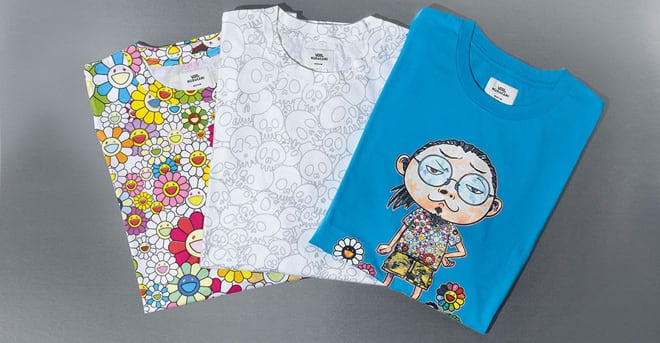


About Vans
| Founded | 1966 |
|---|---|
| Origin | Anaheim, California, United States |
| Known for | Skate shoes, slip-ons, vulcanized rubber soles, graphic collaborations |
| Parent company | VF Corporation |
| Core audience | Skaters, BMX riders, snowboarders, and fashion consumers |
Read the full overviewHow Vans began, What makes a Vans shoe different?, Why Vans matters in skate and design culture, How collaborations changed the brand
How Vans began
Vans started as The Van Doren Rubber Company, selling shoes directly from a factory and store in Anaheim. The early model was simple: make shoes in small runs, let customers choose from a handful of styles, and build them with a thick rubber sole that could grip a board. That mix of practical construction and straightforward retail made the brand stand out in Southern California’s surf and skate scene.
Its first widely recognized shoe, the Authentic, appeared in the late 1960s. The Era followed with padded collars and design input from skateboarders, helping turn Vans from a local shoe maker into a company tied to a specific sport and way of dressing. The brand’s checkerboard slip-ons later became one of the most recognizable shoes in casual fashion, partly through skate culture and partly through pop-cultural exposure.
What makes a Vans shoe different?
Vans shoes usually use a vulcanized rubber sole, made by heating the sole and upper together so the shoe flexes closely to the foot. This process gives the shoe the board feel skaters want, along with the flat profile and sticky grip that work on a deck. The iconic “waffle” tread pattern adds traction and became a signature detail across the range.
Materials matter here: canvas, suede, leather, and rubber appear in combinations chosen for wear, flexibility, and surface grip. Classic models such as the Old Skool, Sk8-Hi, and Slip-On are built from the same basic logic, but each serves a different use case, from ankle support to easier on-and-off wear. The shoes often show visible stitching, side stripes, and reinforced toe caps, which make the construction legible rather than hidden.
Why Vans matters in skate and design culture
Vans helped turn skate shoes into a distinct product category instead of a generic athletic shoe. It did this by serving riders directly, sponsoring events and teams, and leaving room for wear, customization, and repair-minded use. The company’s shoes became part of the visual identity of skateboarding itself: scuffed suede, flat soles, and low-profile silhouettes read as authentic because they were built for the activity.
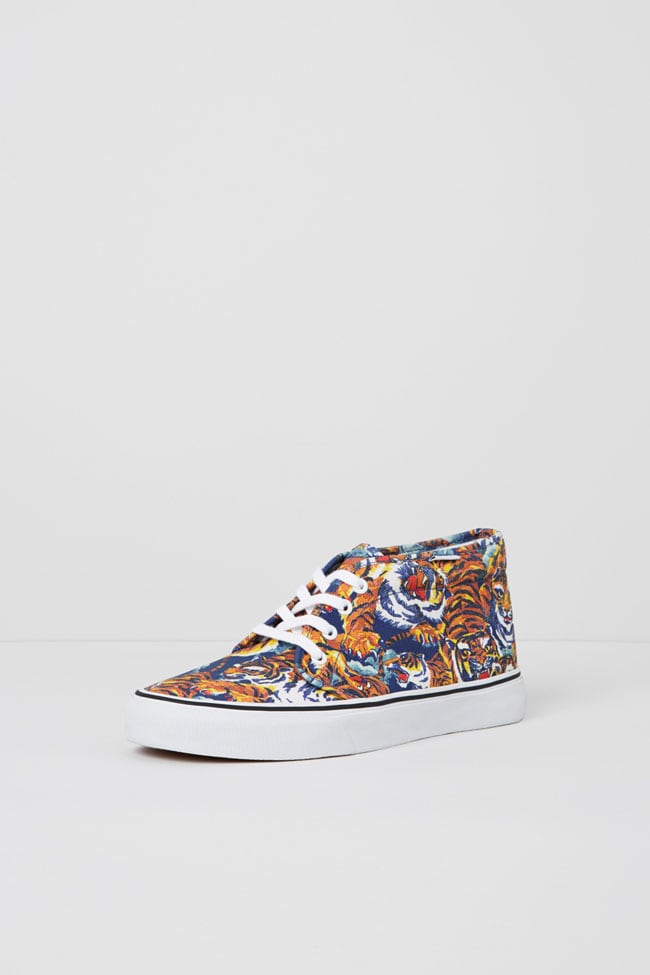
That practical identity also made Vans easy to absorb into fashion. The brand’s simple shapes and repeatable panels are suited to printed graphics, color blocking, and limited-edition releases. Designers and artists use that surface as a carrier for imagery, which is why collaborations often feel natural rather than forced.
How collaborations changed the brand
Vans has worked with artists, musicians, labels, and fashion houses for decades, but its collaboration strategy became especially visible through premium lines such as Vault by Vans. These releases use the same core silhouettes while changing materials, finishes, and graphics, allowing a familiar shoe to read differently in each edition. Takashi Murakami’s work, for example, fits easily onto Vans because his bright, repeatable motifs can wrap around a shoe without losing their graphic force.
That collaboration model shows how a utility object becomes a cultural surface. Vans can stay recognizable as a skate shoe while also functioning as a canvas for illustration, pattern, and brand storytelling. The result is a product that lives in several markets at once: sport, streetwear, and collectible design.
Frequently Asked Questions
Are Vans just skate shoes?
No. Skateboarding shaped the company’s identity, but Vans now makes shoes for casual wear, BMX, snowboarding, and fashion collections. The brand keeps the same basic construction ideas across many of these lines, even when the materials and profiles change.
What is a vulcanized sole?
A vulcanized sole is made by bonding rubber to the upper through heat, which creates a flexible but durable shoe. In Vans, this construction supports board feel and traction, which is why it became central to skate shoes. It also gives the shoes a low, flat appearance that helped define their look.
Why do artists and designers collaborate with Vans?
Vans shoes have simple panels and broad surfaces that take print, color, and pattern well. That makes them useful for collaborations, especially limited editions that need a familiar base with a strong visual twist. The brand’s association with youth culture also helps those collaborations feel aligned with the product rather than pasted onto it.