
Versace is an Italian luxury fashion house founded by Gianni Versace in 1978. It began as a ready-to-wear label and grew into a global brand known for sharply cut tailoring, body-conscious dresses, vivid prints, and a highly recognisable visual identity built from classical references, pop glamour, and overt sensuality.
Stories from Versace
7 stories


About Versace
- Founded in Milan in 1978 by Gianni Versace
- Known for bold colour, Medusa iconography, and opulent decorative motifs
- Works across clothing, accessories, fragrance, and home design
- Helped define the celebrity-driven fashion campaign of the 1980s and 1990s
- Associated with Italian luxury, theatrical styling, and exacting construction
Read the full overviewWhere did Versace come from?, What makes Versace’s style distinctive?, Why did Versace become so influential?, What does Versace look like in practice?
Where did Versace come from?
Gianni Versace grew up in Reggio Calabria, in southern Italy, where he learned garment making from his mother, who ran a dressmaking business. He later moved to Milan, the centre of Italian fashion and textile production, and launched his own label there with the support of family members. The company’s first boutique opened on Via della Spiga, a street that quickly became part of the brand’s image of polished urban luxury.
Versace entered the market at a moment when Italian fashion was expanding its international reach. The company benefited from the country’s strong textile and leather industries, and from a design culture that valued fabrication as much as silhouette. From the start, the label combined strong tailoring with lavish surface detail, often using silk, sequins, metallic finishes, leather, and printed jersey.
What makes Versace’s style distinctive?
Versace is identified with excess handled carefully: bright colour, baroque ornament, sculpted shapes, and a sense of drama. The house uses motifs such as the Medusa head, Greek keys, chain patterns, and lush floral prints to create pieces that read instantly even at a distance. Many garments rely on precise cut, but the effect is often bold rather than restrained.
That look appears in both eveningwear and daywear. A Versace dress may use bias-cut silk, strong shoulders, a high slit, or metal hardware to direct attention to the body. In menswear, the brand often combines immaculate tailoring with saturated colour, glossy fabrics, and open collars. The result is glamorous, but also highly constructed: the clothes depend on pattern cutting, fitting, embroidery, and print development as much as on decorative flair.
Why did Versace become so influential?
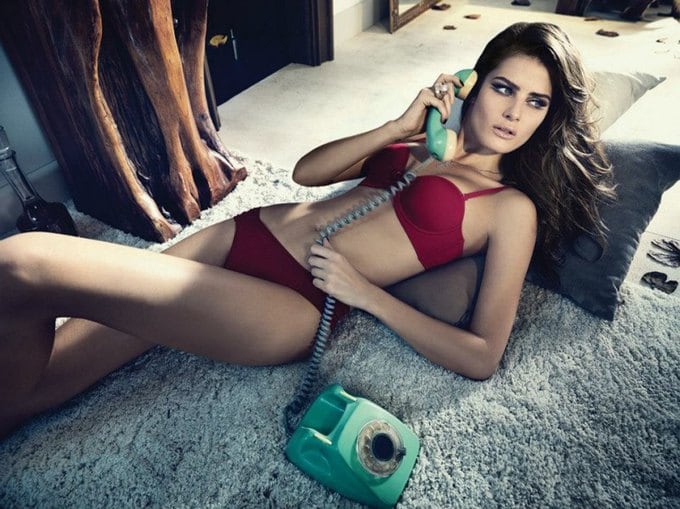
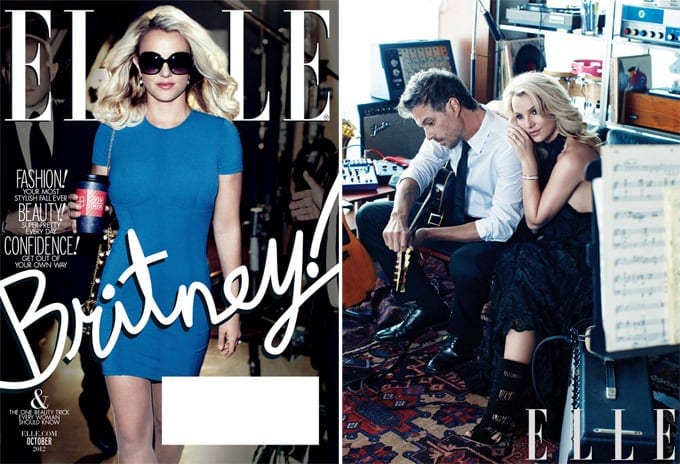
Versace helped turn the fashion house into a media image, not just a manufacturer of clothing. In the late 1980s and 1990s, the brand worked closely with photographers, models, musicians, and actors to create campaigns and runway moments that travelled far beyond the catwalk. Supermodels became part of the brand’s language, and the label’s advertising often used strong colour contrast, direct posing, and a polished, high-gloss finish.
The house also played a major role in shaping the idea of the designer as a public figure. Gianni Versace became known not only for his clothes but for his tastes, friendships, and cultural influence. After his death in 1997, the company continued under family leadership and later new ownership, but it retained the core visual codes that made it recognisable: theatricality, glamour, and an unabashed desire to be seen.
What does Versace look like in practice?
In practice, Versace shows up in garments that combine technical precision with statement-making surfaces. A jacket may be sharply tailored in wool or leather, then lined or trimmed with printed silk. A gown may use stretch jersey, cut to cling and drape, or silk satin embroidered with beads and crystals. Accessories often echo the same logic, using hardware, logos, and strong geometric motifs to signal the brand immediately.
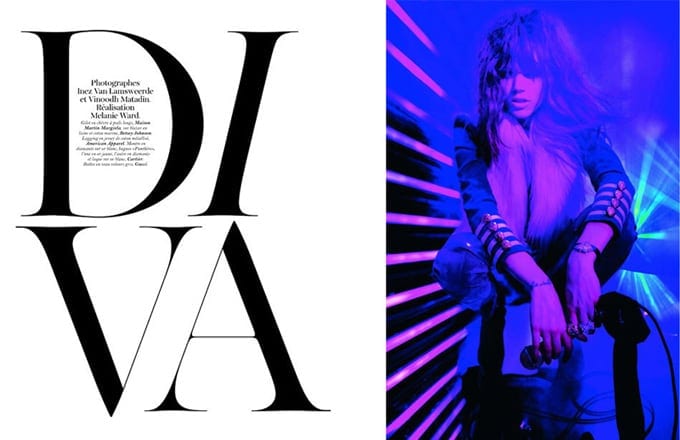
The label’s visual world extends beyond clothing into photography, set design, and retail interiors. Campaigns often place the clothes in controlled, glossy environments where lighting emphasises sheen, texture, and colour. Stores and packaging tend to use black, gold, and strong contrast, reinforcing the house style. Versace is therefore not only a fashion company but a complete graphic and material system built around luxury display.
Frequently Asked Questions
Is Versace still a family brand?
Versace began as a family business and remained closely associated with the Versace family for decades. After Gianni Versace’s death, family members played major roles in the company’s leadership and creative direction. The brand is now part of a larger corporate structure, but the family name and legacy still shape its public identity.
What kinds of materials does Versace use?
Versace often works with silk, wool tailoring fabrics, leather, jersey, chiffon, satin, and heavily embellished textiles. The house is known for combining luxurious materials with precise construction, so a garment may mix clean tailoring with embroidery, hardware, or printed surfaces. Material contrast is central to the brand’s look.
Why does Versace appear so often in fashion photography?
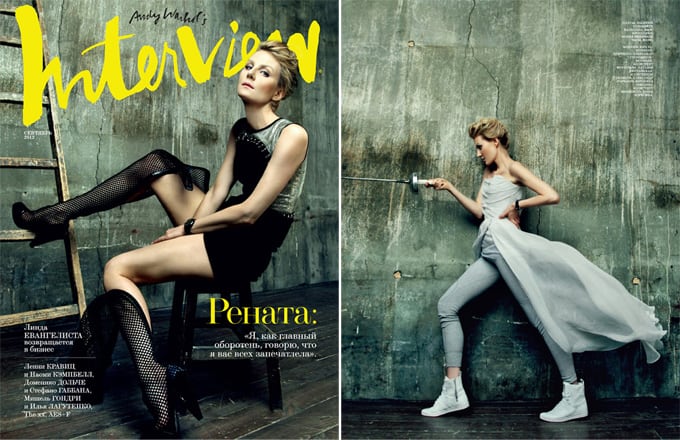
Versace clothes photograph strongly because they depend on colour, shine, and recognisable motifs. The brand also helped define the era of the fashion campaign as a cultural event, which made it attractive to photographers, magazines, and celebrity talent. Its pieces often read immediately in a still image, especially in glossy editorial and advertising contexts.