

In the world of cinema, the final scene of a film often leaves a more lasting impression than anything that precedes it. A single closing image can reframe everything the audience has just experienced — resolving tension, deepening ambiguity, or delivering a punctuation mark so precise that it elevates a good film into a great one.
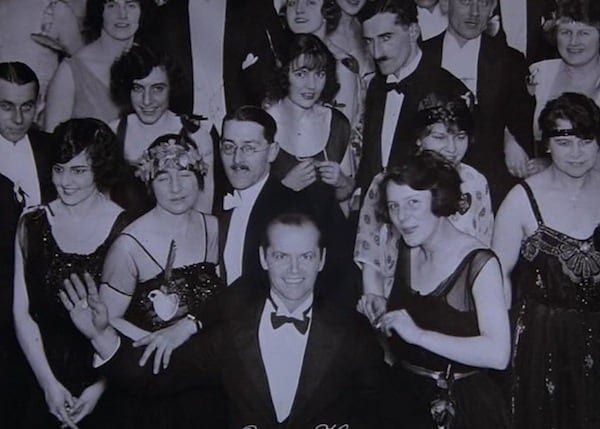
The Last Thing You See
A collection of final frames from celebrated Hollywood films turns this observation into a game: can you identify the movie from its very last image alone? The challenge is harder than it sounds. Without music, dialogue, or narrative momentum, the closing shot must stand on its own — which is precisely what makes it such a revealing unit of analysis.
The exercise draws attention to how much visual information a skilled filmmaker compresses into a single frame. The foggy airstrip of Casablanca, Scarlett O’Hara’s silhouette against a burning sky in Gone with the Wind, the wide Pacific horizon in The Shawshank Redemption — each of these images functions simultaneously as composition, symbol, and emotional conclusion. Stripped of context, they remain arresting; with context, they become iconic.
Endings as Mirrors of Their Era
Final frames also reflect the cultural moment in which a film was made. The optimism of The Wizard of Oz‘s homecoming, with Dorothy waking safely in her own bed, carried a particular weight for Depression-era audiences. The spinning top in Inception‘s final seconds spoke to a generation accustomed to narratives that refuse to resolve cleanly. Context changes the meaning of images, and the closing shot — precisely because it is the last thing we see — absorbs the most context of all.
Paying attention to final frames is a form of film literacy. It invites viewers to think about cinematography, color, framing, and composition as narrative tools rather than merely aesthetic ones. The way a scene is lit, where the camera is placed, what remains in frame and what falls outside it — all of these decisions are never more deliberate than in the last shot a director chooses to show. Studying them is, in its own way, a short course in what cinema can do.
More in
Cinema
All Cinema


