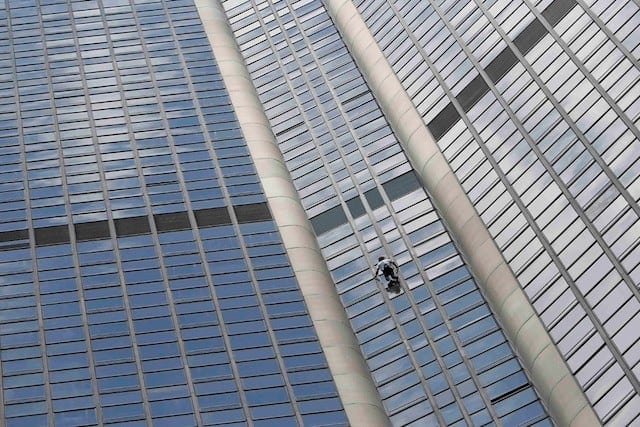
Montparnasse is a district in southern Paris known for its role as a modern urban quarter, its early twentieth-century artistic life, and the tower that now marks its skyline. It sits on the Left Bank, around the intersection of Boulevard du Montparnasse and Rue de Rennes, and today forms part of the 14th arrondissement.
- Located on the Left Bank of the Seine in southern Paris
- Known for cafés, studios, theatres, and student life in the early twentieth century
- Associated with artists and writers who worked and met there
- Best known today for the Tour Montparnasse, a major office tower
Where is Montparnasse?
Montparnasse is not a single monument or neighbourhood in the strict historical sense so much as a named urban area within Paris. Its centre is usually described around Boulevard du Montparnasse and Rue de Rennes, near the border of the 6th, 14th, and 15th arrondissements. The area grew from a suburban edge of the city into a dense part of the capital as Paris expanded.
The name itself predates the modern district. It comes from an old student joke comparing a local mound of rubble to Mount Parnassus, the home of the Muses in Greek myth. That playful origin suits the place’s later reputation as a quarter for poets, painters, performers, and thinkers.
Why did artists gather there?
Montparnasse became famous in the late nineteenth and early twentieth centuries as a cheaper, more open alternative to Montmartre. Studios, workshops, cafés, and rooms to rent drew a mix of French and foreign artists who wanted space, conversation, and lower costs than the grand central districts. The cafés were not just social settings; they functioned as informal workplaces where people met patrons, argued over theory, and arranged exhibitions.
Many major figures passed through Montparnasse, including Amedeo Modigliani, Pablo Picasso, Constantin Brâncuși, and Man Ray, along with writers such as Ernest Hemingway and Samuel Beckett. Their presence gave the area an international reputation, and the name came to stand for a whole style of modern artistic life: mobile, experimental, cosmopolitan, and often precarious.
What does Montparnasse look like in practice?
The Montparnasse associated with art history was made of cafés, narrow streets, cheap studios, and apartment buildings rather than grand civic architecture. Its image was shaped by interiors as much as by streets: smoke-filled rooms, small tables, easels, sketchbooks, and the constant circulation of people between one gathering place and another. It was a district built on proximity, with daily life and artistic production often occurring in the same rooms.
That older atmosphere still survives in fragments, but the area is now more mixed and commercial. Office blocks, transport hubs, chain shops, and hotels sit beside older cafés and theatres. The Tour Montparnasse, finished in 1973, changed the skyline dramatically and made the district a symbol of postwar redevelopment as much as of bohemian Paris.
Why does Montparnasse still matter?
Montparnasse matters because it shows how a city district can become an artistic brand through repeated use, shared habits, and memory. The place was never only a backdrop; it shaped the work done there by concentrating cheap space, social contact, and a lively public culture. That combination helped modern art and literature develop in everyday settings rather than only in academies or museums.
It also matters because its reputation has outlasted many of the conditions that created it. The studios and cafés of the early twentieth century have largely been replaced, but the name still carries ideas about creative independence, migration, and urban modernity. In that sense, Montparnasse is both a real district and a cultural shorthand for a particular kind of Parisian making.
Frequently Asked Questions
Is Montparnasse a neighbourhood or a single building?
Montparnasse is a district in Paris, not a single building. The name refers to a broad area on the Left Bank, though many people now associate it most strongly with the Tour Montparnasse. In older usage, it also pointed to the cafés and streets around the original artistic quarter.
Why is Montparnasse linked to modern art?
Montparnasse offered affordable rooms, studios, and meeting places at a time when many artists were looking for exactly that. The cafés created a dense social network where ideas moved quickly between painters, sculptors, writers, and critics. That made the area a key node in the growth of modernism.
What is Montparnasse known for today?
Today Montparnasse is known for its transport links, office buildings, theatres, and its historical association with artists and writers. The Tour Montparnasse dominates the skyline and is one of the area’s most visible landmarks. Even so, the district still carries the memory of its bohemian past in its cafés and cultural institutions.
At a glance
- Address
- 14th arrondissement of Paris, France
- Coordinates
- 48.843639, 2.323811
Articles mentioning Montparnasse