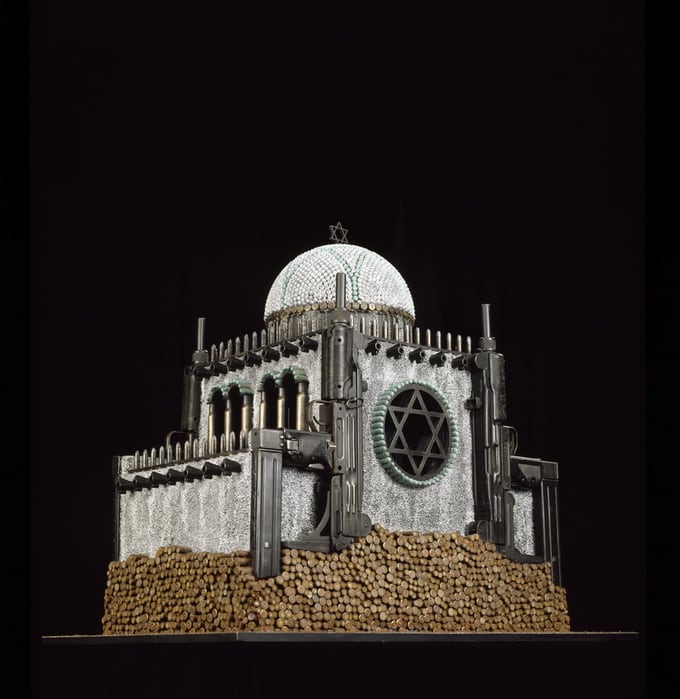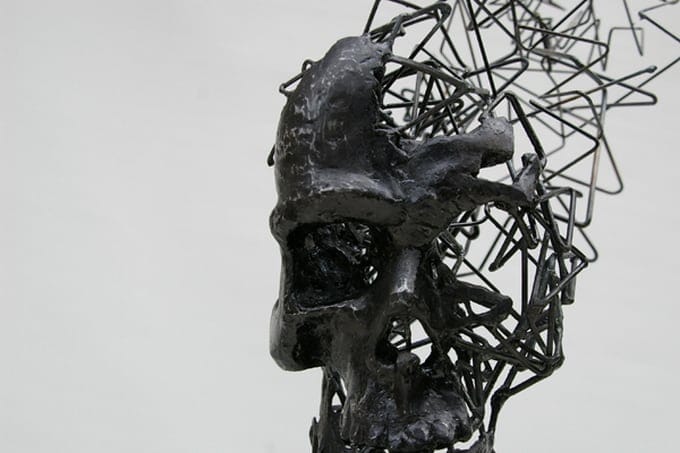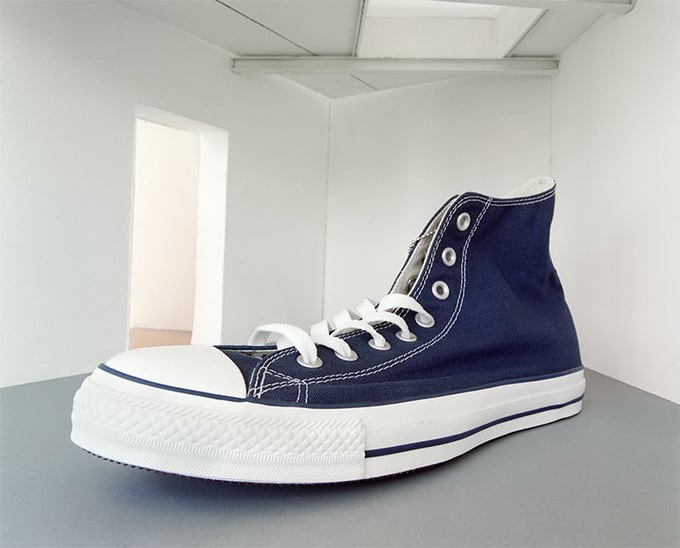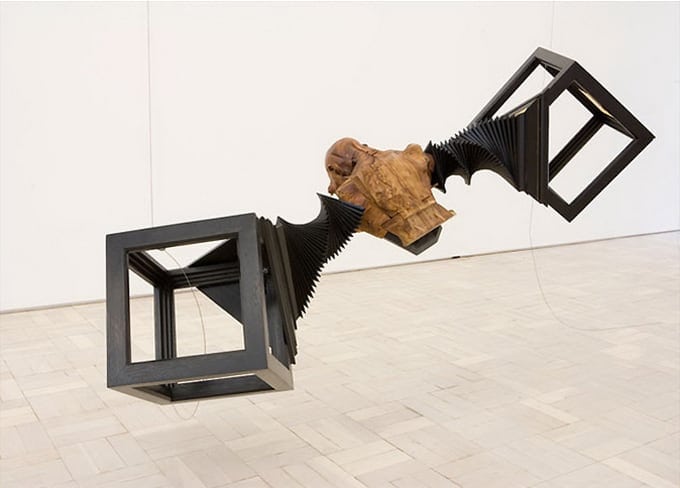
Artistic fusion of discarded prototypes showcasing transforming scientific discards in a vibrant, colorful sculpture.

Transforming Scientific Discards: Ruben Moutinho’s Vibrant Fusion Sculptures

User avatar placeholder
Written by Flynn Matthews

2026-10-18

Innovative Art from Industrial Remnants

Industrial designer and researcher Ruben Moutinho reimagines discarded research prototypes and experimental models, transforming scientific remnants into unique sculptural objects. This project, titled “The Form That Remained,” sources materials directly from scientific and technological projects. By preserving technical geometries and surface treatments, the sculptures reveal their origins while embracing their new identities.

Sculptural piece made from reassembled technological components and vibrant colors.
Sculpture made of various discarded objects showing diverse textures and shapes.
all images ©Ruben Moutinho

Strata: A Material Exploration in Transforming Scientific Prototypes

At the heart of the collection is “STRATA,” a complex material process involving cutting, fragmenting, and fusing components from single research initiatives. This method highlights technical structures mixed with organic forms, presenting a myriad of colors, textures, and materials. Moutinho’s techniques involve reworking these remnants and converting temporary, functional prototypes into enduring sculptural artifacts with irregular geometries and layered surfaces. Through this artistic journey, Ruben Moutinho excels in creating captivating art from such discards.

For more inspiration on transforming everyday items into art, explore how designers transformed café waste into innovations during Paris Design Week, showcasing creative reuse.

Sculptures made from discarded research prototypes into unique art pieces.
the collection converts discarded prototypes and research fragments into unique sculptural objects
Discarded technological components sourced from scientific development archives.
physical components are harvested directly from scientific and technological development archives
Decommissioned models reveal experimental shapes influenced by previous technical purposes.
discarded models retain geometries shaped by technical requirements and experimental testing
Sculpture shows persistence of physical materials beyond their functional life.
the project examines how physical matter persists after its functional utility expires
Cut and fragmented components reassembled in collage and overlapping style.
components are cut, fragmented, and reassembled using techniques of collage and overlapping
Sculptural volume merging technical and organic elements into a cohesive piece.
technical structures intersect with organic configurations within a single sculptural volume
Original material colors and textures featured in exposed production method.
the production method exposes the original colors, textures, and material properties of each part
Final shapes of objects influenced by unpredictable material behaviors.
unpredictable material behaviors influence the final geometry of each completed object
Layered textures, irregular outlines, contrasting colors on sculpture's surface.
surfaces feature layered textures, irregular silhouettes, and contrasting color combinations
Functional components repurposed as permanent structures in artistic form.
obsolete functional components are reframed as permanent artistic structures
Artistic fusion of discarded prototypes showcasing transforming scientific discards in a vibrant, colorful sculpture.

Source: designboom.com

Frequently asked questions

What is Ruben Moutinho’s art project called?

Ruben Moutinho’s art project is titled ‘The Form That Remained.’

What materials does Moutinho use for his sculptures?

Moutinho uses discarded research prototypes and experimental models, sourcing materials directly from scientific and technological projects.

What is the focus of ‘STRATA’ in Moutinho’s collection?

The focus of ‘STRATA’ is a complex material process involving cutting, fragmenting, and fusing components from single research initiatives, mixing technical structures with organic forms.

Menu