Rebranding is a classic strategy to improve a product’s reputation. In 2000, prunes became “dried plums,” and the unappealing Patagonian toothfish was transformed into the more attractive Chilean Sea Bass. Similarly, political advisors like Frank Luntz suggested using “climate change” instead of “global warming” for a milder connotation. Recently, Elon Musk took issue with a term, “slopcore,” used to describe AI music, and proposed “awesomecore” instead, marking a new era of terminology overhaul.
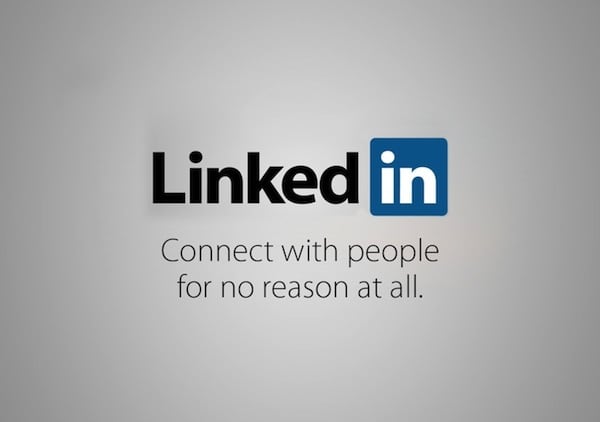
Transitioning from rebranding topics, brand reactions to logo transformations illustrate how companies tackle perception issues creatively.
Ai Music Rebranding: A Battle Over Perception
This isn’t just a jest. Musk is serious, echoing President Trump‘s attempt to rebrand “artificial intelligence” as “super intelligence.” The public backlash indicates dissatisfaction, a reality even keen AI advocates cannot ignore. Historical rebrands, like Philip Morris becoming Altria and Royal Mail’s temporary identity as Consignia, emphasize that changes often signal toxicity rather than success. The current attempts at changing perceptions about AI music reveal similar challenges.

The truth is, the public is waking up. People aren’t embracing AI music or data centers. In the US, a Gallup survey revealed 70% opposition to local data center developments, and Data Center Watch noted $68 billion worth of projects blocked or delayed due to pushback between April and June. These developments reflect a broader trend in efforts to relabel this musical genre meeting resistance.
For creatives, this is reassuring. The AI elite’s attempts to promote a new image indicate a losing battle. This isn’t a stance against AI tools, but rather an acknowledgment of the flood of autogenerated content overshadowing genuine creativity. Public awareness is growing, and they’re vocal about rejecting “slop.” Musk can call it awesomecore all he likes, but regarding efforts to change public opinion, the underlying issues persist. Ultimately, he just sounds like he’s trying to sound appealing.
While Musk seeks to promote ‘awesomecore’, Xiaomi’s AI investment indicates serious attempts to influence public perception through strategic funding.
A solid brand reflects what people say about you in your absence. Currently, they’re saying “slop.” Musk’s terminological shift feels like a schoolyard nickname attempt—far from convincing in the wider sphere of AI branding.


Sources & Links
Source: creativebloq.com
Frequently asked questions
What term did Elon Musk propose for AI music?
Elon Musk proposed the term ‘awesomecore’ instead of ‘slopcore’ for AI music.
How did the public react to rebranding AI music?
The public backlash indicated dissatisfaction with the rebranding of AI music, reflecting challenges in changing perceptions about this genre.
What is the public’s opinion on local data center developments?
In the US, a Gallup survey revealed 70% opposition to local data center developments, indicating a broader resistance trend.
More in