
Annie Leibovitz is an American portrait photographer known for highly staged celebrity images that mix studio lighting, costume, narrative props, and a strong sense of character. Her pictures have defined how stars appear in magazines, especially in Vanity Fair and Vogue, where she helped turn portraiture into a form of editorial theater.
Stories from Annie Leibovitz
9 stories


About Annie Leibovitz
- Field: portrait photography and editorial photography
- Born: 1949, in Waterbury, Connecticut, United States
- Known for: celebrity portraits, magazine covers, and elaborate photo shoots
- Major publications: Vanity Fair, Vogue, and Rolling Stone
- Style: controlled lighting, dramatic posing, sets, costumes, and direct collaboration with subjects
Read the full overviewHow did Annie Leibovitz become so influential?, What does an Annie Leibovitz portrait look like?, Why does she matter in magazine culture?, What kinds of shoots is she best known for?
How did Annie Leibovitz become so influential?
Leibovitz first became widely known at Rolling Stone in the 1970s, where she photographed musicians and cultural figures with an intimacy that still felt composed. Her early work balanced documentary energy with precise framing, making her images look immediate without seeming casual. That approach helped set a new standard for magazine portraiture.
She later moved into more elaborate editorial work, especially for Vanity Fair and Vogue. In those settings, the photograph often became a small production: stylists, set designers, makeup artists, and art directors all contributed to the final image. Leibovitz became one of the photographers most associated with that mode of image-making.
What does an Annie Leibovitz portrait look like?
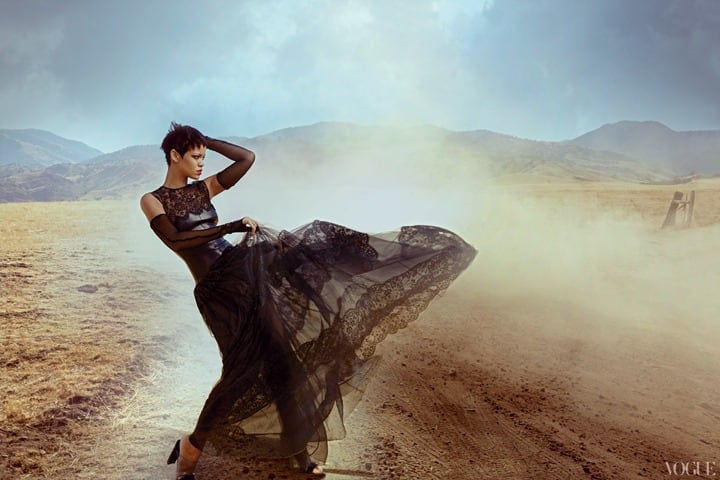
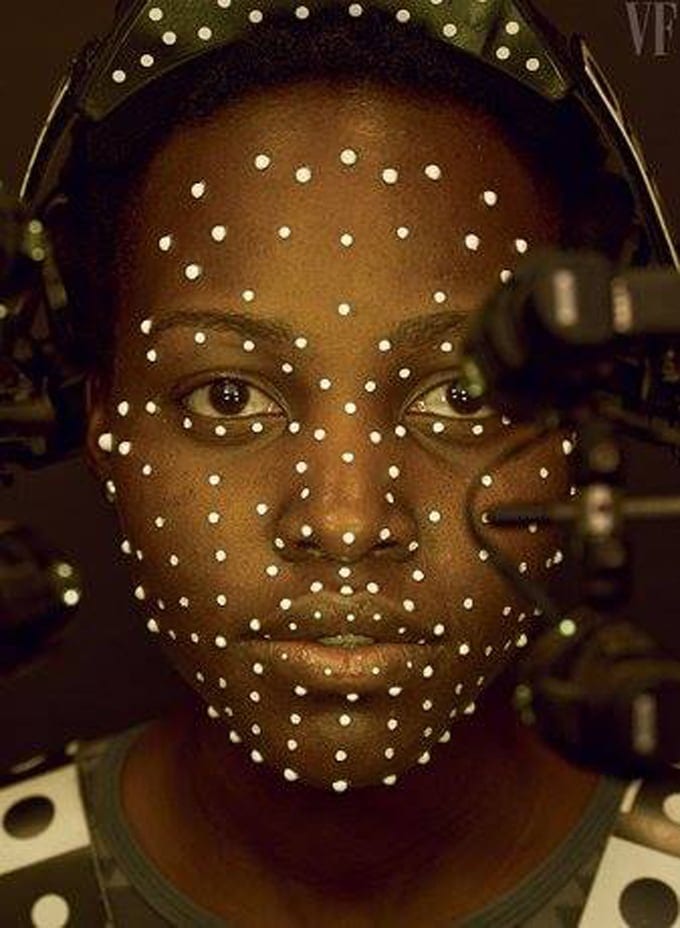
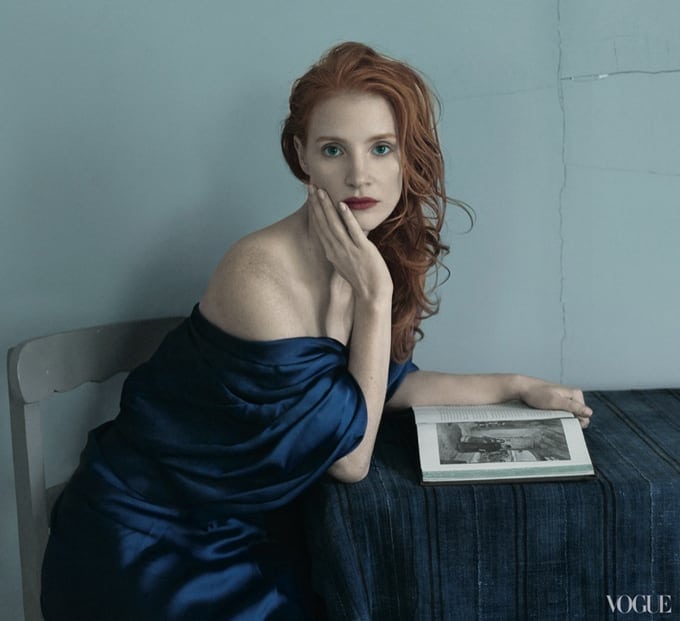
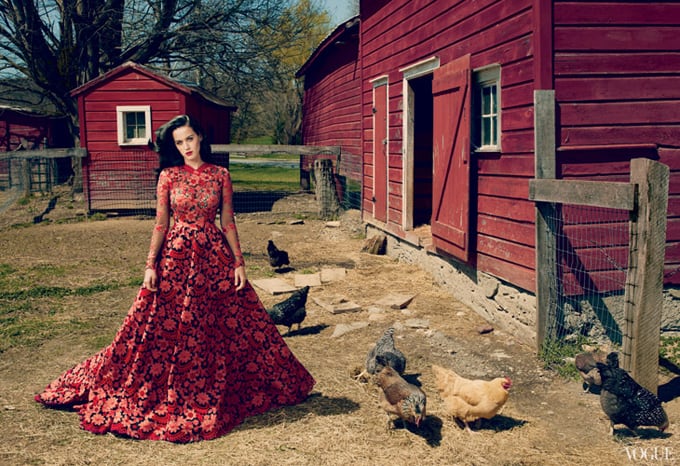
A Leibovitz portrait usually looks carefully built rather than found. Subjects often appear in strong poses, under dramatic light, with costumes or props that suggest a role, a character, or a story. The image may be polished and theatrical, but it often still aims to reveal something recognizable about the sitter’s public image.
Her best-known portraits are not uniform in style, but they share a controlled visual grammar. She uses color and shadow for emphasis, places bodies and objects with great attention, and often works at large scale so the image can hold detail. The result is portraiture that reads like both a photograph and a performance.
Why does she matter in magazine culture?
Leibovitz helped shape the modern celebrity portrait as a high-production editorial object rather than a quick likeness. In her hands, the magazine spread became a place for visual narrative, not just documentation. That shift influenced how fashion magazines, entertainment coverage, and cover photography approached famous subjects.
Her images also show how editorial photography can borrow from cinema, theater, and advertising without losing its own identity. Many later photographers adopted the same combination of spectacle and biography: a face, a costume, a set, and a story condensed into a single frame.
What kinds of shoots is she best known for?
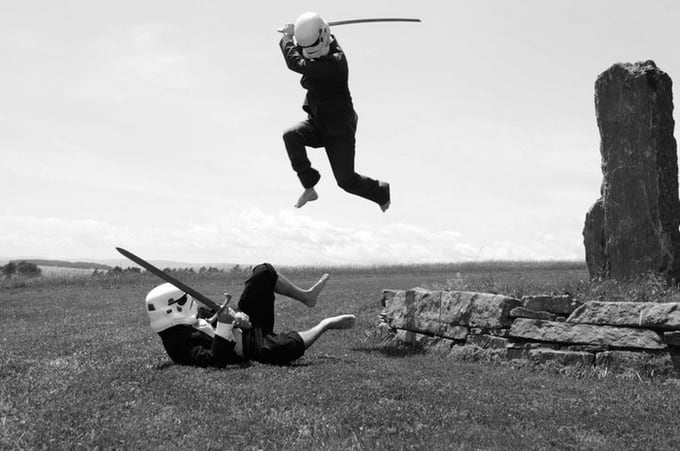
Leibovitz is strongly associated with portraits of actors, musicians, and other public figures, especially for major magazines. She has photographed subjects such as Rihanna, Katy Perry, Jessica Chastain, and casts from large franchises like Game of Thrones and Star Wars. These assignments show how her style works across both individual portraits and group tableaux.
She is also known for images that place the subject in a carefully chosen visual world rather than against a neutral backdrop. That world may be spare or crowded, but it is rarely accidental. Every element tends to support the mood of the picture, from lighting and wardrobe to gesture and set dressing.
Frequently Asked Questions
Is Annie Leibovitz mainly a fashion photographer?
Not exactly. Her work overlaps with fashion because it often involves styling, couture, and magazine production, but her central subject is usually the portrait rather than the garment. Even when clothing is important, the image usually aims to construct a public persona or narrative around the sitter.
What makes her portraits different from candid celebrity photography?
Leibovitz builds images through planning, collaboration, and staging. Candid photography depends on chance and speed, while her work depends on composition, lighting, and direction. The final image is designed to feel revealing, but it is usually the product of a controlled set.
Why is her name so often linked to magazine covers?
Her covers helped define the look of prestige editorial photography in the late twentieth and early twenty-first centuries. Magazine covers offered a public stage for her dramatic style, and her pictures often became part of the publication’s identity. That visibility made her one of the most recognizable photographers working in print culture.