
Bangladesh is a South Asian country on the Bay of Bengal, bordered by India on the west, north and east and by Myanmar on the southeast. It was created in 1971 after a war of independence from Pakistan, but it also belongs to a much older Bengal region shaped by the Bengali language, river systems and a dense history of trade, scholarship and agriculture.
Stories from Bangladesh
8 stories




About Bangladesh
| Official name | People’s Republic of Bangladesh |
|---|---|
| Capital | Dhaka |
| Official language | Bengali |
| Region | South Asia; historic Bengal |
| Population | Over 170 million |
| Landscape | River delta, floodplains, coastal plain |
Read the full overviewWhat makes Bangladesh distinct?, How did Bangladesh come into being?, What does Bangladesh look like in architecture and design?, Why does Bangladesh matter in visual culture?
What makes Bangladesh distinct?
Bangladesh is defined as much by water as by land. The Ganges, Brahmaputra and Meghna rivers spread across the country in a vast delta, leaving behind alluvial soil that supports rice, jute, tea and vegetables, but also making the country vulnerable to floods, cyclones and erosion. That geography has shaped settlement, architecture and daily life: homes often sit on raised plinths, and roads, embankments and drainage systems matter as much as buildings.
It is also one of the world’s most densely populated countries, with a large urban-industrial economy and a long rural craft tradition. Dhaka and Chittagong anchor manufacturing, shipping and design production, while villages across the country continue practices in weaving, pottery, bamboo work and metalwork. The result is a place where rapid modernisation sits alongside older material cultures rather than replacing them completely.
How did Bangladesh come into being?
The modern state emerged from the partition of British India in 1947, when Bengal was divided and the eastern part became East Pakistan. Political and cultural tensions grew quickly: Bengali language and identity were suppressed, economic power was concentrated in West Pakistan, and the region’s majority population was denied a full share in government. The Language Movement of 1952 became a defining moment, and the Liberation War of 1971 ended with the creation of independent Bangladesh.
That history still matters in the country’s visual culture. Bengali script, nationalist iconography and memorial architecture appear constantly in public life, from martyrs’ monuments to protest graphics and state emblems. The annual observance of Language Movement Day and Independence Day keeps language, memory and nationhood tightly linked.
What does Bangladesh look like in architecture and design?
Bangladeshi architecture often works with brick, concrete, light and shade. Brick has a particular importance because it is widely available and durable in a humid, flood-prone climate; many contemporary buildings in Bangladesh use exposed brick walls, perforated screens and deep verandas to handle heat and rain while creating texture. In rural areas, mud, bamboo, timber and corrugated metal remain common building materials.
The country has produced influential modern architecture, especially in the work of Muzharul Islam and later architects such as Louis Kahn’s collaborators in Dhaka, whose buildings turned climate control into a visual language. Mosques, civic buildings and institutions often use strong geometric forms, recessed openings and carefully controlled light. At the same time, temporary and vernacular structures remain central: flood shelters, riverbank housing and market pavilions are part of the built environment, not exceptions to it.
Why does Bangladesh matter in visual culture?
Bangladesh matters because it combines high production volume with strong local form. The country is a major garment manufacturing centre, so its factories and labour conditions sit behind a large part of global fashion imagery. At the same time, Bangladeshi photographers, filmmakers, architects and designers work from a dense social reality marked by migration, climate risk, religious diversity and urban crowding, which gives the country’s visual output a directness often absent from more polished design markets.
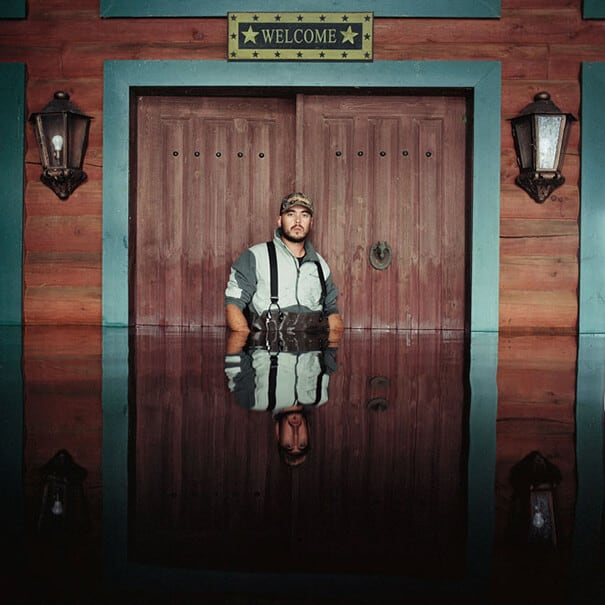
Climate change has also made Bangladesh a frequent subject in journalism and documentary work. Sea-level rise, salinity intrusion, river erosion and displacement affect coastal and delta communities, producing images of adaptation as much as disaster. For FreeYork, Bangladesh is significant not just as a location, but as a place where material life, environmental pressure and design response are tightly bound together.
Frequently Asked Questions
Is Bangladesh the same as Bengal?
No. Bengal is the larger historic and cultural region, now split between Bangladesh and the Indian state of West Bengal. Bangladesh occupies the eastern part of that region and became an independent country in 1971. The shared Bengali language and many cultural forms connect the two, but they are separate political entities.
Why is brick so common in Bangladeshi architecture?
Brick suits the country’s climate and building economy. It is practical in a delta landscape where timber can be scarce, moisture is high and flooding is a constant issue. Architects also use brick for its visual warmth and for the way it can be laid into screens, patterns and load-bearing walls.
What is Bangladesh best known for internationally?
Internationally, Bangladesh is known for garment manufacturing, a large and energetic diaspora, and its vulnerability to climate change. It is also recognised for its literature, especially works in Bengali, and for architecture that responds sharply to climate and density. Those strands give the country a presence that is economic, cultural and environmental at once.