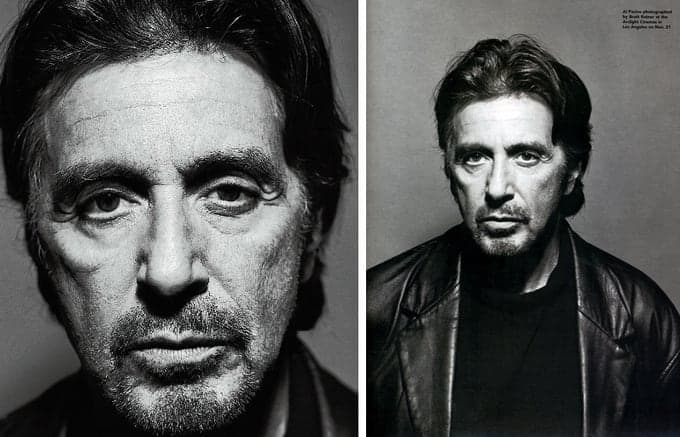
Brett Ratner is an American film and music video director and producer known for commercial studio entertainment, especially action comedies, thrillers, and celebrity-driven music videos. His work spans blockbusters such as the Rush Hour series, Red Dragon, X-Men: The Last Stand, and Tower Heist, along with producing credits in television, including Prison Break.
| Born | March 28, 1969 |
|---|---|
| Nationality | American |
| Known for | Film directing, producing, and music video direction |
| Notable projects | Rush Hour, The Family Man, Red Dragon, X-Men: The Last Stand, Tower Heist, Prison Break |
| Alias | Ratner |
What kind of director is Brett Ratner?
Ratner built a career on high-visibility studio projects with broad commercial appeal. His films often combine fast pacing, recognizable stars, and clean, straightforward visual storytelling. In practice, that means polished action scenes, sharp editing, and a focus on performance over formal experimentation.
He became especially associated with the late-1990s and 2000s model of mainstream Hollywood filmmaking, where directors often moved between features, music videos, and television production. That range matters because it shows how a director can work across different formats while keeping a consistent emphasis on entertainment and spectacle.
How did he become known?
Ratner first gained prominence through music videos and then moved into features. That path was common for directors who came of age in the MTV era: short-form work offered a place to sharpen rhythm, image selection, and the management of stars. In his case, that sensibility carried into films that relied on kinetic pacing and accessible storytelling.
His breakthrough came with commercially successful features, most notably Rush Hour, which paired action choreography with comic timing and made efficient use of its lead actors’ chemistry. Later projects such as Red Dragon and X-Men: The Last Stand placed him inside large franchise systems, where the job involved coordinating expensive production design, effects work, and ensemble casting.
What does his work look like in practice?
A Ratner-directed film typically privileges clarity. Scenes are staged so that the viewer can track who is doing what, where the action is happening, and how the joke or plot point lands. He tends to favor a glossy, studio-friendly finish rather than visible stylistic strain. The result is work that is easy to watch and easy to distribute, which is one reason it fit the commercial film market so well.
His production work on television, including Prison Break, extends that same logic into serialized storytelling. The emphasis shifts from one feature-length arc to repeated suspense, character recognition, and efficient set-piece construction. Across formats, the common thread is industrial entertainment built for mass audiences rather than art-house distinction.
Why does Brett Ratner matter?
Ratner matters because he represents a recognizable lane within late-20th- and early-21st-century Hollywood: the director as high-functioning studio craftsman, moving between action, comedy, thriller, and music video. His career helps explain how big-budget entertainment is assembled through collaboration among directors, producers, actors, editors, and studio systems.
He also appears in discussions of celebrity culture and visual authorship. His name can signal a particular kind of mainstream polish, but it can also surface in debates about power, access, and reputation in the entertainment industry. For readers trying to understand how popular screen culture is made, his career offers a clear example of commercial direction at scale.
Frequently Asked Questions
What is Brett Ratner best known for?
He is best known for directing the Rush Hour films and other large studio features such as Red Dragon, X-Men: The Last Stand, and Tower Heist. He also worked in music videos and television production, which broadened his profile beyond feature films.
What style is associated with his films?
His films are usually built around speed, clarity, and commercial appeal. They rely on star power, legible action, and straightforward narrative construction rather than highly experimental form. That makes them useful examples of mainstream Hollywood craft.
Why is he mentioned in a page about photography?
When his name appears in a visual-culture context, it is usually because of his relationship to image-making more broadly, including music videos, celebrity portraiture, or behind-the-scenes photography connected to his projects. His career sits close to the industries where moving images, publicity stills, and performance photography overlap. That makes him relevant even outside cinema proper.
Articles mentioning Brett Ratner