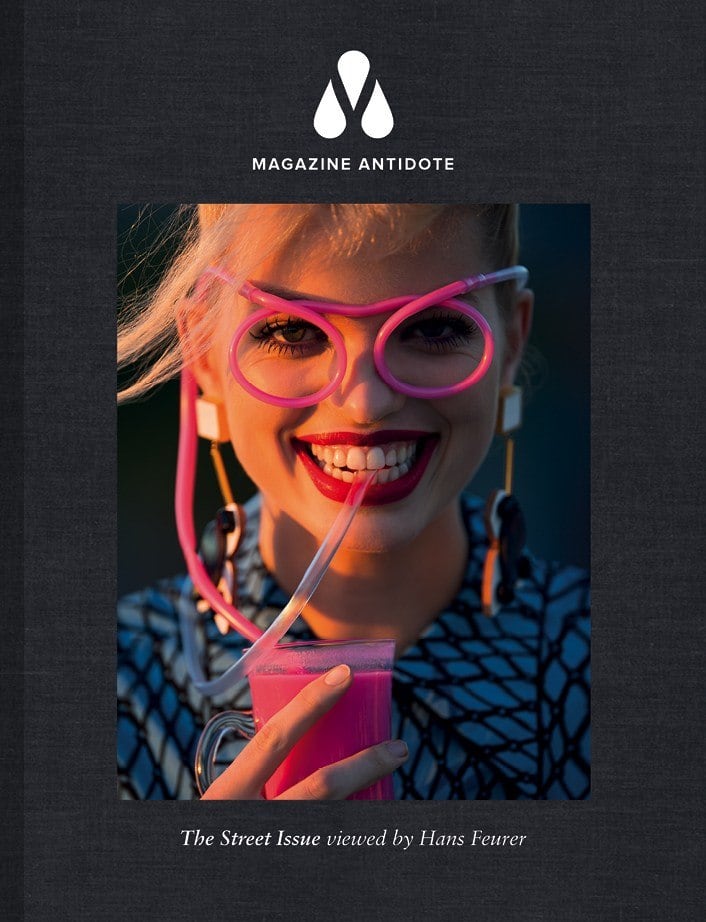
Daphne Groeneveld is a Dutch fashion model known for her high-profile editorial work in the early 2010s, especially her appearance on the December/January 2010 cover of Vogue Paris with Tom Ford. She was born in 1994 in Leiderdorp, Netherlands, and became one of the recognisable faces of the period’s glossy, stylized fashion imagery.
- Worked mainly as a fashion and editorial model rather than a runway-only model.
- Broke through with a major Vogue Paris cover at a very young age.
- Appears in fashion magazines and campaign imagery where expression and attitude matter as much as pose.
- Associated with the visual language of early-2010s luxury fashion: sharp styling, cool detachment, and polished beauty imagery.
How Daphne Groeneveld entered fashion
Groeneveld came up through the Dutch model circuit and was quickly picked up for international editorial work. Her rise fits a familiar fashion-industry pattern: a young model with a striking, slightly unusual face is cast by magazine editors and image-makers who want something that reads as fresh rather than generic. That look, combined with a strong camera presence, pushed her into circulation across European and global fashion titles.
Her most visible early milestone was the Vogue Paris cover shot with Tom Ford. A cover of that scale matters because it signals editorial approval from one of fashion publishing’s most influential platforms. For a model, it can turn a working face into a recognisable reference point for stylists, photographers, and brands.
What kind of model is she?
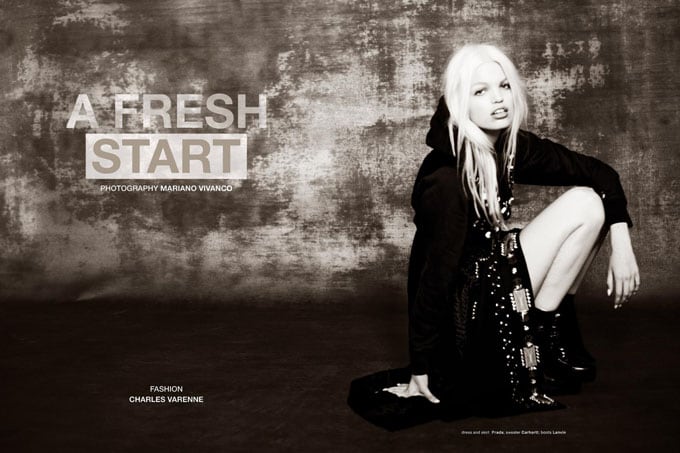
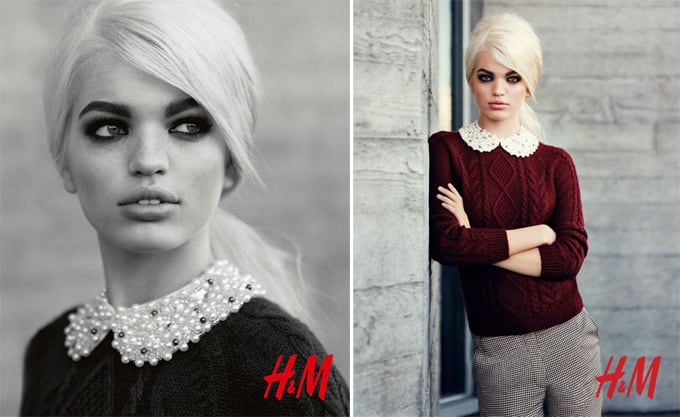
Groeneveld is best understood as an editorial and campaign model. Editorial modelling depends on mood, composition, and character; the clothes and setting matter, but so does the image’s emotional tone. In that setting, Groeneveld’s appeal has often been a mix of softness and edge: clear features, a pale blonde look, and a face that can read as youthful, impassive, or slightly mischievous depending on styling.
That flexibility makes her useful in print and advertising. She can suit luxury beauty campaigns, tightly art-directed magazine spreads, and commercial-fashion work where the brand wants polish without losing a sense of personality. The repeated use of her image across magazines and campaigns suggests not just beauty, but reliability in front of the lens.
Why fashion magazines used her image
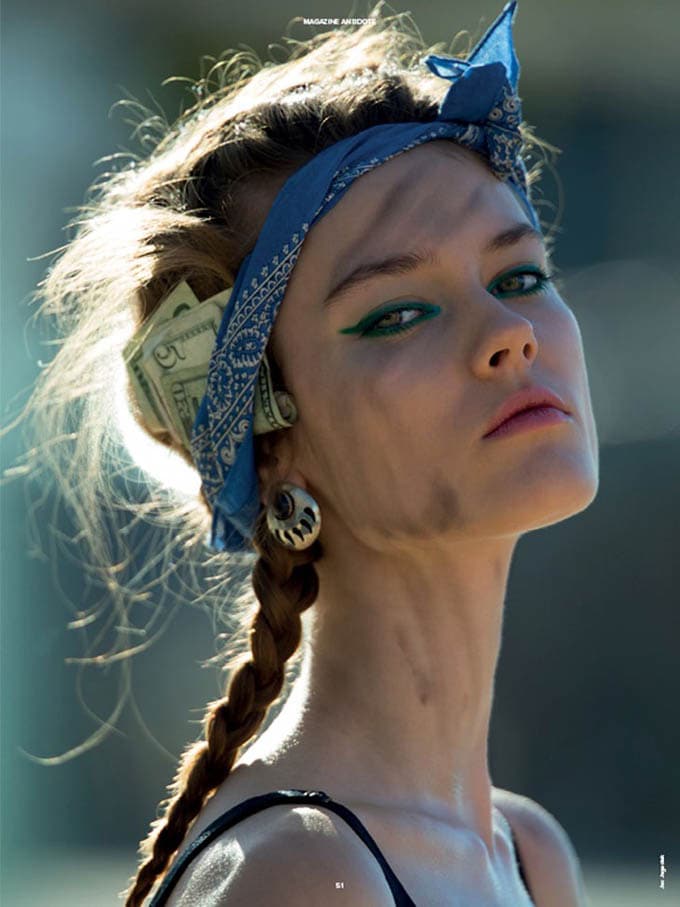
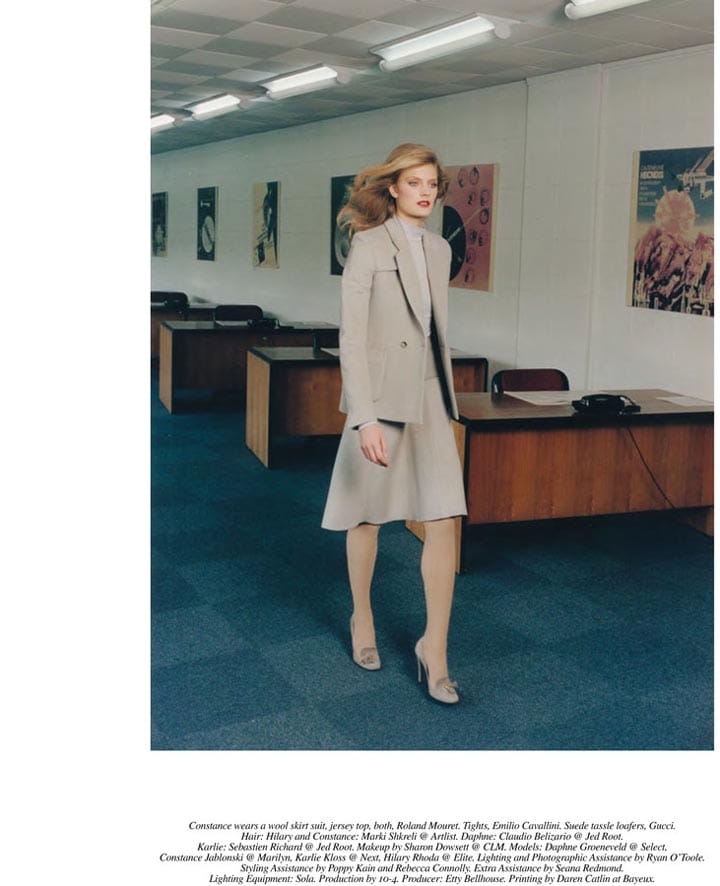
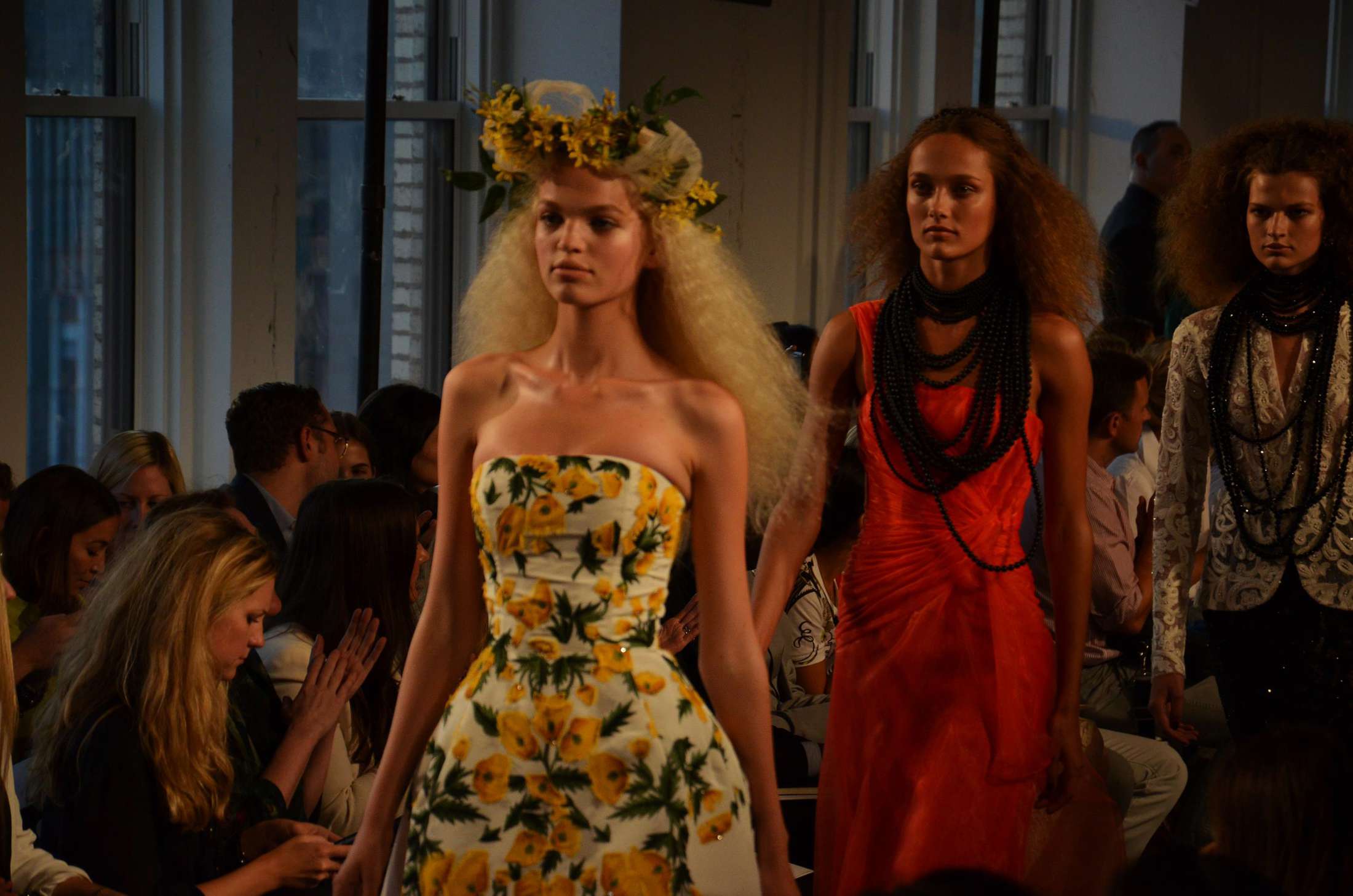
Fashion magazines such as Antidote, Self Service, and Muse use models like Groeneveld to build a specific visual language. These publications often rely on hair, makeup, lighting, and styling to create images that feel both current and slightly removed from everyday life. A model who can hold a pose, absorb unconventional styling, and still look natural is valuable in that context.
Her presence in shoots by editors and stylists such as Venetia Scott reflects this editorial logic. Those images are not just about showing garments; they are about creating a mood around the clothes. Groeneveld’s face and posture help hold that mood, whether the result is cool, romantic, or deliberately off-balance.
Why does Daphne Groeneveld matter?
Groeneveld matters because she became part of the visual shorthand for a particular moment in fashion photography. Early-2010s editorial culture favored models who could look modern without seeming overproduced. Her work shows how magazines and brands build desirability through repetition: the same face appears in luxury beauty, styled narratives, and fashion spreads until it becomes tied to a broader look.
She also represents how model identity works inside fashion media. A model is often less a public personality than a reusable visual instrument, shaped by photographers, makeup artists, stylists, and art directors. Groeneveld’s career illustrates that process clearly: the image is not just of her, but built through her, with her face and body as the central material.
Frequently Asked Questions
Is Daphne Groeneveld mainly a runway model?
No. She is better known for editorial and campaign work than for a runway-only career. Her most recognisable images come from magazine covers, fashion stories, and beauty advertising.
What made her stand out early in her career?
Her early visibility came from a major Vogue Paris cover and the strong visual impression she made in editorial photography. She suited the polished, slightly cool aesthetic that dominated much fashion image-making at the time.
Why is she associated with specific magazines and campaigns?
Those publications and brands use models as part of a larger art-directed image system. Groeneveld’s face worked well in settings where styling, lighting, and pose were central, so she appeared repeatedly in magazine stories and beauty campaigns.
Articles mentioning Daphne Groeneveld