Vogue Paris is the French edition of Vogue, a fashion magazine founded in 1920 that became one of the most influential style publications in Europe. It has chronicled couture, luxury ready-to-wear, beauty, photography and celebrity fashion from a Parisian point of view, and for decades it helped define what “French fashion” looked like on the page.
- Founded in 1920 as the French edition of Vogue
- Based in Paris and closely tied to the city’s fashion industry
- Known for high-fashion editorials, strong art direction and model-led covers
- Has featured many of the major houses, stylists and photographers working in French fashion
- Serves as both a record of trends and a maker of fashion imagery
What made Vogue Paris different?
Vogue Paris did not simply repeat the content of the American edition in French. It developed its own visual identity, shaped by Paris fashion culture, editorial photography and the city’s relationship to couture. The magazine often leaned into a harder, more seductive and more stylized image than other editions, with an emphasis on bold styling, polished beauty work and strong photographic authorship.
That editorial identity mattered because fashion magazines did more than report on clothes. They built an aesthetic language around them. In Vogue Paris, that language often fused luxury with coolness: sharp tailoring, immaculate lighting, glossy surfaces and poses that made the model look less like a passive wearer and more like an active part of the composition.
How it shaped fashion photography
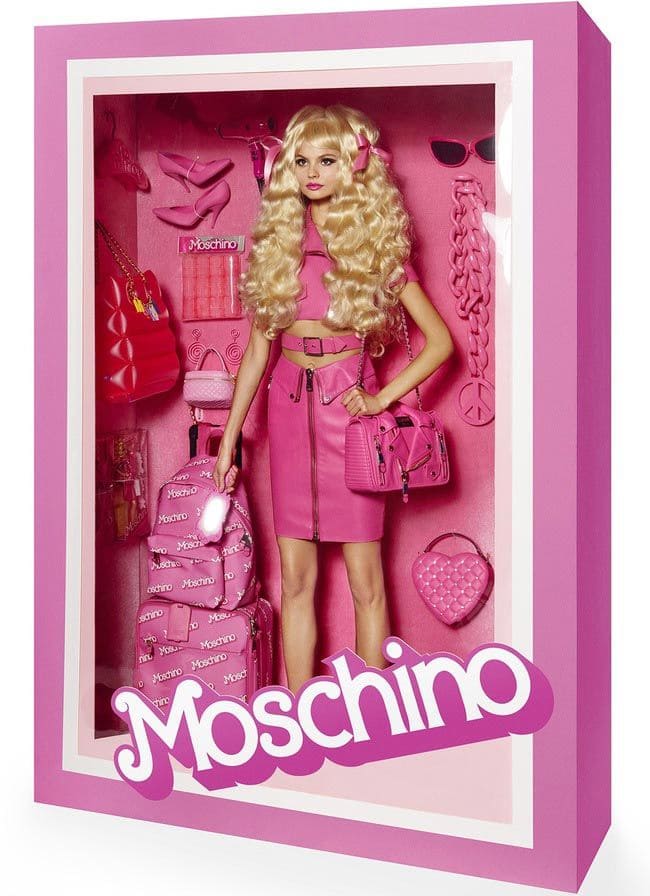
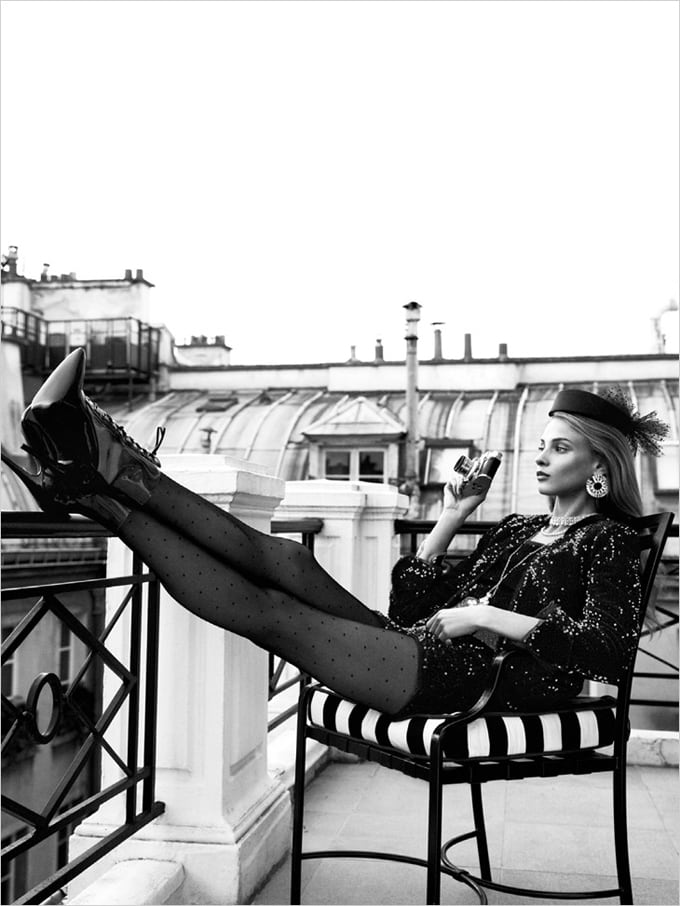
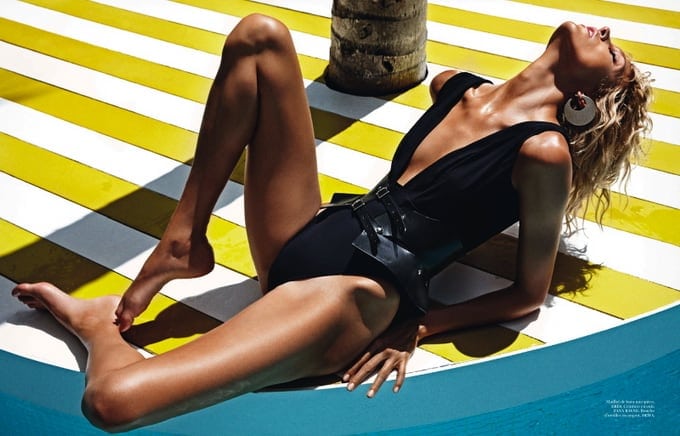
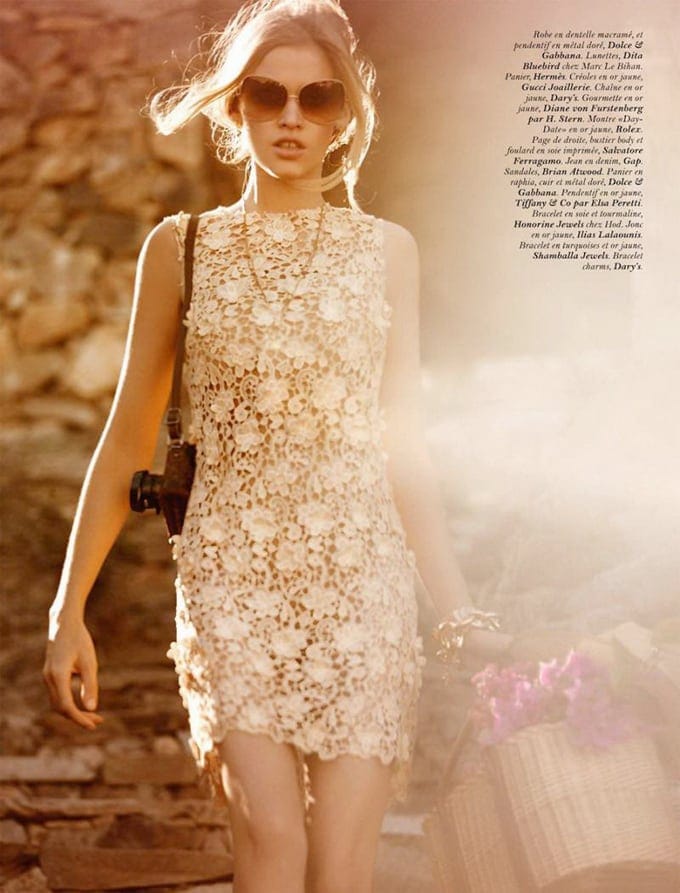
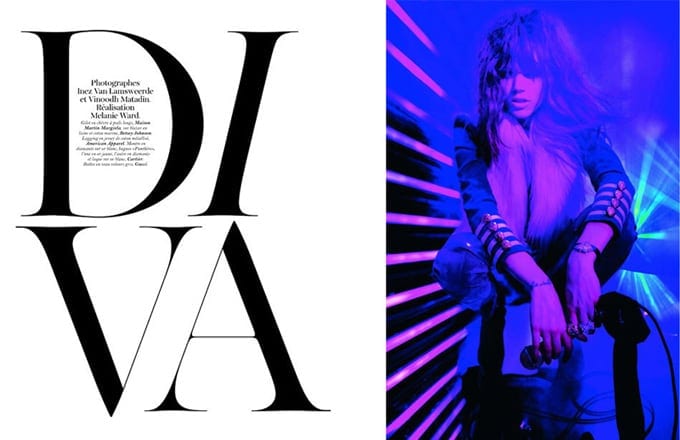
Vogue Paris became an important site for fashion photography because it offered photographers a prestigious place to make images that were both commercial and experimental. The magazine’s pages have featured elaborate studio setups, location shoots, dense styling and carefully directed portraiture. Many covers and editorials rely on the tension between realism and artifice: clothes are shown clearly, but the image is built to feel aspirational, not documentary.
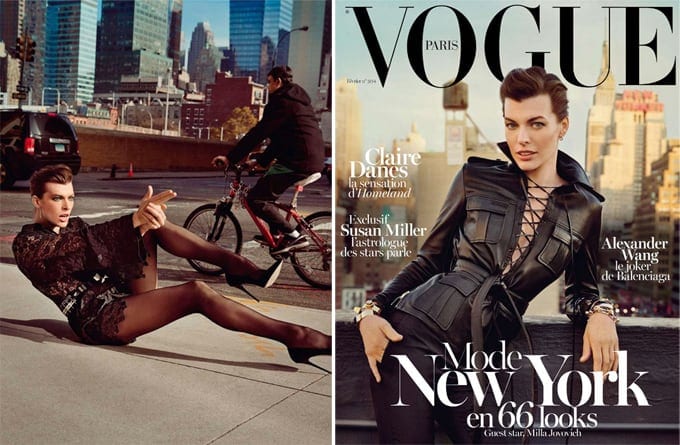
The publication also helped normalize the supermodel as a cultural figure. Rather than treating models as anonymous mannequins, it often placed them at the center of the image and used their face, posture and personality as part of the selling point. That approach is visible in the magazine’s recurring use of models such as Lara Stone, Anja Rubik, Andreea Diaconu, Anna Selezneva and Milla Jovovich, whose presence could carry an entire cover or editorial spread.
Why does Vogue Paris matter in fashion culture?
Vogue Paris mattered because it sat at the intersection of editorial taste, luxury branding and the broader machinery of fashion culture. A feature in the magazine could validate a designer, a model or a photographic style. It also preserved the look of successive fashion eras: the silhouettes, makeup, hair, lighting and posing conventions that defined each decade appear clearly in its pages.
For readers and image-makers, the magazine became a reference point for how fashion can be staged. The clothes are only part of the subject. Equally important are the processes around them: styling, casting, retouching, set design, makeup, hair and printing. Those layers are what give Vogue Paris its particular authority and make it useful as a visual archive.
What does it look like in practice?
In practice, Vogue Paris appears as a monthly or special-issue fashion magazine with cover stars, feature stories, advertising, beauty pages and editorial spreads. A typical issue might pair a couture collection with a dramatic studio shoot, a celebrity portrait with a sharply styled trend story, or a beauty feature with close attention to skin, hair and finish. The magazine’s design tends to emphasize glossy photography and clean editorial sequencing so the imagery can carry the narrative.
Its influence is easiest to see in the way fashion image-making gets repeated elsewhere. Lighting schemes, camera angles, saturated styling and the use of models as mood-setters often move from magazine to campaign to online editorial. Vogue Paris has been one of the places where that visual vocabulary was refined, made prestigious and circulated widely.
Frequently Asked Questions
Is Vogue Paris the same as Vogue France?
No. Vogue Paris was the long-running title used for the French edition of Vogue, and the name carried strong recognition because of the magazine’s Paris base. The publication has since changed identity in line with broader branding changes, but the historical title remains the one most commonly cited in fashion archives and references.
Why do fashion articles mention Vogue Paris so often?
Because it was a major platform for fashion editorials, covers and campaigns. When an article mentions a model “for Vogue Paris,” it usually refers to a shoot or cover published in the magazine, not a separate brand or product line. That credit signals editorial prestige and places the image within a specific fashion context.
What kind of makers are associated with Vogue Paris?
Photographers, stylists, makeup artists, hair artists, art directors and models all shaped its output. The magazine depended on these collaborators to build the final image, from the cut of the clothes to the tone of the lighting. That makes it a useful reference point for understanding fashion as a made object rather than just a trend report.
Articles mentioning Vogue Paris