
François Rotger is a French independent film director and former photographer and music video director whose films focus on deception, betrayal, and sudden violence inside the family circle. Born in France on 25 December 1973, he moved from still photography into moving-image work, and his early shorts already established the subject matter and tone that recur in his features.
François Rotger on FreeYork
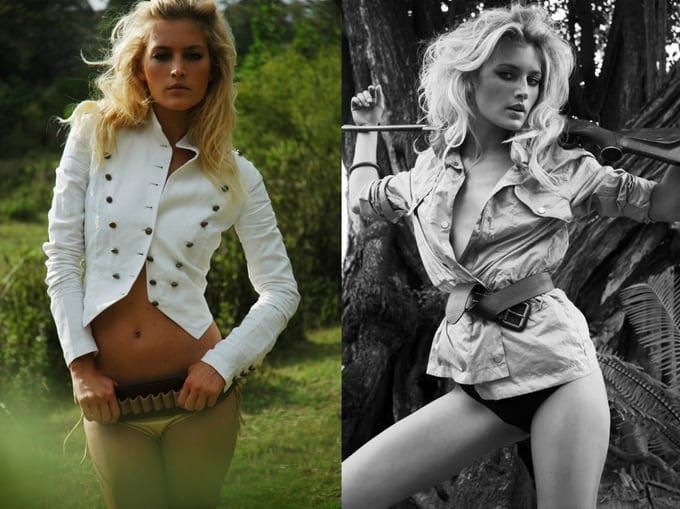
About François Rotger
| Field | Detail |
|---|---|
| Born | 25 December 1973, France |
| Nationality | French |
| Known for | Independent film directing, photography, music video work |
| First feature | The Passenger (premiered at the 2005 Locarno International Film Festival) |
| Early short films | 74km avec elle and Jan |
From photography to feature films
Rotger began in photography, then worked in music videos before turning to narrative film. That path matters because his films often rely on images that feel composed rather than merely recorded: faces held in tension, domestic spaces made uncomfortable, and abrupt shifts from quiet observation to threat. The visual discipline of photography gives his work a controlled surface, even when the subject matter turns unstable.
His transition into directing also placed him in the tradition of independent filmmakers who build a career through shorts, festival screenings, and gradual expansion to features. His first feature, The Passenger, premiered at Locarno in 2005, a festival known for supporting formally alert, auteur-driven cinema.
What themes does François Rotger return to?
Rotger’s early films 74km avec elle and Jan already show the recurring concerns that define his work: family tension, deception, betrayal, and the possibility that ordinary relationships can turn violent. These are not treated as abstract ideas. They appear through specific situations, often domestic ones, where trust breaks down and the consequences become physical.
His approach gives those themes a blunt edge. Rather than building toward psychological explanation, the films tend to stage the moment when a bond fails. That makes the violence feel abrupt and destabilising, as if it erupts from the same ordinary settings that should have made it impossible.
What does his work look like in practice?
Rotger’s background in photography and HD video suggests an interest in image quality as part of meaning. 74km avec elle was shot on 35mm colour, while Jan used HDcam colour, and those formats point to different visual textures: grain and density in the film print, cleaner and more immediate electronic capture in the digital medium. In both cases, the material choice supports a controlled, direct look.
His films typically work through restraint rather than spectacle until the point of rupture. The effect is often one of pressure building in enclosed spaces, where family relations, secrecy, and physical proximity become inseparable. That makes Rotger’s work legible both as drama and as an exercise in visual withholding.
Why does François Rotger matter?
Rotger matters as an example of a filmmaker whose practice crosses still photography, music video, and independent cinema without losing a clear authorial line. The same attention to framing and atmosphere carries through each form, but the films sharpen that attention into narratives about trust, kinship, and violence. For readers encountering his name in a discussion of photography, that background explains why his images often feel so composed and so uneasy at once.
He is also useful as a reference point for a certain European festival-era independent cinema: compact, formally aware, and interested in domestic damage rather than large-scale plot. Even in short form, his work suggests how technique, format, and subject can reinforce one another.
Questions
Is François Rotger mainly a photographer or a filmmaker?
He is best known as a film director, but photography shaped his visual approach before he moved into moving-image work. His films retain a photographer’s sense of framing, light, and stillness. That background is part of why his images can feel precise even when the stories turn unsettling.
What is François Rotger’s first feature film?
His first feature is The Passenger, which debuted at the 2005 Locarno International Film Festival. That premiere placed him within a strong festival circuit for independent cinema. It also marked the step from short-form work into a longer narrative format.
What themes appear in his early films?
His early shorts 74km avec elle and Jan deal with deception, betrayal, and violence inside the family circle. These themes are central to his work rather than incidental plot points. They are usually presented through domestic situations that become increasingly tense and unstable.