
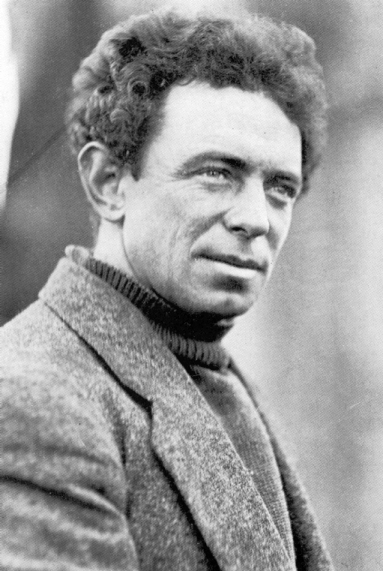
Frank Hurley was an Australian photographer, filmmaker, and expedition image-maker whose dramatic pictures of Antarctica and wartime life made him one of the best-known visual chroniclers of the early 20th century. He worked on polar expeditions, including Ernest Shackleton’s Endurance voyage, and later served as an official photographer with Australian forces in both world wars. His images are famous for their theatrical composition and also controversial for the way he staged, combined, and altered scenes.
- Born James Francis Hurley in Sydney in 1885; died in 1962.
- Worked as an expedition photographer in Antarctica, including the Endurance expedition.
- Served as an official photographer during World War I and World War II.
- Known for bold, cinematic framing, darkroom composites, and occasional staged reconstructions.
- Important to the history of documentary photography because his work sits between record and performance.
Why Frank Hurley matters
Hurley mattered because he treated photography as both evidence and spectacle. On expeditions, that meant making images that could survive extreme conditions and communicate danger, scale, and hardship to audiences far from the ice. He was not satisfied with straightforward records: he searched for the picture that would feel decisive, even if that meant rearranging bodies, skies, or exposures.
That approach gives his archive lasting force. His Antarctic photographs remain among the best-known images of polar exploration because they make cold, isolation, wreckage, and endurance visible in a direct visual language. At the same time, historians cite him when discussing the limits of documentary truth, since some of his most famous pictures were assembled from more than one negative or staged to heighten drama.
How did he work in Antarctica?
Hurley entered Antarctic work through expedition photography, where the job demanded technical skill, physical toughness, and improvisation. He photographed in severe cold, with glass plates, bulky cameras, and chemicals that were difficult to manage far from a darkroom. In those conditions, a successful photograph was as much a feat of logistics as of composition.
His Antarctic pictures often show ship masts trapped in ice, men hauling sledges, and the blank force of sea and snow. He framed these scenes with strong diagonals and high contrast, giving them a dramatic clarity that made them useful for publication and lecture slides. The visual style helped shape popular ideas of polar exploration as heroic, dangerous, and deeply isolated.
What is controversial about his photographs?
Hurley’s controversy comes from his use of manipulation. He made composite images by combining negatives, and he sometimes staged scenes to produce a stronger narrative effect. In the context of early 20th-century photography, such practices were not unusual, but they do complicate claims that his images should be read as pure documentary evidence.
That tension matters because his work appeared in public settings where photographs carried authority. A picture of a wrecked camp or a doomed ship could be read as factual proof, even when the final image had been altered in the darkroom. Modern viewers often approach Hurley with that caution in mind: his photographs are historically important not only for what they show, but also for what they reveal about the era’s ideas of visual truth.
What does his legacy look like today?
Hurley’s legacy sits between art, journalism, and historical record. Museums and archives preserve his prints because they document expeditions, warfare, and the visual culture of imperial Australia. Designers and editors still return to his work for its graphic force: the dense blacks, bright snowfields, and carefully arranged figures create images with immediate visual impact.
His reputation also shapes how institutions present expedition photography now. Curators often have to explain both the power and the limits of the image, especially when presenting restored or newly digitised material from the Antarctic voyages. That makes Hurley useful as a case study in how photography can persuade, memorialise, and distort at the same time.
Frequently Asked Questions
Was Frank Hurley mainly a photographer or a filmmaker?
He worked as both, though photography is what made him famous. Film was part of his wider visual practice, especially in expedition and war settings where moving images could extend the reach of a story. Still, his still photographs remain the core of his reputation.
Did Frank Hurley really stage his photographs?
Yes, in some cases he did. He used composites and rearranged scenes when he believed a picture needed stronger visual impact than a straight exposure could provide. That practice was common enough in his era, but it is still central to evaluating his work today.
Why are his Antarctic images so well known?
They combine technical achievement with strong visual drama. Hurley captured the scale of ice, wreckage, and human effort in ways that felt immediate to contemporary audiences and still read clearly now. The images also became tied to the mythology of Antarctic exploration, especially Shackleton’s survival narrative.