Irish people are an ethnic group native to Ireland, shaped by the island’s long history, its Gaelic language and culture, and centuries of migration, colonisation, famine, and diaspora. The term can also refer more broadly to people of Irish descent living elsewhere, especially in Britain, North America, Australia, and New Zealand.
- Irish identity begins in Ireland, but it has been formed as much by migration as by place.
- Language, kinship, music, religion, and local custom have all played a role in defining Irishness.
- Many people who identify as Irish live outside Ireland, especially in the diaspora created by emigration.
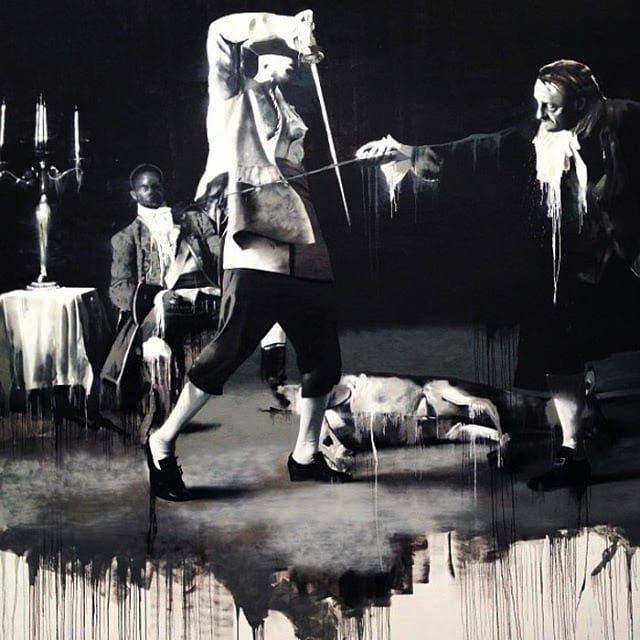
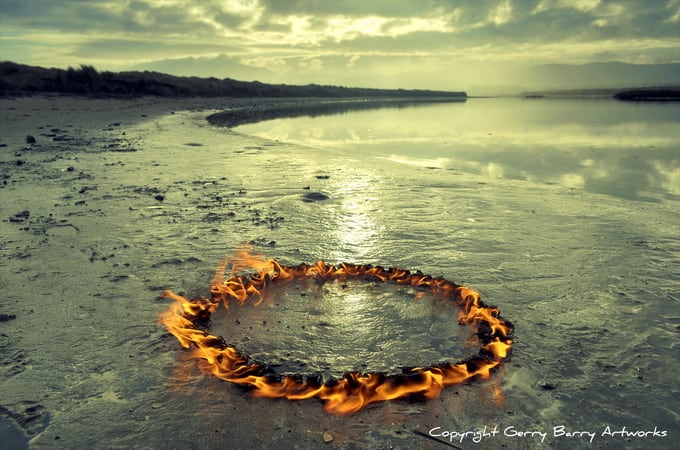
- Irish visual culture often carries traces of rural life, Catholic ritual, political history, and hand-made craft traditions.
Where did the Irish people come from?
Human settlement in Ireland goes back thousands of years, long before written history. Archaeology shows farming communities, burial sites, stone monuments, and later Bronze Age and Iron Age societies; these are the real foundations of Irish ancestry, even if later legend supplies more dramatic origin stories. Medieval texts such as the Lebor Gabála Érenn linked the Irish to mythic migrations, but those accounts belong to literature and political memory rather than verifiable history.
Over time, the island’s population absorbed new influences from Norse settlers, Norman arrivals, English rule, and repeated movements across the Irish Sea and Atlantic. That layered history matters because Irish identity has never been static or purely inherited. It has been continuously remade through language shift, intermarriage, trade, conflict, and emigration.
What does Irish identity mean in practice?
Irish identity can be cultural, ethnic, national, or all three at once. For some, it rests on ancestry and family history; for others, it comes through citizenship, residence, or participation in Irish language and customs. The Irish language, traditional music, storytelling, dance, and local sports have all helped sustain a shared sense of belonging, even when daily life changed radically.
In practice, Irishness often appears through ordinary material culture: woollen knitwear, turf, lace, pottery, vernacular architecture, wake customs, pub culture, and domestic interiors shaped by Catholic ritual and rural labour. Contemporary Irish makers still draw on these forms, sometimes directly and sometimes by quoting them in new materials such as textile, photography, sculpture, or installation.
Why does the Irish diaspora matter?
The Irish diaspora is one of the largest and most influential in the world. Mass emigration intensified during the nineteenth century, especially after the Great Famine, and continued in waves through the twentieth century. This movement carried Irish people into industrial cities, colonial frontiers, and artistic centres abroad, where they built communities that preserved some customs while altering others.
That diaspora has had a strong effect on art and design. Irish-born and Irish-descended makers have often worked between places, translating memory into materials: stitched cloth, family photographs, oral history, performed music, and domestic objects that hold the texture of migration. Irish identity in art is often less about a fixed national image than about distance, return, and adaptation.
How is Irish culture visible in art and design?
Irish culture appears in visual work through both symbol and surface. Artists may use references to the landscape, the Atlantic weather, vernacular building, farm tools, religious objects, or the graphic clarity of Gaelic lettering. Others respond to political history, especially partition, colonial rule, the Troubles, and the social changes that followed independence in the south and civil rights struggles in the north.
Material choices matter here. Wool, linen, stone, paper, bronze, timber, and found domestic objects recur because they connect artistic work to labour, weather, and everyday life. In contemporary practice, those materials are often handled with restraint rather than ornament, letting texture, stitch, grain, and wear carry the meaning.
Frequently Asked Questions
Is “Irish” an ethnic, national, or cultural term?
It can mean any of the three, depending on context. Ethnically, it refers to people native to Ireland and their descendants. Nationally and culturally, it can also include citizens of Ireland and people who participate in Irish language and traditions, even if their ancestry is mixed or their family has lived abroad for generations.
Are all Irish people Gaelic?
No. Gaelic refers to a language family and a cultural tradition, not a total description of the population. Many Irish people identify with Gaelic heritage, but Ireland has also been shaped by Norse, Norman, English, Scottish, and other influences over many centuries.
Why do so many Irish people live outside Ireland?
Emigration has been a defining feature of Irish history, especially after the Great Famine in the 1840s and during later periods of economic hardship. People left for work, safety, and family networks, creating large communities abroad. Those communities helped spread Irish culture while also changing what Irish identity meant in practice.
Articles mentioning Irish people