
Kraków is a historic city in southern Poland, on the Vistula River, and one of the country’s major centres for culture, universities, and the arts. Once a royal capital, it grew around the Wawel hill, the medieval market square, and a dense network of guild streets, churches, workshops, and later-era studios. Its old fabric still shapes how the city is read today: as a place where architecture, craft, scholarship, and image-making sit close together.
Stories from Kraków
6 stories

About Kraków
- Second-largest city in Poland and one of its oldest urban centres
- Situated on the Vistula River in the Lesser Poland region
- Former royal capital with a preserved medieval core and major historic monuments
- Important centre for Polish academic, artistic, and publishing life
- Strong presence in contemporary design, illustration, photography, and exhibition architecture
Read the full overviewWhy does Kraków matter?, What does Kraków look like?, How has the city shaped art and design?, What makes Kraków distinctive in practice?
Why does Kraków matter?
Kraków matters because so much of Polish cultural memory passes through it. The city was a royal seat for centuries, and that status left behind not just monuments but institutions: cathedrals, universities, archives, museums, and a public sense that art and learning belong in the same civic space. Wawel Castle and the Old Town give the city a visual continuity that is rare in Central Europe, where war and redevelopment erased many historic centres.
That continuity has made Kraków useful to makers. Artists and designers work against, within, or in dialogue with its stone streets, historic interiors, and strong heritage identity. The city’s buildings and public spaces often appear in editorial photography, craft features, and exhibition design because they immediately signal lineage, scale, and national context.
What does Kraków look like?
The city’s most recognisable image comes from its historic core: the broad Market Square, the Cloth Hall, St Mary’s Basilica, and the hilltop silhouette of Wawel. The architecture mixes Gothic, Renaissance, Baroque, and later layers, with courtyards, arcades, painted façades, and church towers marking different periods of growth. The city also has a softer material character than many industrial Polish centres: worn limestone, brick, stucco, copper roofs, and the dark green of riverbanks and parks.
Outside the tourist centre, Kraków becomes more varied. Academic districts, postwar housing estates, former industrial sites, and contemporary cultural venues create a city that is not frozen in heritage. That mix is part of its appeal to photographers and illustrators: one frame can hold monumental history and ordinary urban life.
How has the city shaped art and design?
Kraków has long supported Polish visual culture through institutions rather than a single style. The Academy of Fine Arts in Kraków has trained generations of artists, while galleries, print shops, theatres, and publishers have made the city an active production centre. The result is not a uniform “Kraków look,” but a dense ecosystem where painting, illustration, graphic design, architecture, and craft circulate easily.
In contemporary work, the city often functions as both subject and stage. Architectural projects at Wawel or around the old centre have to handle strict conservation rules and strong historical meaning, which pushes designers toward careful joins, reversible structures, and materials that sit lightly beside stone and masonry. In illustration and photography, Kraków’s churches, courtyards, and river light are often used for mood, memory, and symbolic weight rather than simple documentation.
What makes Kraków distinctive in practice?
The city’s visual character comes from accumulation. Medieval planning survives alongside Renaissance ornament, Communist-era blocks, and contemporary interventions, so makers working there must decide whether to echo, contrast, or quietly disappear into the surroundings. That challenge makes Kraków especially visible in exhibition design, adaptive reuse, and craft-led projects where the material response matters as much as the image.
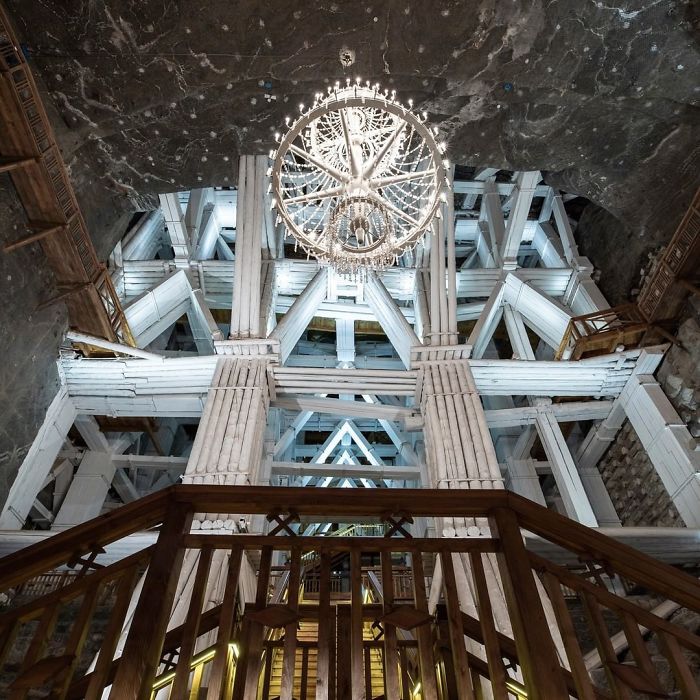
Kraków also remains tied to nearby making traditions. The wider region includes salt mining, stone carving, religious craft, and decorative painting, all of which continue to feed the city’s cultural economy. Even when a project is contemporary, it often borrows from those older traditions of precision, surface treatment, and symbolic form.
Frequently Asked Questions
Is Kraków the capital of Poland?
No. Warsaw is the capital of Poland today. Kraków served as the royal capital for centuries and still carries that historical status in Polish culture.
Why is Kraków so often used in art and design stories?
Its historic centre gives strong visual identity, and its institutions support artists, designers, and architects. The city also contains a clear contrast between protected heritage and active contemporary culture, which produces useful settings for visual work.
What is Kraków best known for culturally?
Kraków is known for its universities, museums, churches, literary life, and art schools. It is also associated with preservation, folk traditions, and a strong public culture around exhibitions, festivals, and design.