Shoreditch is a district in the East End of London, in the London Borough of Hackney, known today for its concentration of creative studios, galleries, bars, and converted industrial buildings. It sits immediately north of the City of London and has become shorthand for a style of urban regeneration built around design, nightlife, technology, and street culture.
| Fact | Detail |
|---|---|
| Type | District |
| Location | East End of London, Hackney |
| Character | Mixed-use urban neighbourhood with strong creative and commercial activity |
| Known for | Design studios, galleries, murals, adaptive reuse, nightlife |
| Built form | Warehouses, terrace housing, office blocks, new developments, and former industrial sites |
How did Shoreditch become so associated with design and art?
Shoreditch’s reputation grew from a practical condition: it offered cheap, accessible space near central London. In the late 20th century, artists, designers, photographers, and small independent businesses moved into warehouses, workshops, and disused commercial buildings that had outlived their original industrial use. Those spaces were often raw and flexible, with large floor plates, high ceilings, and rents that were lower than in the West End or the City.
That environment encouraged a particular kind of making. Studios shared buildings with carpenters, sign painters, printmakers, furniture makers, and digital firms. The district’s visual identity came to include exposed brick, steel windows, painted shutters, pasted posters, and temporary interventions on hoardings and facades. Shoreditch became a place where the process of making was often visible from the street.
What does Shoreditch look like in practice?
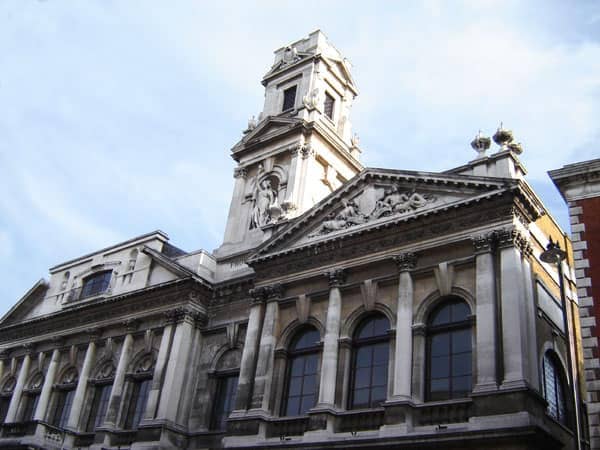
Shoreditch is less a single architectural style than a layering of old and new. Former warehouses now hold offices, hotels, restaurants, and galleries. Narrow streets still show traces of industrial London, while new developments introduce glazed towers, polished lobbies, and public plazas. The area changes quickly, and the visual contrast between conversion and redevelopment is one of its defining features.
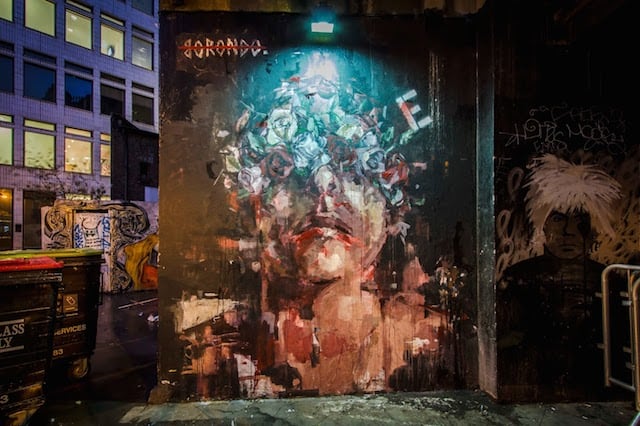
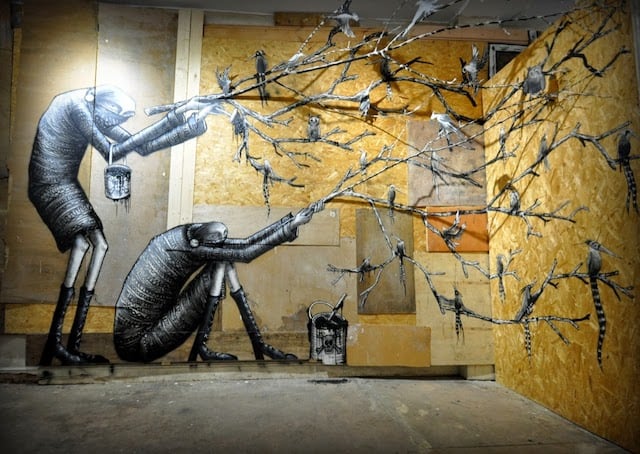
In practice, Shoreditch often functions as a test site for contemporary urban branding. Murals, temporary installations, signage, and curated shopfronts appear alongside established businesses and residential blocks. Street art remains a visible part of the district’s image, not as a sealed-off gallery category but as an element embedded in the streetscape, where painted walls, pasted graphics, and advertising all compete for attention.
Why do makers and brands keep using Shoreditch?
Shoreditch offers an address that carries cultural meaning. For a studio, label, agency, or hospitality brand, it signals proximity to design culture, media, and a younger urban audience. That reputation has made the district attractive to businesses that want to appear current, inventive, or loosely tied to independent creativity.
The same appeal has also made Shoreditch a case study in gentrification. As property values rose, many of the inexpensive workspaces that supported the area’s early creative life became harder to keep. Newer tenants often arrive in finished, highly designed interiors, while older workshops and informal uses are displaced. The district’s creative image therefore depends partly on a history of conditions that are now less easy to find there.
What matters about Shoreditch in visual culture?
Shoreditch matters because it shows how place itself can become a design medium. Its streets have been used to launch products, stage exhibitions, photograph fashion, and present murals, partly because the neighbourhood already carries a ready-made visual language of experimentation. For photographers, it provides texture: layered walls, industrial leftovers, signage, and a dense urban rhythm. For architects and interior designers, it offers a vocabulary of reuse, roughness, and selective polish.
The district also demonstrates how creative districts are built from materials and labour, not just reputation. Brick, plaster, timber, corrugated metal, vinyl graphics, and painted surfaces all contribute to the Shoreditch look. The area’s significance lies in that combination of physical fabric and cultural projection: a real neighbourhood, continually remade, that has been used to stand for contemporary urban creativity.
Frequently Asked Questions
Is Shoreditch a borough?
No. Shoreditch is a district within the London Borough of Hackney. It is part of the wider East End of London and sits close to the edge of the City of London. The distinction matters because the name refers to a neighbourhood identity rather than an administrative unit of its own.
Why is Shoreditch so often linked with street art?
Shoreditch became a prominent site for murals and graffiti because it offered exposed walls, changing building stock, and a concentration of creative businesses. Street art fit the area’s visual character and benefited from heavy foot traffic and media attention. Over time, the neighbourhood became one of London’s best-known outdoor stages for contemporary mural work.
Has Shoreditch changed a lot?
Yes. The district has shifted from a largely industrial and warehousing environment to a mixed area of offices, hospitality, housing, and creative commerce. That change brought investment and visibility, but it also reduced the availability of low-cost space that once supported artists and small makers. Shoreditch now represents both creative clustering and the pressure that successful creative districts often face.
At a glance
- Address
- London Borough of Hackney, United Kingdom
- Coordinates
- 51.526, -0.078
Articles mentioning Shoreditch