Only days before the opening of this initial large-scale UK exhibition of artist Jean-Michel Basquiat's work in the Barbican, Banksy stopped at night to…
Colombian artist GLeo covers walls throughout the world with her brilliant murals, with figures often adorned with masks and other surreal embellishments. She emerged…
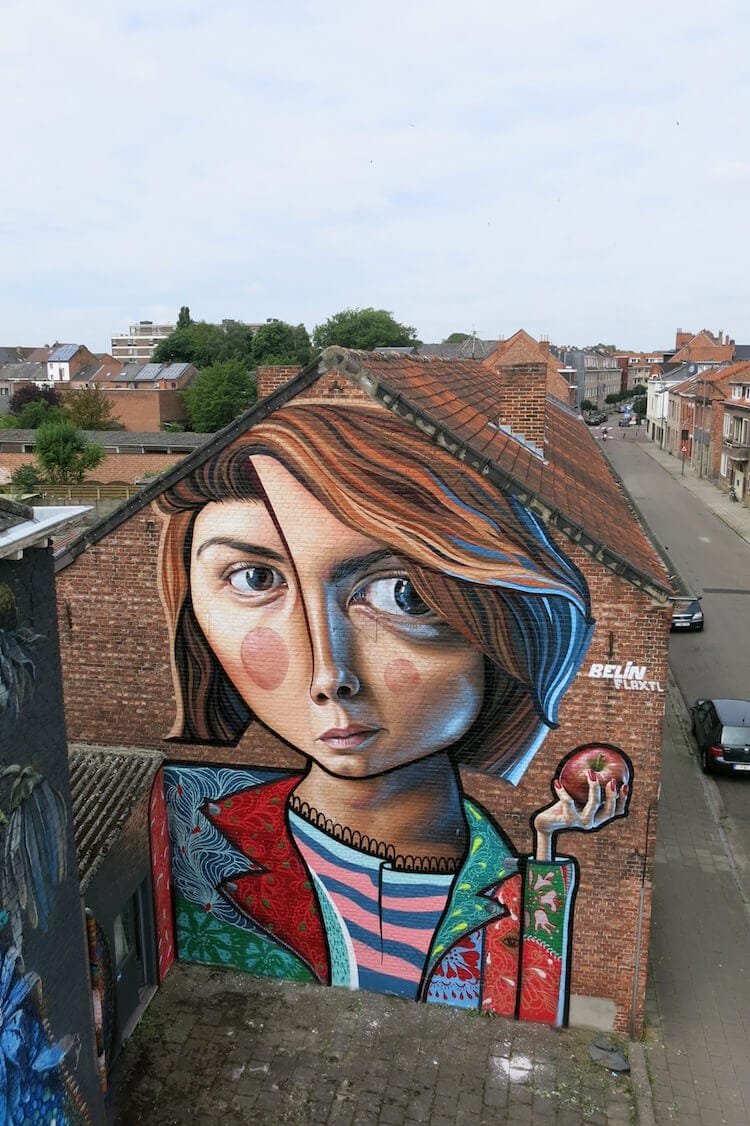
Spanish street artist Miguel Ángel Belinchón aka Belin generates hyper-realistic portraits using a cubist twist. Inspired by the deconstructed types and expressive portraits of…
This is TAPE ART- Art created out of only different types of adhesive tape by Berlin-based ukrainian-born tape artist "Ostap" and his collective “Selfmadecrew”.…
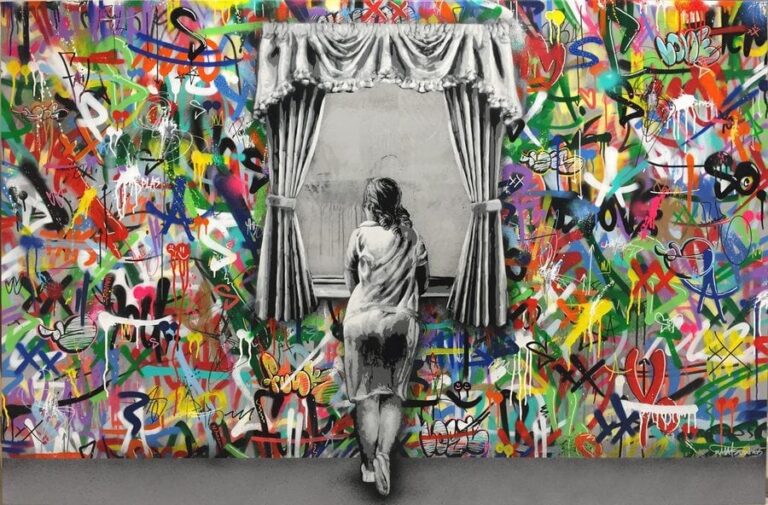
Norwegian-born artist Martin Whatson creates stencil art that lashes out at the mundane, suspending grayscale scenes with explosions of a vibrantly painted mural. The works…
Swiss-based artists duo Christian Rebecchi and Pablo Togni are the artists behind NEVERCREW, a street art collaboration that now goes over two decades. Through…
Venice-based artist Peeta blends his passions for graffiti writing, sculpture, and design in his large-scale spray paintings that look like swirling three-dimensional objects that…
Vigorous paintings are combining multicolored geometric structures with organic shapes, animals, and bodies without identity by Madrid-based multidisciplinary artist Okuda San Miguel. The geometric…
Faith47 spent part of her summer painting a series of otherworldly birds around New York. Titled The Psychic Power of Animals, the ongoing project brings…
No articles match this filter.
Read the full overview
Street art, once seen as an act of vandalism, has evolved into a respected and influential form of urban expression.
It often conveys social and political messages, bridging the gap between art and activism.
The transformation from graffiti to street art has seen the medium gain legal and commercial recognition.
Street art tours and festivals have become popular, reflecting its integration into mainstream culture.
Legal and ethical debates continue to shape the street art scene, with copyright and public space usage at the forefront.
What distinguishes street art from graffiti? Street art is often image-based and intent-driven, aimed at engaging a broad audience, while graffiti traditionally focuses on stylized text and is associated with territorial marking.
Can street art be considered legal? Legality depends on authorization. If an artist has permission to use a space for their work, it’s legal. Unauthorized street art is often still considered vandalism.
How has street art impacted communities? Street art can revitalize neighborhoods, stimulate tourism, and provoke community dialogue. It transforms public spaces, adding vibrancy and cultural depth.
Do street artists make money from their work? Some do, especially when transitioning into gallery shows, commissions, and merchandise. The commercial success of street artists varies widely.
What challenges do street artists face? Beyond legal risks, street artists contend with issues of commercialization, preserving the integrity of their work, and navigating the art world’s traditional boundaries.