
Terry O’Neill was a British photographer known for candid portraits of film stars, musicians, models, and public figures, especially during the 1960s and 1970s. He made celebrity photography feel immediate rather than posed, often shooting his subjects in transit, at work, or in spaces that revealed more than a studio backdrop could.
Stories from Terry O’Neill (photographer)
1 story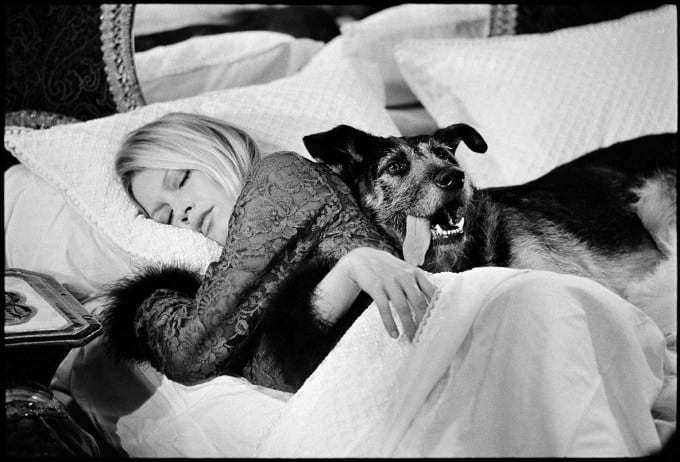
About Terry O’Neill (photographer)
| Field | Photography |
|---|---|
| Nationality | British |
| Best known for | Candid celebrity portraits and fashion-world images |
| Active era | 1960s onward |
| Recognition | Royal Photographic Society Centenary Medal, 2011 |
Read the full overviewWhy Terry O’Neill mattered, What did his photographs look like?, How did he work within fashion and celebrity culture?, Recognition and legacy
Why Terry O’Neill mattered
O’Neill helped define the visual language of modern celebrity. Rather than treating famous people as distant icons, he photographed them with a sense of access and motion: arriving at airports, waiting between takes, leaning against cars, or caught in moments that looked unplanned. That approach made his pictures feel closer to documentary than publicity, even when they were made for magazines or promotional use.
His work became part of the wider culture of 1960s London, when fashion, music, film, and youth style were changing quickly and photography was central to how that change was seen. O’Neill’s pictures of actors, singers, and models were not just records of personalities. They also captured the clothing, styling, and social atmosphere around them, which is why his archive remains useful to historians of visual culture.
What did his photographs look like?
O’Neill favored direct framing, natural gestures, and scenes that suggested movement. He often used available settings rather than elaborate studio arrangements, which gave the photographs a loose, spontaneous quality. Even when the image was carefully arranged, the result usually looked as if the subject had been caught mid-thought or mid-action.
That style suited the public figures he photographed. A performer looking away from the camera, a model smoking between poses, or a musician slouched in an unguarded posture could communicate more than a formal portrait. O’Neill understood how to use environment, body language, and timing as part of the image, making the photograph about personality as much as appearance.
How did he work within fashion and celebrity culture?
O’Neill moved between editorial fashion, portraiture, and entertainment photography. In practice, that meant working with magazines, agents, studios, and publicists while trying to preserve a sense of immediacy. His images often sat at the boundary between journalism and glamour photography: polished enough for publication, but loose enough to feel alive.
This made him influential for later portrait photographers who wanted more than a static headshot. He showed that celebrity photography could have narrative value, using context to suggest what kind of life a subject inhabited. The clothes, props, and locations in his pictures are not incidental; they are part of the storytelling.
Recognition and legacy
O’Neill’s photographs have been widely exhibited and reproduced, which helped fix them as part of the visual record of late 20th-century fame. The Royal Photographic Society awarded him its Centenary Medal in 2011 for his sustained contribution to photography, confirming his place within the medium’s institutional history as well as its popular history.
His legacy lies in how ordinary celebrity photography now looks. The candid backstage frame, the on-location fashion shot, the image that seems to have happened by chance but is carefully composed: these are now standard forms. O’Neill did not invent all of them, but he helped make them legible and desirable to editors, audiences, and later photographers.
Frequently Asked Questions
Was Terry O’Neill mainly a fashion photographer or a portrait photographer?
He worked across both fields, and the overlap mattered. Fashion brought him into contact with stylists, models, and magazine production, while portraiture let him focus on the individual character of actors and musicians. His most famous images often combine the two, showing a person, their clothing, and the scene around them as one visual statement.
What made his celebrity photos different from studio portraits?
His pictures usually feel less staged and more observational. Instead of a neutral backdrop and fixed pose, he often used real locations, movement, and informal moments to create a sense of presence. That approach made celebrities look like people in a specific environment rather than polished symbols.
Why is he still discussed today?
O’Neill’s work remains a reference point for how fame is photographed. Many contemporary portraits still borrow his balance of access, style, and spontaneity. His images also preserve the look of a period when celebrity culture, fashion, and music were becoming tightly linked through magazines and photography.