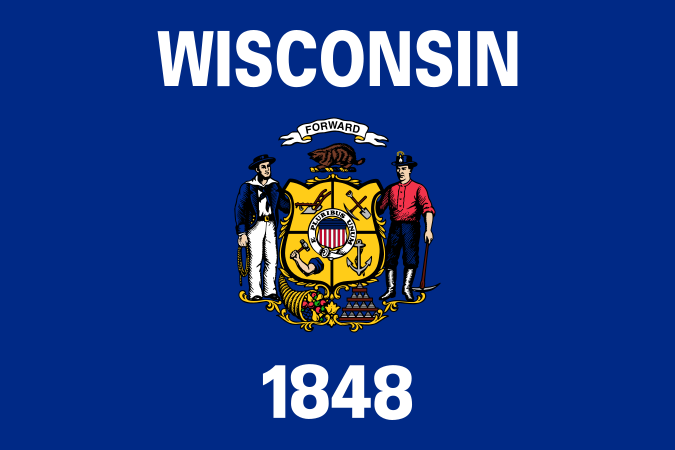
Wisconsin is a U.S. state in the north-central Midwest, between the Great Lakes and the upper Mississippi Valley. It became the 30th state in 1848. Madison is the capital, and Milwaukee is the largest city. The state is known for its lake shore, river towns, dairy farms, forests, and a long tradition of manufacturing, print culture, and craft production.
| Essential fact | Detail |
|---|---|
| Type | U.S. state |
| Capital | Madison |
| Largest city | Milwaukee |
| Region | Midwest, Great Lakes |
| Admitted to the Union | 1848 |
| Landscape | Lakes, forests, farmland, rivers, lake shore |
Where is Wisconsin, and what does it look like?
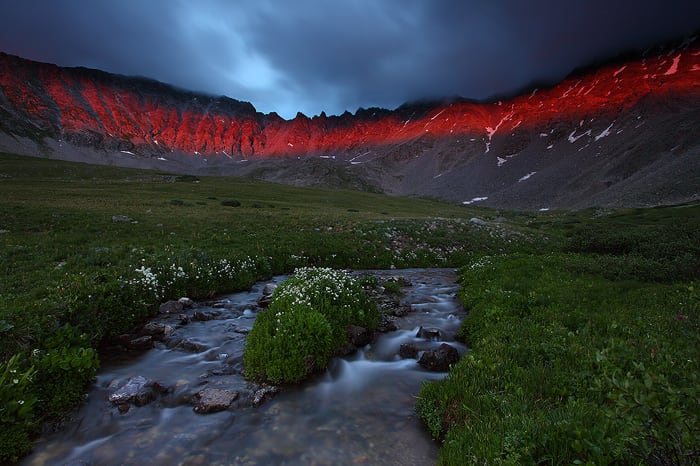
Wisconsin sits between Lake Superior and Lake Michigan, with a western edge shaped by the Mississippi River and an eastern edge that opens onto the lake shore. The northern part of the state is heavily wooded and dotted with lakes, while the south contains a denser chain of cities, farms, and smaller industrial towns. That mix of water, forest, and agricultural land gives the state a varied physical identity that shows up in everything from cabin building to textile design.
The climate is cold enough to shape how materials are used. Long winters and humid summers affect wood, wool, stone, plaster, and agricultural materials in different ways. In practice, that means Wisconsin-made objects often carry a practical sturdiness: joinery that can handle seasonal movement, textiles suited to insulation, and outdoor works that respond to snow, ice, and thaw.
Why does Wisconsin matter in art and design?
Wisconsin matters because it connects craft traditions to industrial production. Milwaukee grew as a manufacturing city, while Madison developed as a state capital and university town with strong research and cultural institutions. Between those poles, the state has supported printmaking, furniture, ceramics, fiber work, and landscape-based art. That combination of making and material access has made it a useful place for artists who work with timber, clay, paper, wool, and found natural matter.
The state also matters as a setting. Wisconsin’s forests, prairies, and lake edges are not neutral backdrops; they shape scale, color, and process. A willow sculpture in the woods reads differently from the same structure in a gallery, because the local landscape becomes part of the work’s surface and meaning. Similarly, textile and rug work made or shown in Wisconsin often sits close to a regional history of farm labor, domestic craft, and durable utility.
What materials are associated with Wisconsin?
Wood is one of the most visible materials associated with the state, especially hardwoods and flexible branches used in basketry, furniture, and sculptural building. Willow, birch, oak, and pine are all relevant to the region’s craft vocabulary. Paper and print materials are also important because of the state’s urban publishing and design history, especially in Milwaukee and Madison.
Fiber materials matter as well. Rugs, woven goods, and other textile forms connect to Wisconsin’s long relationship with domestic production and cold-weather use. In that setting, wool, cotton, and blended fibers are not just abstract craft media; they answer local needs for warmth, wear, and longevity. The state’s fields and dairies also form part of its visual culture, giving artists and designers a palette of pale grasses, fenced pasture, metal barns, weathered boards, and agricultural machinery.
How Wisconsin appears in practice
In visual culture, Wisconsin often appears less as a symbol than as a working environment. Sculptors use woods from the region and respond to wooded sites; painters draw on its winter light, shoreline weather, and rural structures; textile makers reference labor, domestic space, and the practical forms found in farm and industrial settings. The state’s strong seasonal shifts encourage work that changes with light and weather or uses materials with visible aging and repair.
That makes Wisconsin a useful reference point for art that is grounded in place and process. It can mean a literal site of making, a source of material, or an implied visual language of cold, timber, water, and long utility. On FreeYork, Wisconsin often functions as the physical and cultural ground beneath works that depend on landscape, handwork, and durable materials.
Frequently Asked Questions
Is Wisconsin mainly a rural or urban state?
It is both. Milwaukee is a major city with a strong industrial history, while Madison adds a government and university center. Outside those cities, the state includes farm country, small towns, forests, and extensive lake and river landscapes.
Why do artists and designers mention Wisconsin in relation to materials?
Because the state offers both natural matter and a strong craft infrastructure. Timber, willow, fiber, paper, and agricultural references all fit comfortably within its material culture. Many works made there or about it rely on practical processes rather than purely symbolic imagery.
What makes Wisconsin visually distinctive?
Its combination of water, woods, and working land. Lake shore weather, winter snow, and farm architecture create a clear regional palette. That palette often shows up in subdued colors, sturdy construction, and materials that age visibly.
At a glance
- Address
- United States
- Coordinates
- 44.5, -89.5
Articles mentioning Wisconsin