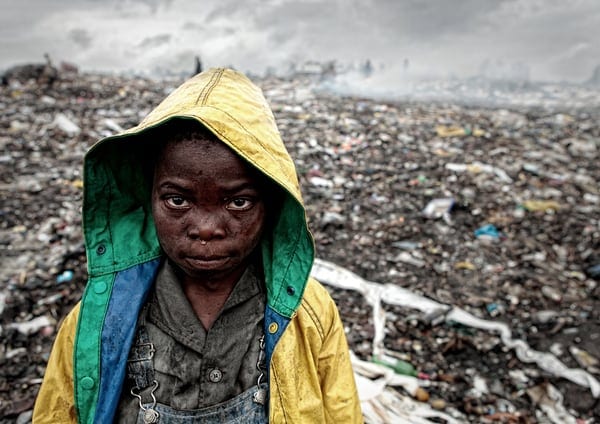
Mozambique is a Southeast African country on the Indian Ocean, bordered by Tanzania, Malawi, Zambia, Zimbabwe, Eswatini and South Africa. Its capital is Maputo. The country combines a long coastal trading history, Portuguese colonial rule, a hard-won independence in 1975, and a later civil war that shaped its cities, industries and everyday material culture.
| Fact | Detail |
|---|---|
| Capital | Maputo |
| Region | Southeast Africa |
| Coastline | Indian Ocean |
| Official language | Portuguese |
| Independence | 1975 |
| Colonial power | Portugal |
Why Mozambique matters
Mozambique matters because its position on the Indian Ocean made it a meeting point for African, Arab, Indian and European exchange. Coastal towns developed through trade in ivory, gold, textiles and later enslaved people, while inland societies formed through Bantu-speaking migration, farming and local political systems. The country’s history left visible traces in language, architecture, port infrastructure and urban form.
Modern Mozambique also matters for the way it reveals the afterlife of colonial extraction. Railways, harbours and plantation systems were built to move goods out of the territory rather than to bind it together internally. After independence, war and economic pressure altered how people built, repaired and reused things, especially in cities such as Maputo.
What does Mozambique look like on the ground?
Mozambique is long and varied. Its coast includes mangroves, lagoons, coral islands and sandy beaches; inland areas range from river valleys to savannah and highland zones. This geography shapes building materials and craft traditions: timber, reeds, clay, stone, woven fibres and scrap metal all appear in local construction and repair.
Maputo, the capital, is the country’s main reference point for architecture and design. Colonial-era avenues, concrete housing blocks, informal settlements and infrastructure built from salvaged materials stand close together. That mix gives the city a layered visual character, where planned modernity and improvised reuse coexist in the same streetscape.
How history shaped its material culture
Portuguese rule lasted for centuries and left a strong mark on urban layout, religion, language and administration. Maputo was known as Lourenço Marques during the colonial period, and many buildings from that era still stand. Their stucco facades, arcades and tiled surfaces contrast with later postwar construction in concrete block, corrugated metal and exposed brick.
After independence, the Mozambican state inherited damaged infrastructure and uneven development. Civil war from 1977 to 1992 intensified scarcity and displacement, which pushed people toward practical forms of making and mending. In that setting, design often became a matter of adaptation: repairing appliances, rebuilding homes with local materials and turning waste into usable objects.
Why does Maputo appear in stories about design and waste?
Maputo appears in design and urban studies because it makes visible the relationship between consumption, import dependence and disposal. Goods arrive through ports and trade routes, but systems for collection, recycling and safe landfill often lag behind. As a result, waste management becomes part of the city’s visual and political landscape.
This is why Maputo can figure in articles about trash, infrastructure and reuse. Discarded plastics, packaging, scrap and broken household items do not disappear; they accumulate in streets, drainage channels and informal dumps, where they are sorted, repurposed or burned. That makes the city relevant to conversations about circularity, inequality and the actual life cycle of manufactured objects.
Frequently Asked Questions
Is Mozambique a coastal country?
Yes. Mozambique has a long eastern coastline on the Indian Ocean, which has shaped its economy and history for centuries. Ports and coastal towns linked the region to wider trade networks long before modern national borders were drawn.
What is Mozambique’s capital city?
The capital is Maputo. It was called Lourenço Marques during Portuguese colonial rule, and the older name still appears in historical writing. Maputo is the country’s largest urban centre and its main administrative, cultural and economic hub.
Why is Mozambique relevant to design and material culture?
Mozambique matters because its cities show how imported goods, colonial infrastructure and local improvisation meet in daily life. Architecture, waste systems and repair practices all reflect that history. In Maputo especially, reuse and adaptation are visible parts of the urban environment.
At a glance
- Address
- Mozambique
- Coordinates
- -25.95, 32.583333
Articles mentioning Mozambique