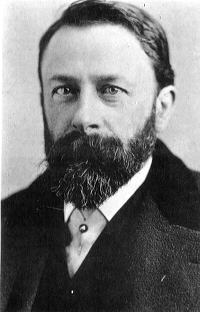
Albert Bierstadt was a German–American painter known for grand 19th-century landscapes of the American West, made from sketches and oil studies gathered on expedition and finished into large exhibition pictures. His canvases turned mountains, valleys, waterfalls, and lakes into scenes of scale and drama, and they helped define how many viewers imagined the western United States.
| Born | January 7, 1830, Solingen, Germany |
|---|---|
| Died | February 18, 1902, New York City, United States |
| Nationality | German-American |
| Known for | Grand landscape painting, especially scenes of the American West |
| Materials and methods | Oil paint, preparatory sketching, field studies, studio composition, large-scale canvases |
Why Bierstadt matters
Bierstadt became one of the best-known painters of western landscape in the United States during the second half of the 19th century. He did not invent the subject, but he enlarged it into something theatrical and memorable, using light, atmosphere, and careful detail to give mountains and skies a persuasive monumentality. His work helped fix the West as a place of grandeur in the popular imagination.
That influence mattered beyond painting. Bierstadt’s images circulated in a period when railroads, settlers, survey parties, and tourists were moving westward, and they helped shape how those audiences pictured the land before many had seen it themselves. His paintings sit at the intersection of art, exploration, and national mythmaking.
How did he make these landscapes?
Bierstadt usually worked from direct observation rather than pure invention. He joined western expeditions and made drawings, oil sketches, and notes from sites such as the Rocky Mountains and Yosemite Valley, then returned to the studio to build finished works with layered paint and precise control of scale, light, and recession. The finished canvases often combine topographical observation with a heightened, idealized composition.
The results are recognisable by their luminous skies, sharply described foregrounds, and vast middle distances that open toward distant peaks or storms. Bierstadt often used dramatic contrasts of sunlight and shadow to stage the landscape as something almost sublime. The effect is not documentary in a modern sense; it is an edited version of place designed to impress, persuade, and endure.
What does Bierstadt’s style look like?
Bierstadt’s paintings are large, polished, and highly finished. He preferred panoramic compositions that guide the eye across water, rock, trees, and cloud before pulling it toward a central peak or opening in the distance. Details such as foliage, reflections, and atmospheric haze are rendered with enough clarity to feel observable, while the overall scene remains intensely arranged.
His color tends toward clear greens, silvery blues, warm earth tones, and bright highlights, often with a theatrical glow that suggests dawn, sunset, or clearing weather. The paintings can seem serene, but they are carefully constructed to produce awe. In that sense, the surface finish and the scale work together: the image has to look convincing close up and overwhelming at a distance.
How was he received, and what changed later?
Bierstadt enjoyed major fame in his lifetime, especially during the 1860s and 1870s, when large landscape paintings could attract wide public attention. Critics and collectors admired the technical assurance and spectacle of his work, though some later writers dismissed it as overly romantic or theatrical. As tastes shifted toward more restrained realism and modernist experiment, his reputation declined.
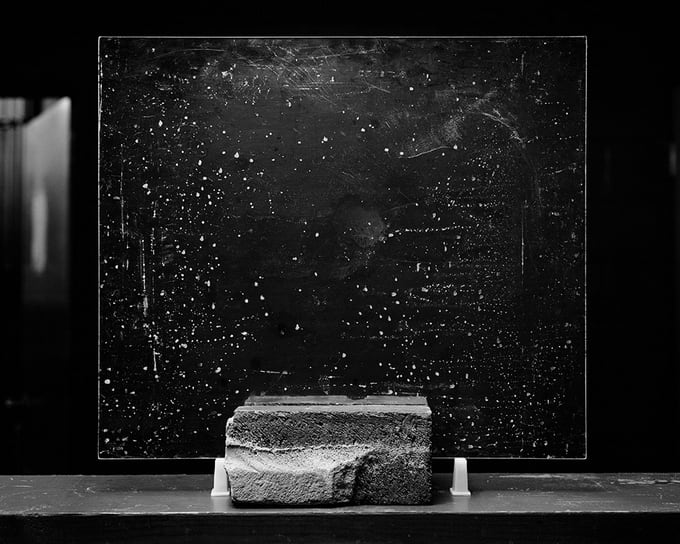
That decline does not erase his importance. Later artists and photographers have returned to Bierstadt both as a model of pictorial ambition and as a symbol of how landscape can be turned into national image-making. His work remains useful for studying the visual language of the American West: scale, clarity, distance, and the persuasive power of a composed view.
Frequently Asked Questions
Was Albert Bierstadt part of the Hudson River School?
He is usually associated with the Hudson River School, although his work extends that tradition westward. The earlier school focused on the eastern United States and on painted ideas of nature as grand and ordered. Bierstadt adopted its love of panoramic scale and atmospheric effect, then applied those methods to western subjects.
Did Bierstadt paint from photographs?
He primarily relied on sketches, field studies, and memory, not on photography as his main working method. Photography did circulate in the period and shaped broader views of the West, but Bierstadt’s paintings are built as paintings, with compositional choices that organize the scene for dramatic effect. His work therefore feels observational without being literal.
Why do artists and photographers still reference Bierstadt?
They return to him because he shows how landscape can carry both description and ideology. His paintings are about more than scenery: they frame land as vast, available, and culturally charged. Contemporary artists often quote that visual grammar either to borrow its grandeur or to question the assumptions behind it.
Articles mentioning Albert Bierstadt