Barbie is a fashion doll created by Ruth Handler and launched by Mattel in 1959. She began as a plastic toy with a small wardrobe and a grown-up silhouette, but she quickly became a mass-produced image of femininity, style and consumer fantasy. Over time, Barbie grew into a brand system that includes dolls, accessories, friends, family members, careers and collectible editions.
- First released in 1959 by Mattel, the American toy company.
- Created by Ruth Handler, who drew inspiration from the German doll Bild Lilli.
- Made as a fashion doll: a figure designed to wear interchangeable clothes and accessories.
- Expanded from one doll into a large branded universe of characters, vehicles, houses and themed releases.
- Known as both a toy and a cultural symbol, especially in debates about beauty standards, gender and representation.
Where did Barbie come from?
Barbie appeared at the New York Toy Fair in 1959 and was pitched as a doll that let children project adult roles onto a figure with a clearly defined body and wardrobe. Ruth Handler, one of Mattel’s founders, saw that many children used paper dolls to imagine adult futures. She wanted a three-dimensional version with clothes that could be changed, collected and displayed.
Her inspiration came in part from Bild Lilli, a German doll based on a comic character and sold as a novelty item for adults before becoming a toy. That origin matters because it shows Barbie was not invented from nowhere: she adapted existing ideas about glamour, display and miniature fashion into a new mass-market product. Mattel then industrialised the idea with molded plastic, serial production and an expanding accessory line.
What makes Barbie a fashion doll?
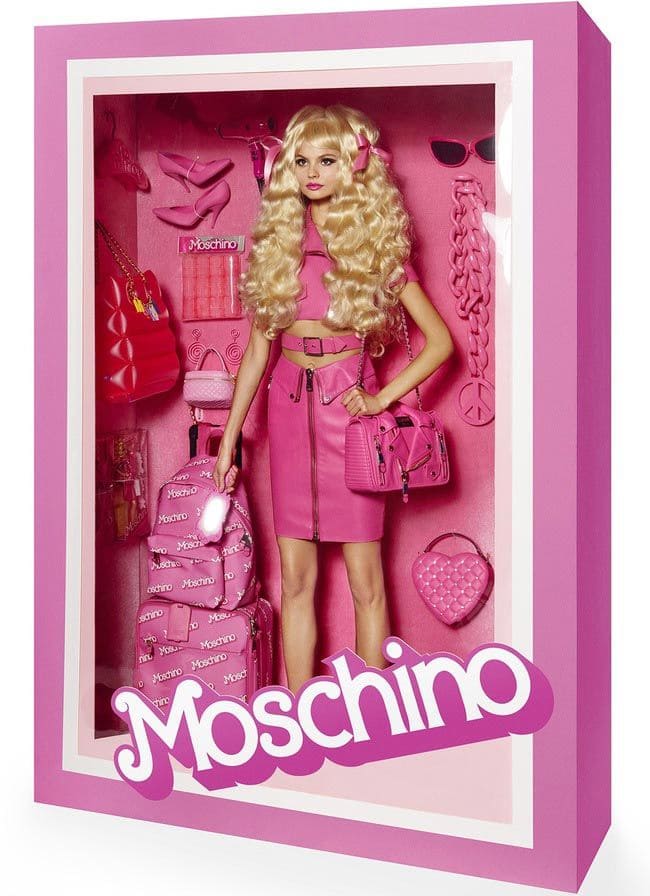
A fashion doll is defined by dress, pose and variation. Barbie’s body is proportioned to make clothing the central feature: dresses, swimwear, career uniforms, couture looks and seasonal outfits have always been part of the product. The doll’s value lies not only in the figure itself but in the system around it, including shoes, handbags, furniture, cars, dream houses and themed packaging.
In practice, that means Barbie is designed for styling. The toy’s long legs, narrow waist and arched feet create a specific look on the shelf and in play, while the clothes and accessories do much of the expressive work. Even when the doll changes shape, skin tone, hair texture or face sculpt, the basic grammar remains the same: a body made for fashion, display and role-play.
Why does Barbie matter culturally?
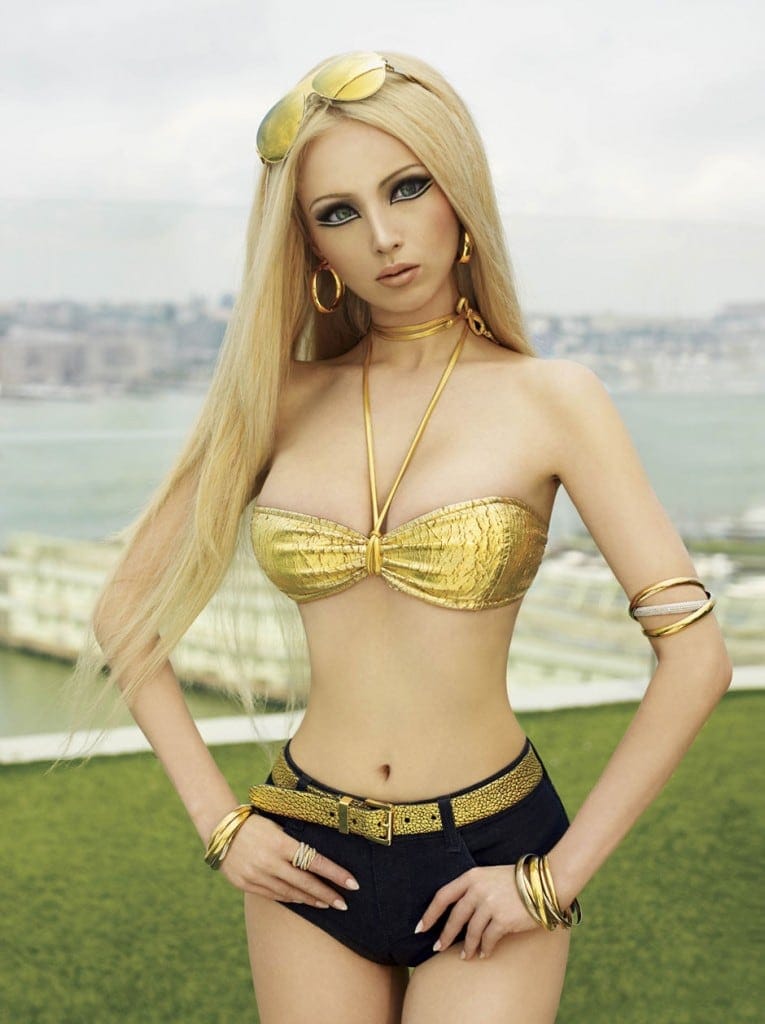
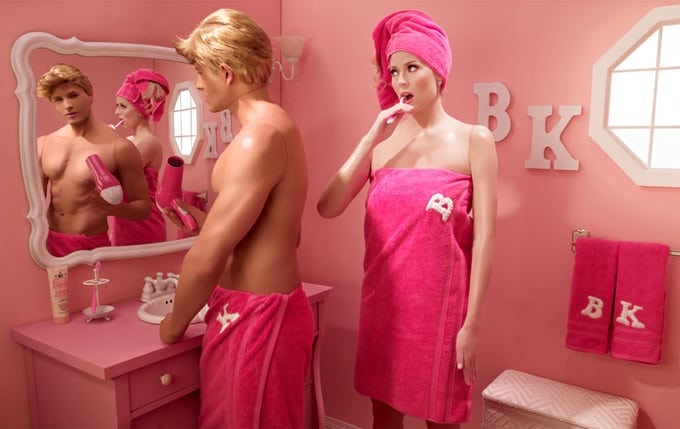
Barbie became one of the most recognisable commercial images of the 20th century. She shaped ideas of childhood play, but she also became a reference point in debates about beauty ideals, gender performance and consumer culture. Because Barbie is so visually specific, artists and photographers often use her as shorthand for manufactured femininity, aspiration or artificial perfection.
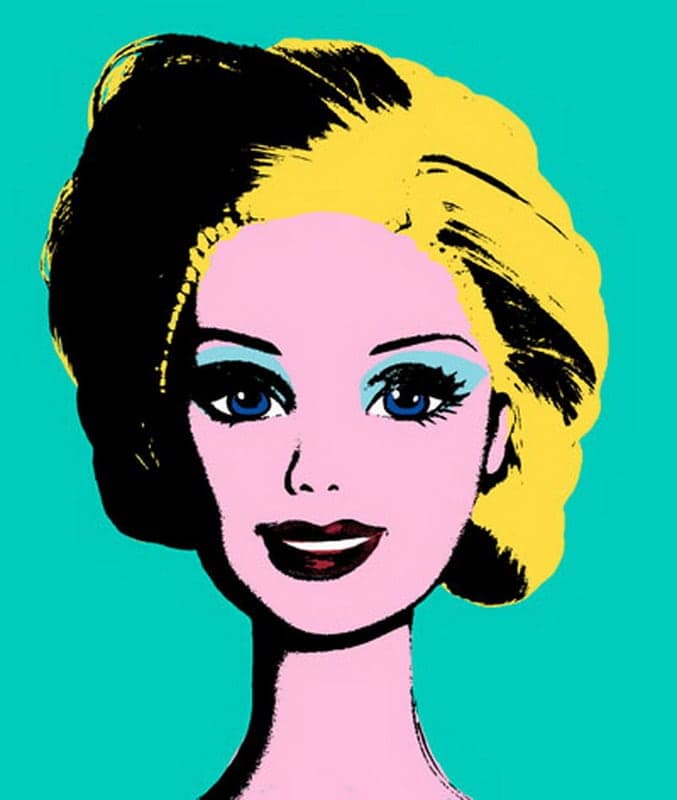
That is why Barbie appears so often in visual culture projects, from staged photography to critique and parody. Some makers use the doll to expose stereotypes; others treat her as a nostalgic object or a model of design consistency. In either case, the image is instantly legible: blond hair, fixed smile, glossy plastic skin, a wardrobe that signals a lifestyle as much as an outfit.
How has Barbie changed in practice?
Barbie has changed through manufacturing, marketing and redesign. Mattel has released many versions: different professions, ethnicities, body types and collaborations with fashion labels and artists. The basic product line still depends on molded heads and limbs, synthetic hair, sewn or printed garments, and accessory sets produced for retail and collector markets.
Those changes show how a toy becomes a platform. Barbie can be a child’s plaything, a collector’s object, a design reference or a subject for critique without losing her core identity as a branded doll. The most important thing about her is not one outfit or one face sculpt, but the repeatable format that can absorb endless variations.
Frequently Asked Questions
Was Barbie based on a real person?
Not directly, but she was shaped by existing models. Ruth Handler drew inspiration from Bild Lilli, a German doll with adult styling and a glamorous image. Barbie also reflects broader mid-century ideas about fashion, femininity and consumer life rather than one individual.
Why is Barbie so often used in art and photography?
Barbie is useful because she is instantly recognisable and highly coded. Her appearance signals mass production, beauty ideals and scripted identity, which makes her an efficient tool for satire, critique and staged narratives. Artists use that clarity to comment on class, gender, fantasy and artificiality.
Is Barbie just a toy, or a design object too?
Barbie is both, and the design matters as much as the play value. Her molded body, interchangeable clothing, packaging and accessories are all part of a carefully built product system. That system is why Barbie functions as a cultural object, not only a childhood toy.
Articles mentioning Barbie