Frida Gustavsson is a Swedish fashion model known for editorial work, runway appearances, and campaign images for major fashion magazines and luxury brands. Born in 1993, she rose quickly in the early 2010s, when her sharp bone structure, long frame, and adaptable presence made her a frequent choice for photographers working across high fashion and commercial fashion contexts.
- Field: Fashion modelling
- Nationality: Swedish
- Born: 6 June 1993
- Known for: Editorial shoots, runway work, advertising campaigns
- Industry profile: Ranked among the top international models in the early 2010s
How did Frida Gustavsson become known?
Gustavsson emerged during a period when fashion magazines and casting directors favored models who could move between runway, print, and campaign work without losing a distinct visual identity. Her early visibility came through editorial photography, where her expression could read as cool, severe, or soft depending on styling and lighting. That flexibility helped her stand out in a field where a model’s face is often shaped as much by the photographer’s direction as by personal pose.
By 2012, she had reached a notable position in the industry’s ranking culture, appearing near the top of Models.com’s women’s list. Those rankings matter less as proof of artistry than as a snapshot of demand: they show which models were circulating through the most visible campaigns, magazines, and runway shows at a given moment. Gustavsson’s placement reflected a strong presence across fashion media rather than a single breakout image.
What does Frida Gustavsson look like in fashion work?
Gustavsson’s work tends to rely on structure. In photography, she often reads best in clean compositions that let the photographer play with proportion, fabric texture, and line. That makes her effective in clothing that depends on silhouette: tailored coats, sharp shoulders, fluid drape, or minimal garments that ask the body to carry the image.
Her published shoots show how fashion models function as working surfaces for styling, lighting, and art direction. In a magazine feature, one image may push glamour through polished hair and precise makeup; another may strip the styling back to emphasize posture and bone structure. Gustavsson’s usefulness to editors and brands lies in that range, which can support both commercial polish and a more avant-garde mood.
Where has she appeared?
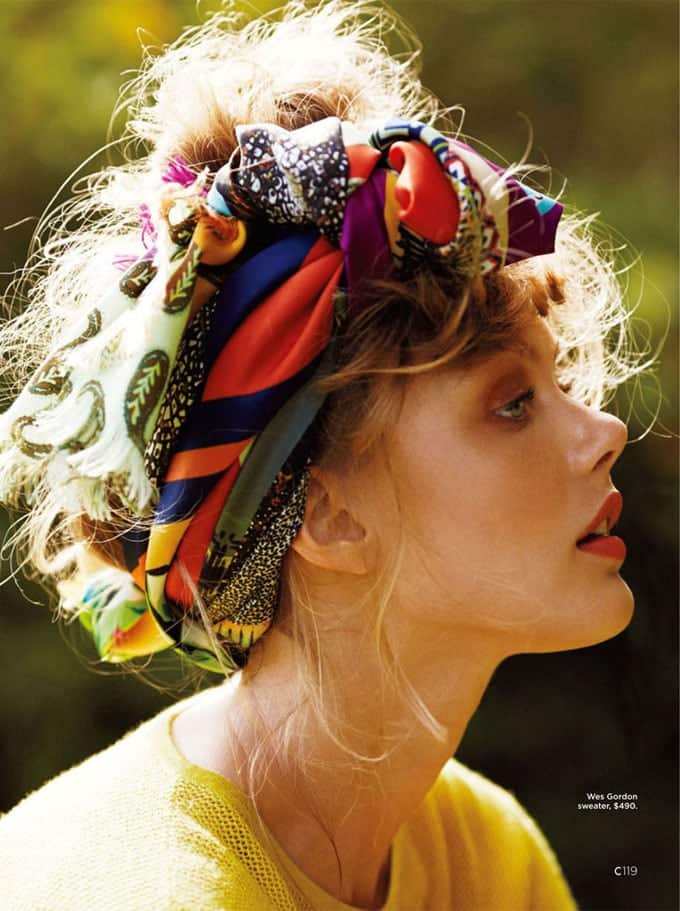
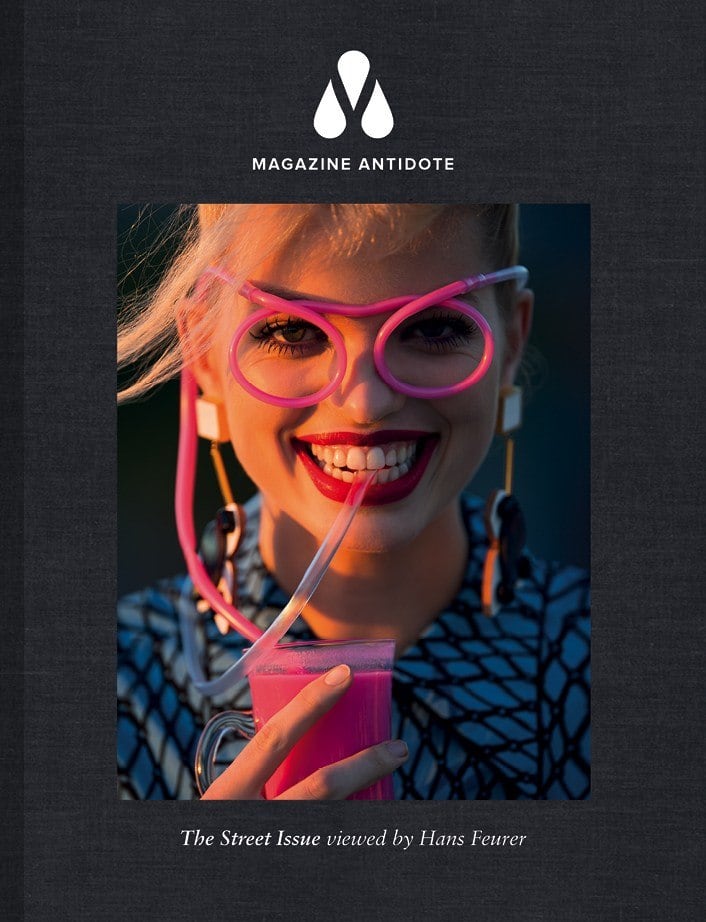
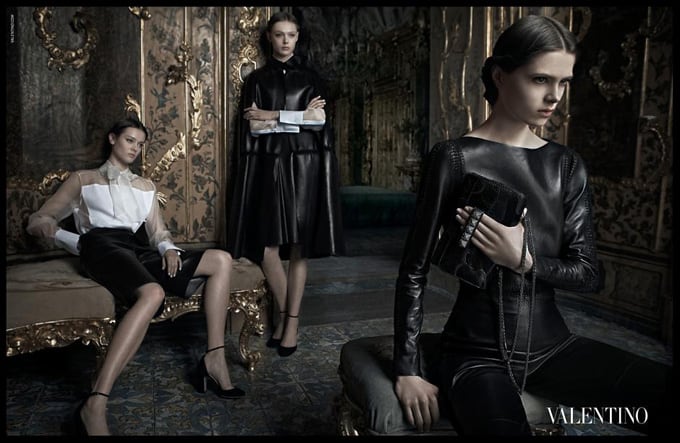
Gustavsson has appeared in editorial spreads for titles such as C Magazine, 25 Magazine, and Antidote, as well as in fashion campaigns including Valentino’s Autumn/Winter 2012 advertising. She also appears in FreeYork’s coverage of Scandinavia S/S/A/W and IKEA’s Konstrunda collection, showing how a model’s image can move beyond runway fashion into broader visual culture and branded editorial projects.
Those appearances matter because fashion models rarely exist only as names. Their work is assembled through teams: photographers, stylists, hair artists, makeup artists, casting directors, retouchers, and creative directors. Gustavsson’s career is a useful example of how a model becomes legible through that network, not through pose alone.
Why does she matter in fashion culture?
Gustavsson belongs to a generation of models who helped define the look of early-2010s fashion imagery: lean, controlled, and often slightly severe, but still adaptable enough to serve both luxury branding and magazine experimentation. Her presence in major titles and campaigns shows how a model can become part of the visual language of a period, even when the model is not the subject of the story.
For readers interested in how fashion images are made, Gustavsson is a reminder that a model is not just a face. She is part of the production method of a picture, carrying fabric, scale, mood, and movement into the frame. In practice, that means posture, gesture, and facial control can change the meaning of the same garment entirely.
Frequently Asked Questions
Is Frida Gustavsson primarily a runway model or a print model?
She has worked in both, but her published visibility has been especially strong in editorial and campaign photography. That kind of work shows a model’s ability to hold a frame, adapt to styling, and support a creative concept. Runway work and print work use different skills, and Gustavsson has been effective in both settings.
Why do Models.com rankings matter?
Models.com rankings track visibility and industry demand, not artistic merit in a strict sense. They reflect how often a model appears in major campaigns, magazines, and shows, which makes them a useful shorthand for influence within fashion. Gustavsson’s ranking in the early 2010s signaled that she was in heavy circulation across the industry.
What makes a model like Gustavsson useful to a fashion team?
Castings often favor models who can carry different moods without losing recognizability. Gustavsson’s face and figure work well with tailoring, minimal styling, and high-contrast photography, which gives photographers and stylists room to build a clear image. That versatility is valuable because it lets one person serve multiple visual goals across different projects.
Articles mentioning Frida Gustavsson