
Lana Del Rey is the stage name of Elizabeth Woolridge Grant, an American singer-songwriter known for cinematic pop songs built around nostalgia, American iconography, and a carefully constructed public image. She emerged in the early 2010s with a sound that mixed torch songs, hip-hop-influenced production, and slow, echoing vocals, then became one of the most recognisable figures in contemporary pop culture.
Stories from Lana Del Rey
13 stories





About Lana Del Rey
- Born Elizabeth Woolridge Grant in 1986; she performs under the name Lana Del Rey.
- First built a following in New York clubs before signing her early recording deal with 5 Points Records.
- Broke through with a stylised online image and the release of Lana Del Ray a.k.a. Lizzy Grant in 2010.
- Her work often uses old Hollywood, roadside America, melancholy, and glamour as recurring visual themes.
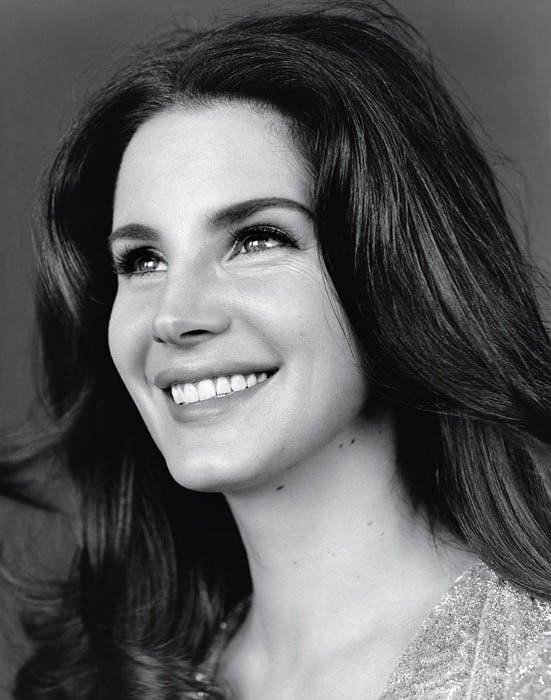
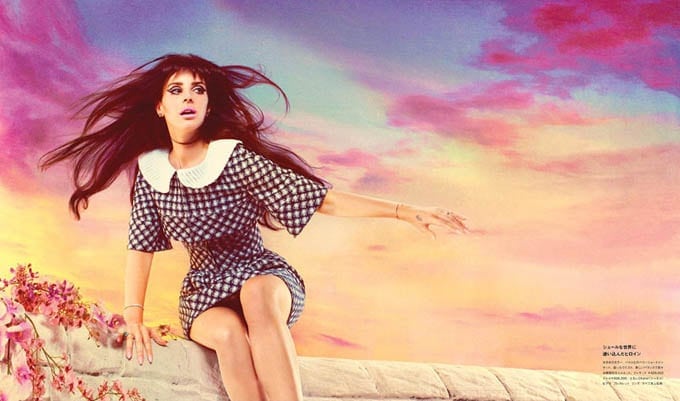
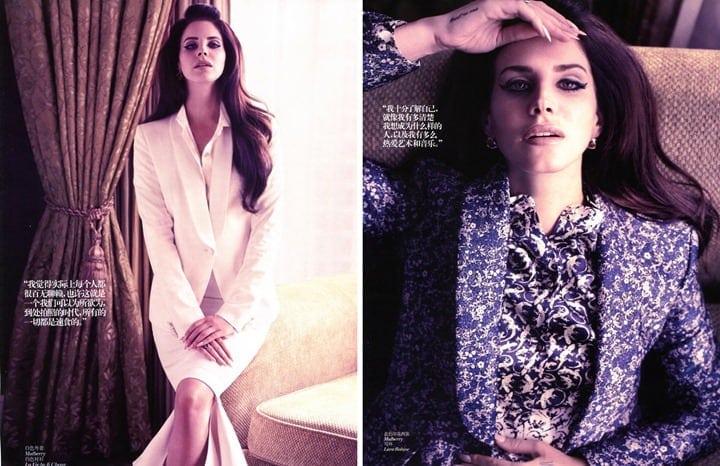
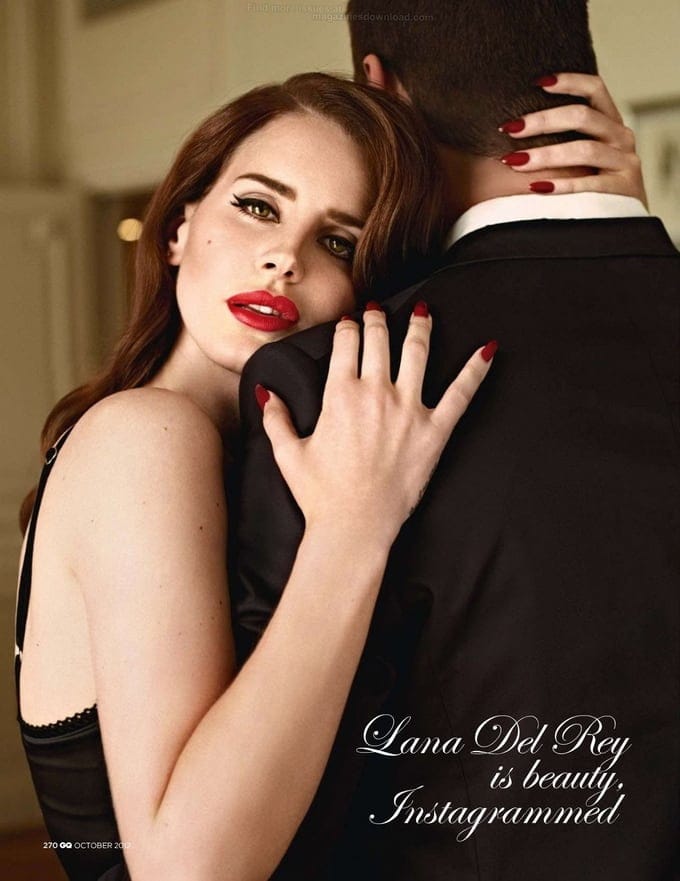
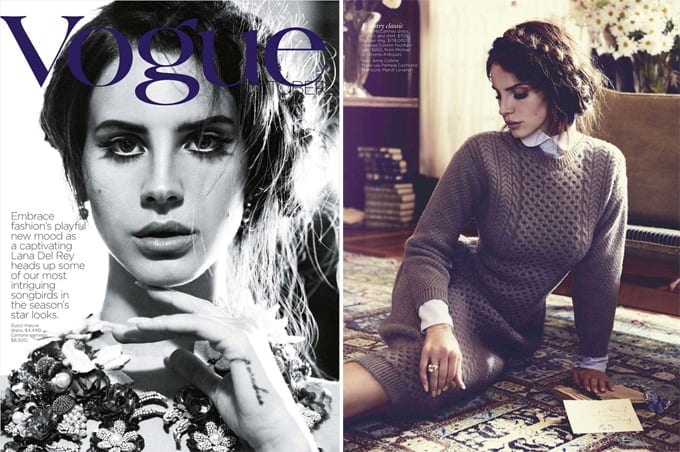
- She is also a recurring fashion and editorial subject, appearing in magazines and image-led features as often as in music coverage.
Read the full overviewWhere did Lana Del Rey come from?, What is her music known for?, Why does Lana Del Rey matter in visual culture?, How is her persona constructed?
Where did Lana Del Rey come from?
Grant was born in New York State and began performing in clubs in New York City as a teenager. Before the Lana Del Rey persona became widely known, she worked through several musical identities and releases, including the little-seen album Lana Del Ray a.k.a. Lizzy Grant. That early period matters because it shows how deliberate the project was: the stage name, the voice, the imagery, and the mood were assembled into a coherent artistic identity rather than arriving as a casual pop debut.
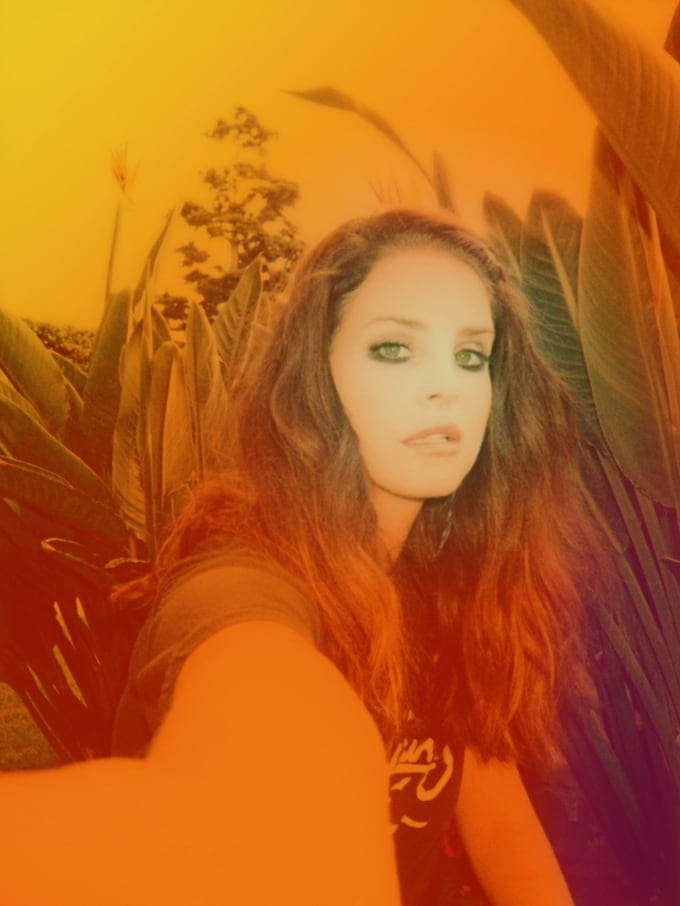
Her rise was accelerated by the internet, where the combination of hazy nostalgia, distressed glamour, and self-mythologising visuals travelled quickly. She became known not only for songs, but for a specific kind of star image: retro without being historical, polished but emotionally bruised, and tied to a sense of American decline as much as to romance.
What is her music known for?
Lana Del Rey’s songs usually move at a slow to midtempo pace and lean on spacious production, mournful melodies, and highly specific lyrical scenes. She often writes in the first person, but the voice feels like a character, one that blends confession, performance, and quotation. The result is music that sounds intimate while remaining carefully staged.
Her imagery draws from classic film, California myth, motel culture, consumer Americana, and tabloid celebrity. Rather than aiming for realism, the songs build a mood: soft-focus desire, doomed relationships, luxury tinged with decay, and a fixation on beauty that is always slipping out of reach. That combination made her influential far beyond pop, because designers, photographers, filmmakers, and editors could borrow the atmosphere even when they were not quoting the music directly.
Why does Lana Del Rey matter in visual culture?
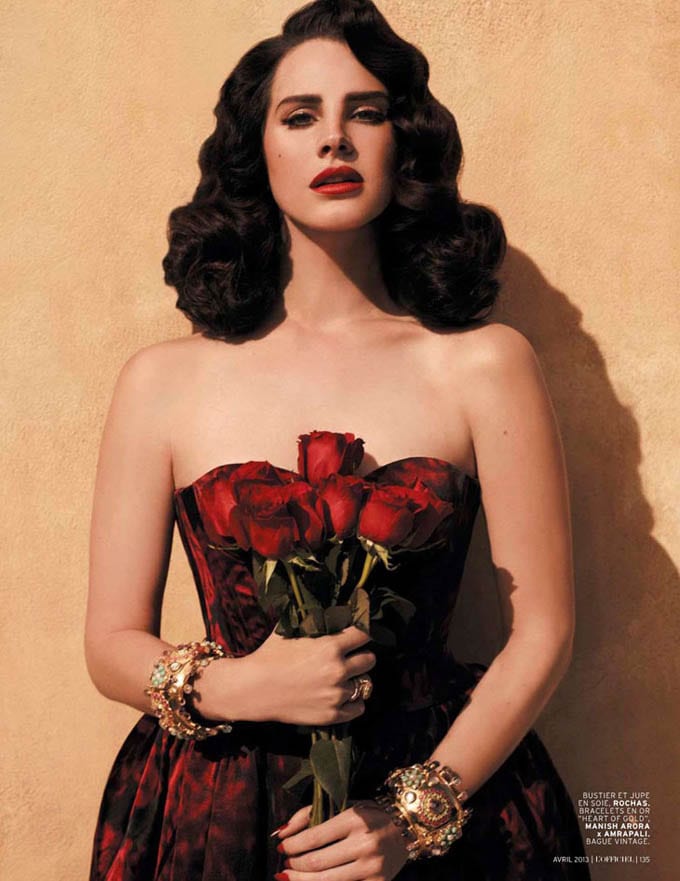
Del Rey became a major reference point for editorial styling, music-video art direction, and fashion photography because her work already behaves like a visual archive. She presents herself in gowns, veils, vintage swimsuits, leather jackets, and pin-up silhouettes, but those costumes are not just decorative. They support the larger fiction of a lost American dream, a theme that is easy to translate into magazine spreads, album covers, and brand campaigns.
That is why her name appears so often in visual culture coverage. Photographers such as Neil Krug have used her image to build saturated, cinematic scenes; magazines have cast her as a cover subject because her face and styling carry an instant concept. She also fits a wider design language built from grayscale, faded colour, roadside signage, and analogue glamour, which explains why an artist might turn an album such as Ultraviolence into a diorama or why fashion editors keep returning to her as a model of mood.
How is her persona constructed?
The Lana Del Rey persona depends on control. Makeup, hair, typography, album art, and wardrobe all work together to produce a recognisable signature: sculpted hair, lined eyes, pale skin, vintage silhouettes, and a sense of distance rather than spontaneity. Even when the look changes, it tends to stay within a narrow emotional range of elegance, sadness, and artificial nostalgia.
That constructed quality has sometimes drawn criticism, especially because the persona borrows heavily from American subcultures and older eras of femininity. But the construction is also part of the work’s meaning. Del Rey treats identity as an authored surface, and her image shows how pop stardom can be built through repetition, styling, and editorial framing as much as through the songs themselves.
Frequently Asked Questions
Is Lana Del Rey a real person or a character?
Lana Del Rey is the stage name of Elizabeth Woolridge Grant, so the person is real and the name is a performance identity. The distinction matters because the music and imagery rely on a carefully shaped persona. That persona is not fake in a simple sense; it is a deliberate artistic form.
What style of music does she make?
Her work is usually described as pop, but it also draws from dream pop, baroque pop, indie pop, and torch-song traditions. The production often uses strings, reverb, soft percussion, and samples that create a slow, cinematic atmosphere. The overall effect is lush, melancholic, and highly stylised.
Why is she so often used in fashion and art coverage?
Her image is built from clear, reproducible elements: vintage glamour, Americana, faded luxury, and emotional distance. That makes her easy to frame in magazine editorials and visual essays, where a single photograph can carry a whole mood. She functions as both musician and visual shorthand for a certain brand of romantic melancholy.