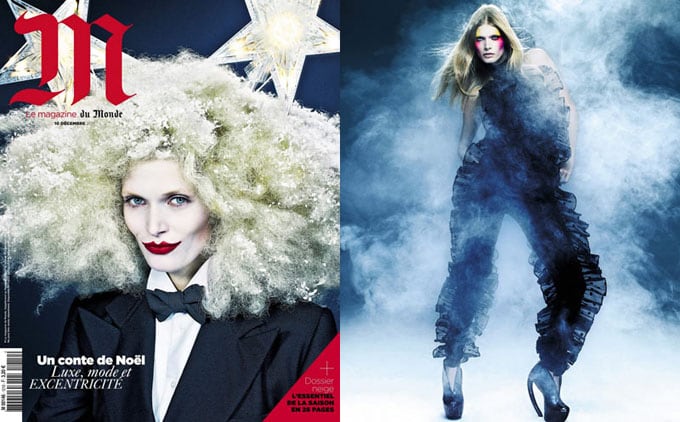
Le Monde is a French daily newspaper founded in Paris in 1944 by Hubert Beuve-Méry. It became one of France’s most influential papers, known for its sober design, long-form reporting, and central place in political and cultural debate.
- Founded in 1944, after the Liberation of Paris
- Published in Paris as an evening daily
- Built a reputation for independent, analytic journalism
- Known for a restrained page design that shaped modern newspaper style
- Published by the media group La Vie-Le Monde
Why does Le Monde matter?
Le Monde matters because it helped define the model of the French “newspaper of record”: serious, interpretive, and institutionally influential. Its founders wanted a paper that could cover the rebuilding of postwar France with distance and authority, rather than the partisan tone common in earlier press traditions. That editorial stance gave it weight far beyond its circulation numbers.
The paper also mattered visually. Its pages favored clarity, hierarchy, and text-led layout over sensational display. That made it a useful reference point for designers, editors, and illustrators working in print culture, where the balance between image and text still shapes how meaning lands on the page.
How was it founded?
Le Monde was created at the end of World War II, when French journalism was being reorganized after occupation and collaboration. Hubert Beuve-Méry, a journalist with experience in resistance-era publishing, launched the paper with the aim of building an independent national daily that could speak to educated readers across political lines. Its first issue appeared on 19 December 1944.
The paper took the unusual step of appearing in the evening, which gave it time to digest and interpret the day’s events rather than simply repeat dispatches. That schedule fit its editorial identity: more analysis than breaking-news urgency, and more synthesis than headline chasing.
What does Le Monde look like in practice?
As a newspaper, Le Monde is defined by a disciplined layout: dense columns, restrained use of color, and photography or illustration used to support rather than overwhelm the text. The visual language signals seriousness. Even when the paper runs art, portraiture, or cultural coverage, the overall presentation keeps a strong sense of editorial order.
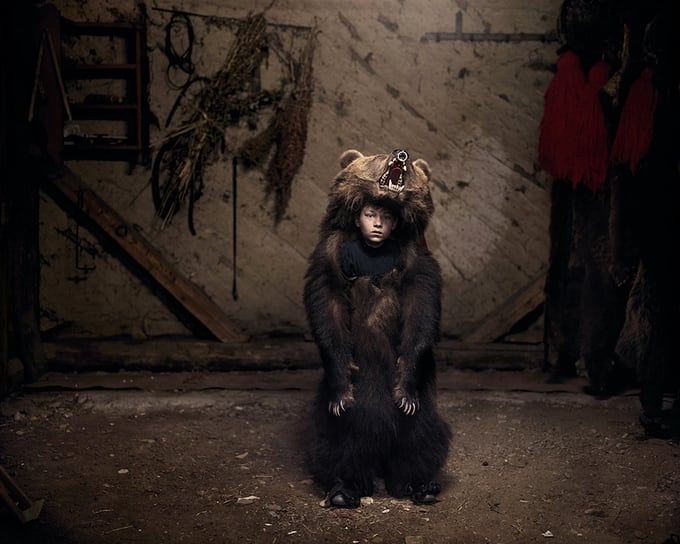
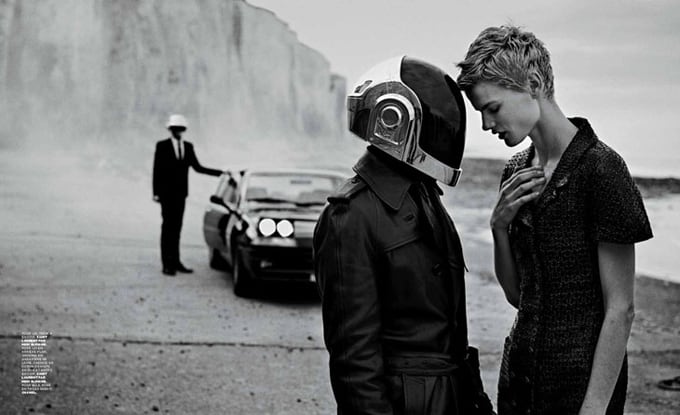
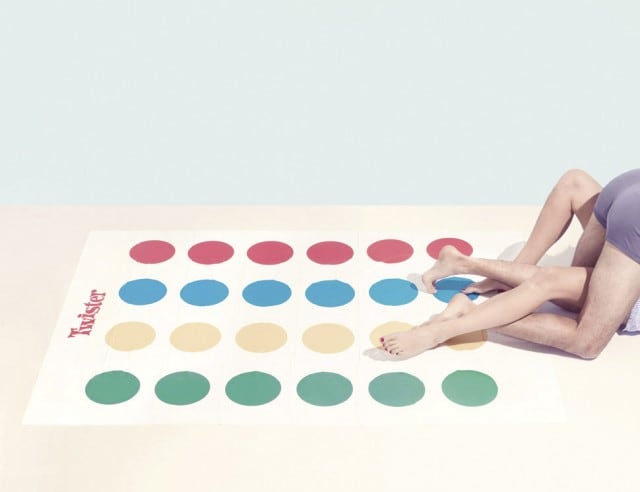
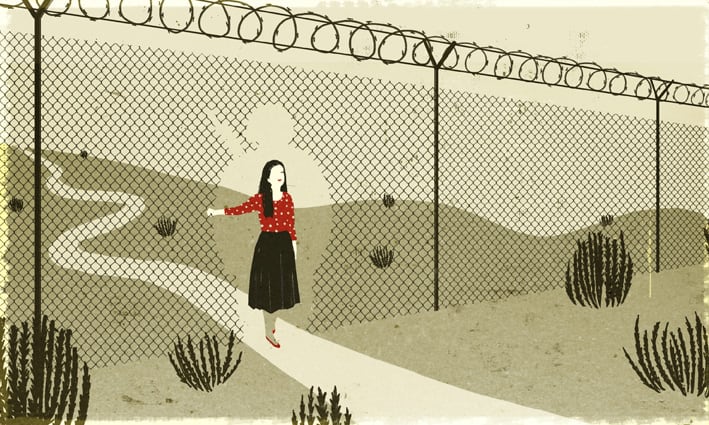
That approach has made the paper familiar to artists and image-makers who work with editorial commissions. An illustration or photograph placed in Le Monde is usually expected to carry a clear conceptual charge and to sit inside a rigorous page structure. The result is a publication style that treats images as part of an argument, not as decoration.
What kind of publication is it today?
Le Monde remains a daily newspaper published from Paris and distributed internationally. It is part of the La Vie-Le Monde Group, and it continues to occupy a central position in French public life through politics, economics, culture, and foreign reporting. The paper has also expanded online, but its reputation still rests on the authority of the print title.
Its status as a newspaper of record means that coverage often aims to be archival as much as immediate. That gives it long-term value for researchers, artists, and designers studying French visual and editorial culture, because it preserves a record of how events were framed as well as what happened.
Frequently Asked Questions
Is Le Monde conservative or left-wing?
Le Monde has usually presented itself as independent rather than tied to a single party line. Over time, commentators have placed it somewhere in the center-left of French journalism, but that label changes depending on the issue and the political moment. Its editorial identity has been more about seriousness and distance than about direct alignment.
Why is an evening newspaper important?
An evening newspaper has time to process events before going to press, which can produce fuller reporting and sharper analysis. That was especially significant in the postwar period, when readers wanted interpretation as much as news. The format helped Le Monde build a reputation for context and judgment.
Why do designers and illustrators pay attention to Le Monde?
The paper’s layout has long treated typography, image placement, and editorial rhythm as essential parts of meaning. For designers and illustrators, that creates a demanding but rewarding context, because the work must function inside a strong visual system. In practice, Le Monde has served as a benchmark for how a serious newspaper can look without becoming static or dull.
At a glance
- Founded
- December 18, 1944
- Address
- Paris, France
Articles mentioning Le Monde