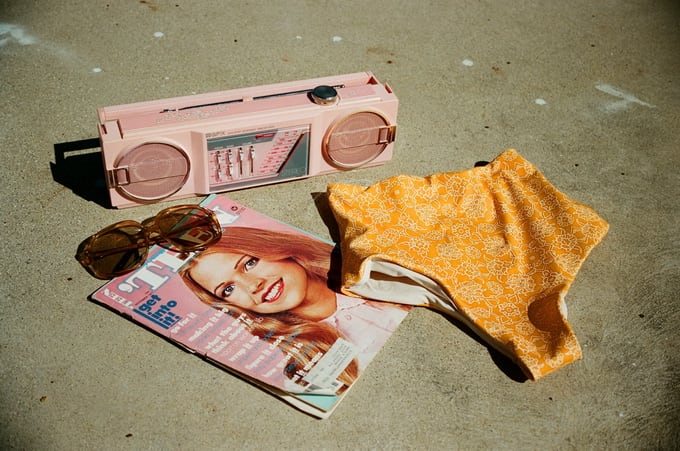
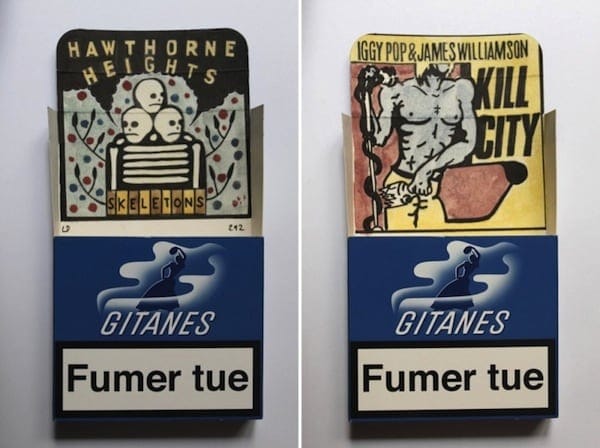
Mixed media is an art form or technique that combines more than one material or medium in a single work. A mixed-media piece might bring together paint, ink, collage, pencil, found objects, fabric, photography, plaster, metal, or digital print, often on one surface or within one installation. The term is most common in visual art and describes both the finished work and the process of assembling it.
- Mixed media refers to the use of multiple art materials in one work.
- It is common in painting, drawing, collage, sculpture, printmaking, and installation.
- The materials are usually chosen for their different textures, surfaces, or visual effects.
- Mixed media is not the same as multimedia art, which usually involves several forms of media or communication.
- Many contemporary artists use mixed media to layer image, texture, and found material into a single composition.
What makes a work mixed media?
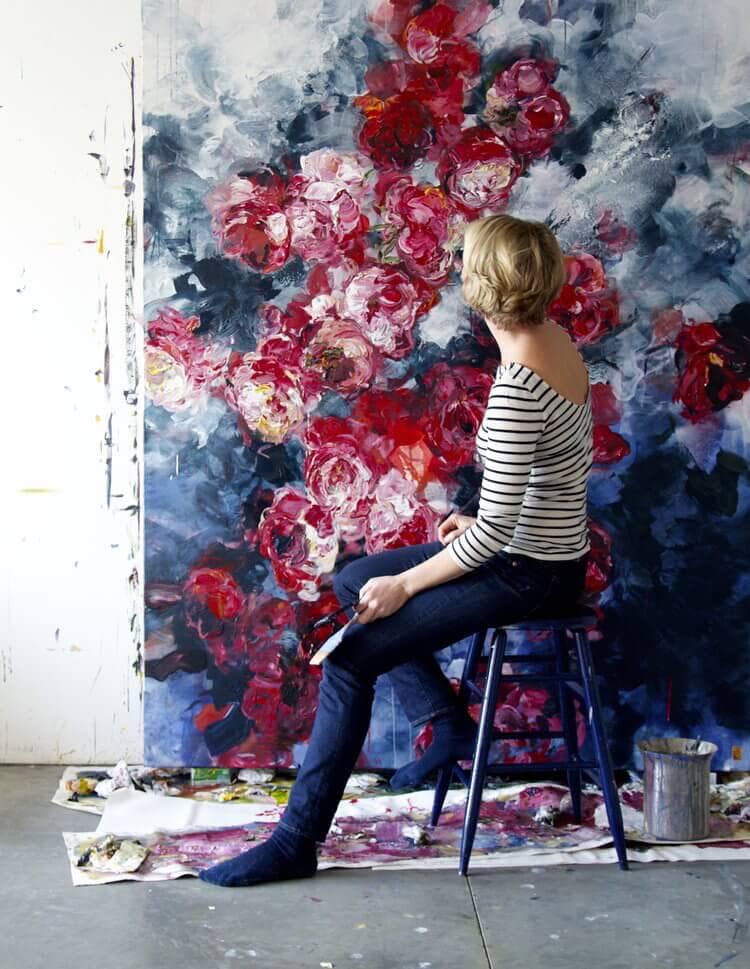
A work counts as mixed media when the artist intentionally combines distinct materials or techniques rather than relying on a single medium. A canvas that includes acrylic paint, marker, newspaper fragments, and stitched thread is mixed media. So is a sculpture made from wood, resin, wire, and printed paper, provided those elements are part of one coherent artwork.
The category is broad because it describes method rather than style. Mixed media can appear polished or rough, minimalist or crowded, traditional or experimental. What matters is the crossing of material boundaries inside one piece.
Where did mixed media come from?
Artists have mixed materials for centuries, but the term became especially important with modern art, when artists began to challenge the idea that a painting had to stay within paint alone, or that sculpture had to stay within stone or bronze. Collage, developed in the early twentieth century by artists such as Pablo Picasso and Georges Braque, helped establish the logic of mixed-media practice by treating everyday materials as legitimate art matter.
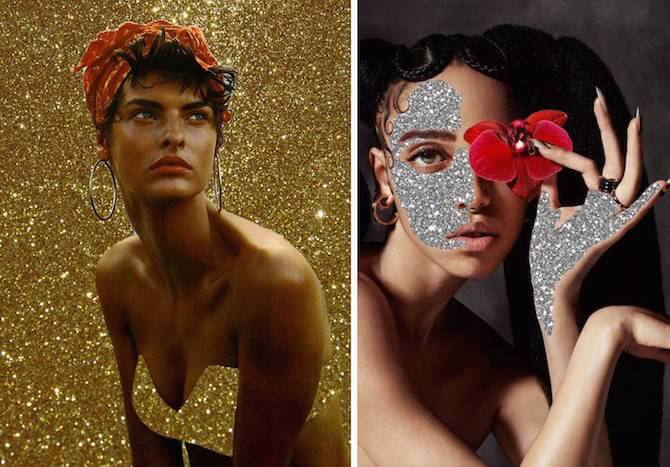
From there, the approach expanded through assemblage, Dada, Surrealism, postwar abstraction, and contemporary installation art. As artists gained access to more materials and processes, mixed media became less of an exception and more of a normal working method. Today it appears in studio painting, craft-based practices, fashion photography, book art, and exhibition design.
Why do artists use it?
Mixed media lets artists create contrast through material choice. Paint can provide color and gesture, paper can add print or narrative fragments, fabric can soften or weight a surface, and metal or found objects can introduce structure, memory, or scale. The effect often depends on friction between materials: matte against glossy, flat against raised, handmade against industrial.
It also gives artists more control over meaning. A torn postcard, a scrap of packaging, or a pressed plant can carry cultural or personal reference that pure paint cannot. In practice, mixed media often becomes a way to build visual complexity without losing directness. The materials do part of the storytelling.
How does mixed media look in practice?
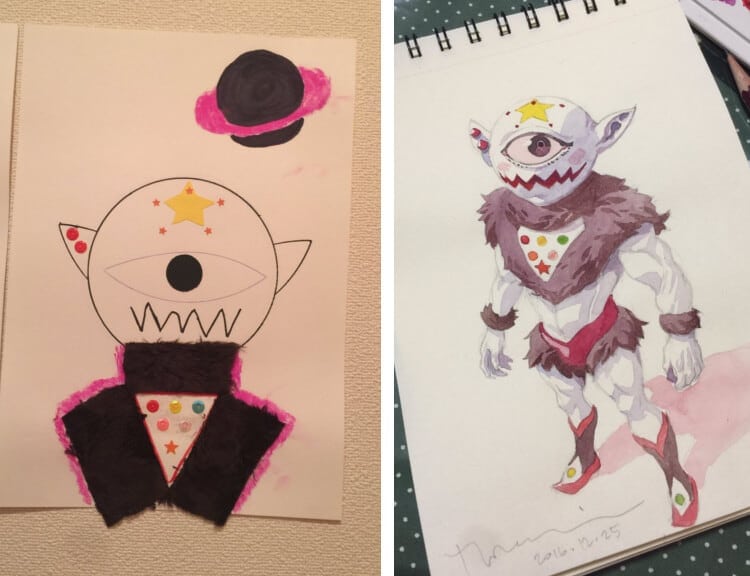
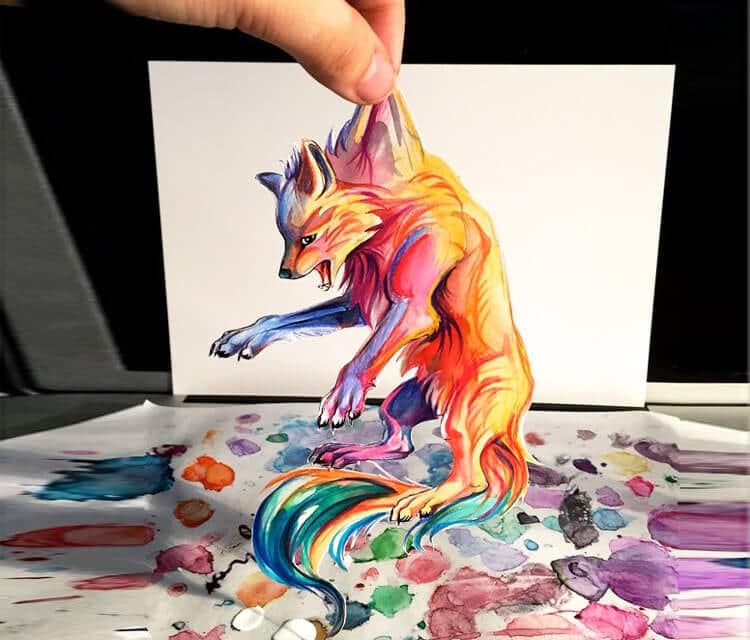
Mixed-media works often show visible seams, overlaps, and material transitions. Layers may remain exposed, so the viewer can see where glue has fixed paper to canvas, where ink sits over acrylic, or where a found object interrupts a painted field. In some cases the materials are meant to be obvious; in others they are carefully integrated into a unified surface.
In contemporary use, mixed media can also extend beyond flat work. Artists may combine steel, crystal, textile, pigment, projection, and sound in a single installation, as long as the work is still primarily organized through visual art practice. The range is wide, but the underlying principle stays the same: one artwork, several materials, one set of choices about how they hold together.
Frequently Asked Questions
Is mixed media the same as multimedia art?
No. Mixed media usually refers to a single visual artwork made from more than one material or technique. Multimedia art usually involves different forms of media or communication, such as image, sound, video, text, or performance. The two terms overlap in casual use, but in art criticism they point to different things.
Can a painting be mixed media?
Yes. A painting becomes mixed media when the artist adds materials beyond traditional paint, such as ink, collage, pastel, sand, stitching, or printed imagery. The term says nothing about quality or style; it only describes the combination of materials used to make the work.
Is collage a type of mixed media?
Often, yes. Collage uses pasted paper or other materials to build an image, and many collages also include drawing, painting, or print elements, which places them firmly within mixed-media practice. Not every mixed-media work is a collage, but collage is one of the clearest and most influential mixed-media techniques.
Articles mentioning Mixed media