
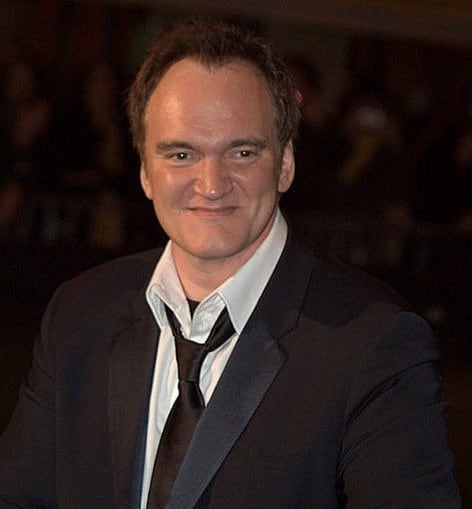
Quentin Tarantino is an American filmmaker known for writing and directing stylized crime films that mix dialogue-driven scenes, pop-culture references, sharp humor, and sudden bursts of violence. He built a career by turning borrowed genres—kung fu, westerns, gangster films, exploitation cinema, and war movies—into highly recognizable modern films.
| Born | March 27, 1963, Knoxville, Tennessee, United States |
|---|---|
| Occupation | Film director, screenwriter, producer, actor |
| Known for | Nonlinear narratives, genre pastiche, long dialogue scenes, stylized violence, needle-drop soundtracks |
| Notable films | Reservoir Dogs, Pulp Fiction, Kill Bill, Inglourious Basterds, Django Unchained, Once Upon a Time in Hollywood |
What makes Tarantino’s films distinctive?
Tarantino’s films often move in chapters rather than a straight line. He likes to withhold information, repeat scenes from different angles, and make structure part of the pleasure. The result is less about realism than about control: every scene is arranged to keep speech, timing, and anticipation under pressure.
He also uses violence as a design element. The bloodshed in his films is usually exaggerated, choreographed, and visually self-conscious, sitting beside witty conversation, vintage costumes, and carefully chosen songs. That combination made him one of the most discussed directors of the 1990s and helped define a certain strain of postmodern American cinema.
Where did his style come from?
Tarantino came up through video rental culture, working at Video Archives in California and absorbing a wide range of low-budget and international films. That background matters: his work does not resemble an academic history of cinema so much as a consumer’s memory of cinema, shaped by repeated viewing, dubbing, TV broadcasts, and mismatched genres.
His films draw heavily on spaghetti westerns, Hong Kong action cinema, Blaxploitation, French New Wave crime films, and American exploitation pictures. Rather than hiding those influences, he foregrounds them through imitation, quotation, and rearrangement. The effect can feel like collage, but the scenes are built with strong technical discipline: precise blocking, long takes, sharp editing, and soundtracks that often place an existing song at the emotional center of a sequence.
Why does he matter in film culture?
Tarantino became important because he showed that an independently produced film could dominate mainstream conversation without giving up a distinctly personal style. Reservoir Dogs and Pulp Fiction helped make Miramax-era indie cinema commercially viable, and his success widened the market for films that looked and sounded less polished than studio blockbusters but more aggressively authored.
He also changed how many viewers and filmmakers thought about citation. In his work, borrowing is not hidden behind prestige language; it is part of the performance. That approach influenced decades of genre cinema, though it also attracted criticism for lifting material from earlier films, for fetishizing violence, and for using racial slurs and caricature as part of his dialogue style.
How is Tarantino’s work made?
His writing usually starts with voice. Tarantino is known for extended talk scenes in which characters discuss food, music, movies, foot massages, or trivial routines before the plot snaps back into action. Those exchanges are not filler; they establish rhythm, power, and social tension, often making the eventual violence feel like a release of pressure built through language.
In production, his films tend to rely on careful control of image and sound. He frequently uses needle-drop tracks rather than original scores, casting the existing song as a narrative device. He also works with recurring collaborators in costume, editing, cinematography, and acting, creating a stable visual identity even when the setting shifts from a French countryside bunker to a California backlot.
Frequently Asked Questions
Is Quentin Tarantino an auteur?
Yes, in the usual film-studies sense. His films are instantly recognizable because they repeat a specific set of choices: nonlinear structure, stylized dialogue, genre cross-pollination, and controlled bursts of spectacle. That authorship is part of why his name became a brand as much as a credit.
Why do his soundtracks matter so much?
Tarantino uses pre-existing songs to set mood, mark time, and create irony. A well-placed track can turn a scene into a memory, because the song arrives with its own cultural baggage and emotional charge. In his films, music often does as much narrative work as the dialogue.
Why is he controversial?
His films have drawn criticism for graphic violence, repeated use of slurs, and for recycling material from earlier movies without always acknowledging the sources in a way critics find adequate. Admirers see reinvention; detractors see theft or empty style. Both reactions are part of his place in film history.
Articles mentioning Quentin Tarantino
