Stella McCartney is an English fashion designer known for building a luxury label around sharp tailoring, sportswear ease, and a strict refusal to use leather, fur, or feathers. She became one of the most visible designers of her generation by turning ethical sourcing and material innovation into a core part of her brand, not an afterthought.
- Born in London in 1971, she entered fashion after studying at Central Saint Martins.
- She is the daughter of Paul and Linda McCartney, but built a separate career through design, not celebrity alone.
- Her label is known for vegan luxury: no leather, fur, or feather products.
- She helped normalise technical fabrics, recycled materials, and performance-driven sportswear in high fashion.
- Her work sits at the point where commercial luxury and environmental claims meet.
How did Stella McCartney become a major fashion name?
McCartney trained in fashion design at Central Saint Martins, where her work drew attention for its clean cut and confidence. She took over Parisian house Chloé as creative director in 1997, then launched her own label in 2001 with backing from Gucci Group, now part of Kering. That move gave her a rare position: a designer with the freedom of an independent point of view and the infrastructure of luxury fashion.
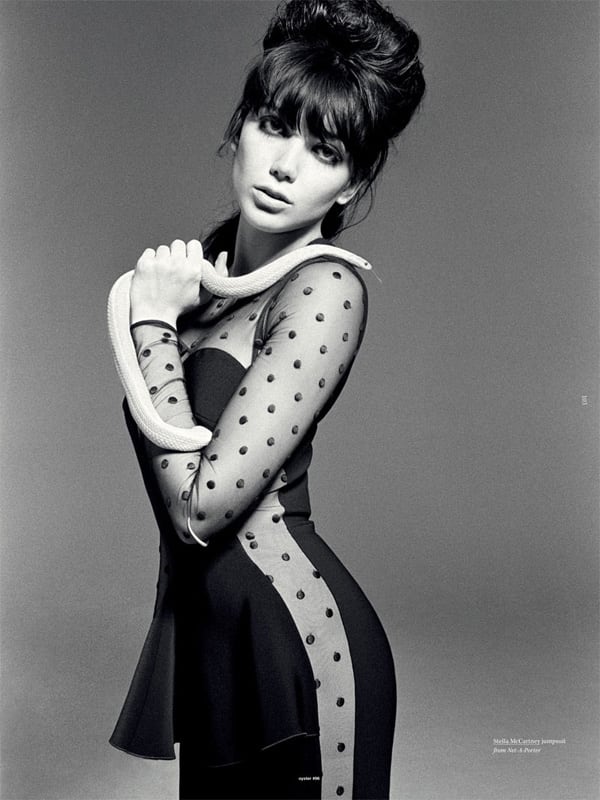
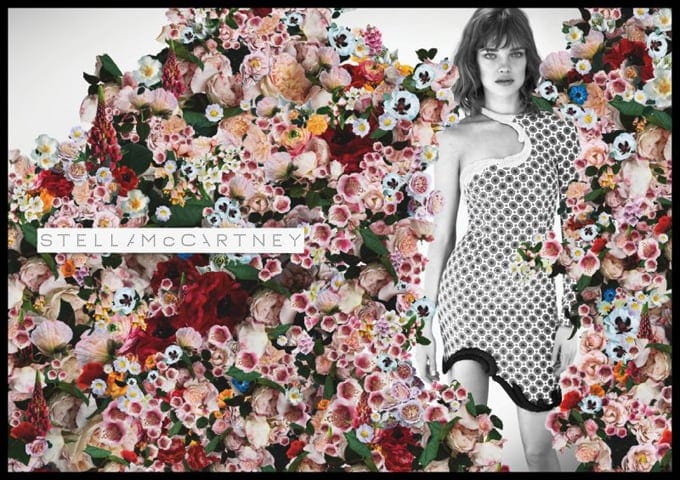
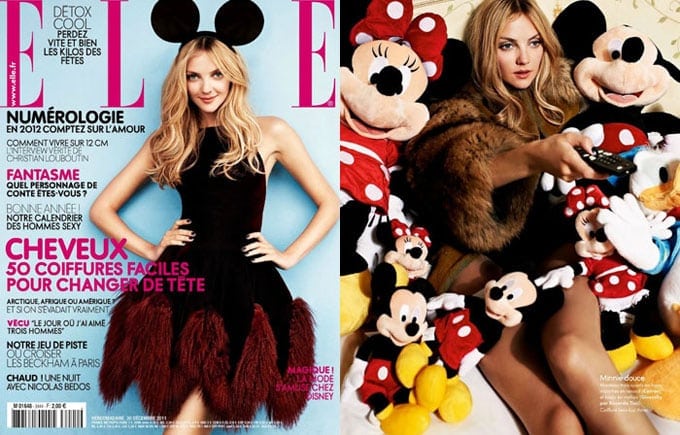
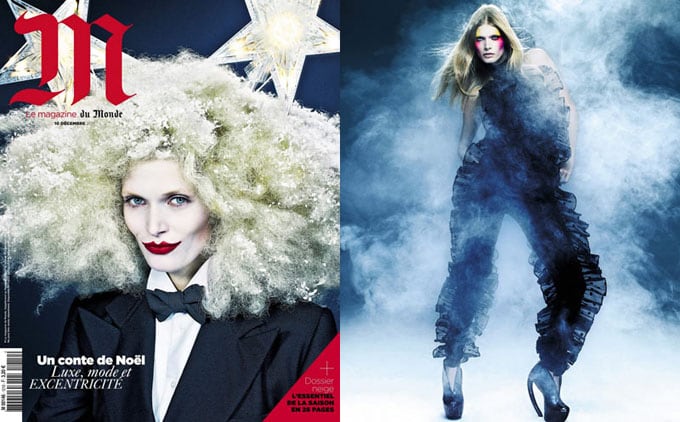
Her early collections established the lines that still define her brand. The clothes often combine precise tailoring with relaxed proportions, soft shoulders, and an athletic directness. She has long favoured clothes that move well on the body and read clearly in photographs, which explains why her work appears often in editorial fashion spreads and campaign imagery.
What makes her design approach distinctive?
McCartney is one of the best-known designers to make animal-free luxury central to a house identity. Her label does not use leather, fur, or feathers, which forces the use of alternatives such as coated canvas, regenerated nylon, viscose blends, polyurethane-based substitutes, and other synthetic or plant-based materials depending on the product. That decision changes how garments are cut, stitched, finished, and priced. It also makes her a useful case study in how ethics and aesthetics meet in contemporary fashion production.
The brand’s visual language is usually crisp rather than romantic. Tailored jackets, bias dresses, sharp trousers, platform shoes, and monogrammed sports pieces show up alongside knitwear and eveningwear. In practice, the work often relies on structure, surface finish, and proportion more than ornament. Her collections can look minimal, but they depend on a lot of technical decisions about drape, lining, and fabrication.
Why does Stella McCartney matter in fashion?
McCartney matters because she pushed the idea that sustainability could sit inside luxury rather than outside it. Long before many large fashion houses began talking seriously about recycled fibres, supply chains, or animal-free materials, her brand made those issues part of its public identity. That visibility affected how editors, buyers, and consumers talked about responsible fashion.
Her influence also extends through collaboration. She has worked with sportswear companies, beauty firms, and luxury retailers, helping circulate her design values into categories beyond runway clothing. The result is a body of work that shaped both the look of modern luxury and the language used to describe greener production.
What does her work look like in practice?
A Stella McCartney garment often shows the tension between polish and utility. A jacket may have the structure of classic tailoring but be made in a lighter fabric with a matte finish. A bag may look like a leather accessory at first glance while actually using synthetic substitutes or alternative coatings. Trainers, bodysuits, and logo pieces sit comfortably beside evening clothes, which gives the label a broad commercial range.
In editorial and campaign work, photographers often use that clarity to advantage. Her clothes photograph well because they carry strong outlines, clean surfaces, and recognisable silhouettes. The practical effect is a brand that can move between red carpet dressing, streetwear, and ready-to-wear without losing its identity.
Frequently Asked Questions
Is Stella McCartney’s brand fully vegan?
The label is known for avoiding leather, fur, and feathers, which makes it one of the best-known vegan luxury brands. That does not mean every material used is plant-based; many products rely on synthetics, regenerated fibres, or other engineered substitutes. The important point is that the brand’s animal-free policy is built into its design and sourcing choices.
Did she work for another fashion house before her own label?
Yes. McCartney served as creative director at Chloé, where she gained major industry visibility and honed the polished, feminine tailoring often associated with her later work. That position helped establish her credibility before she launched her own brand.
Why is she associated with sustainability?
Her brand made material ethics part of its public identity from an early stage, especially through its refusal to use animal-derived products. She also supported the use of recycled and lower-impact materials in high fashion at a time when many luxury labels treated those topics as peripheral. For that reason, her name often appears in discussions of sustainable design, responsible sourcing, and cruelty-free production.
Articles mentioning Stella McCartney