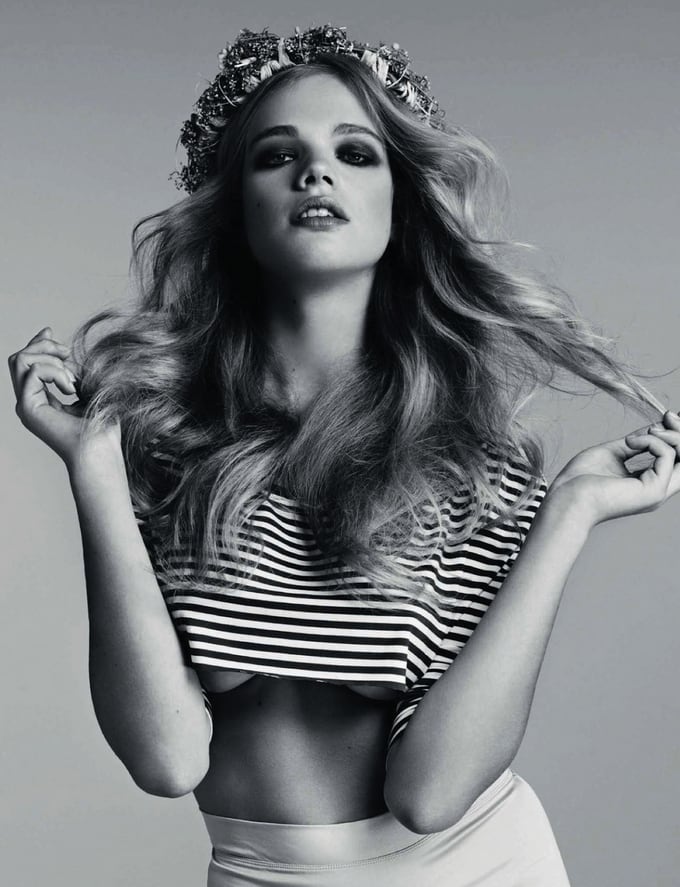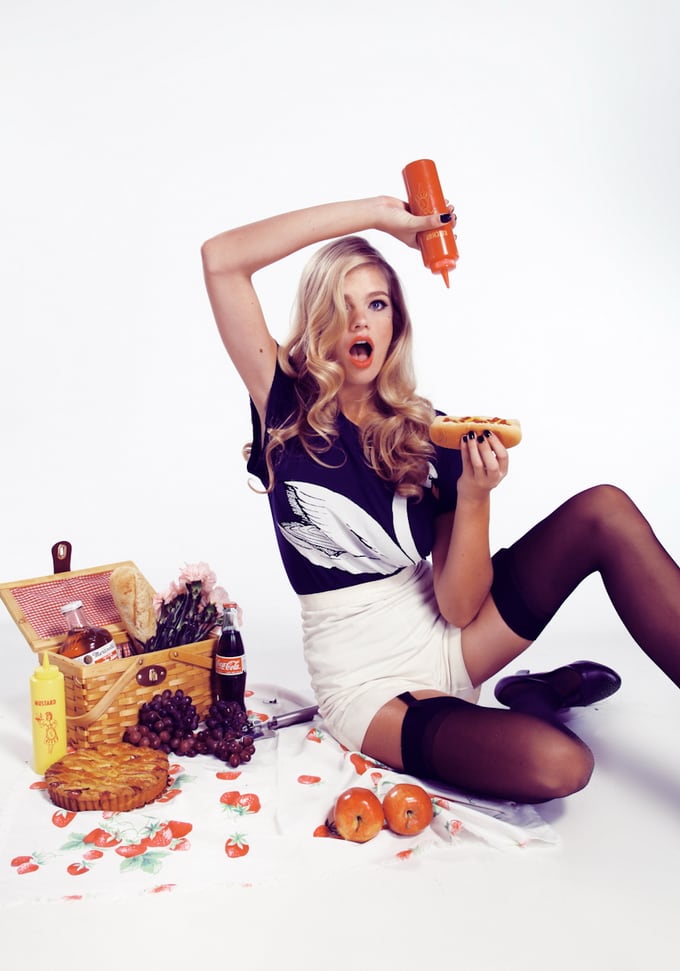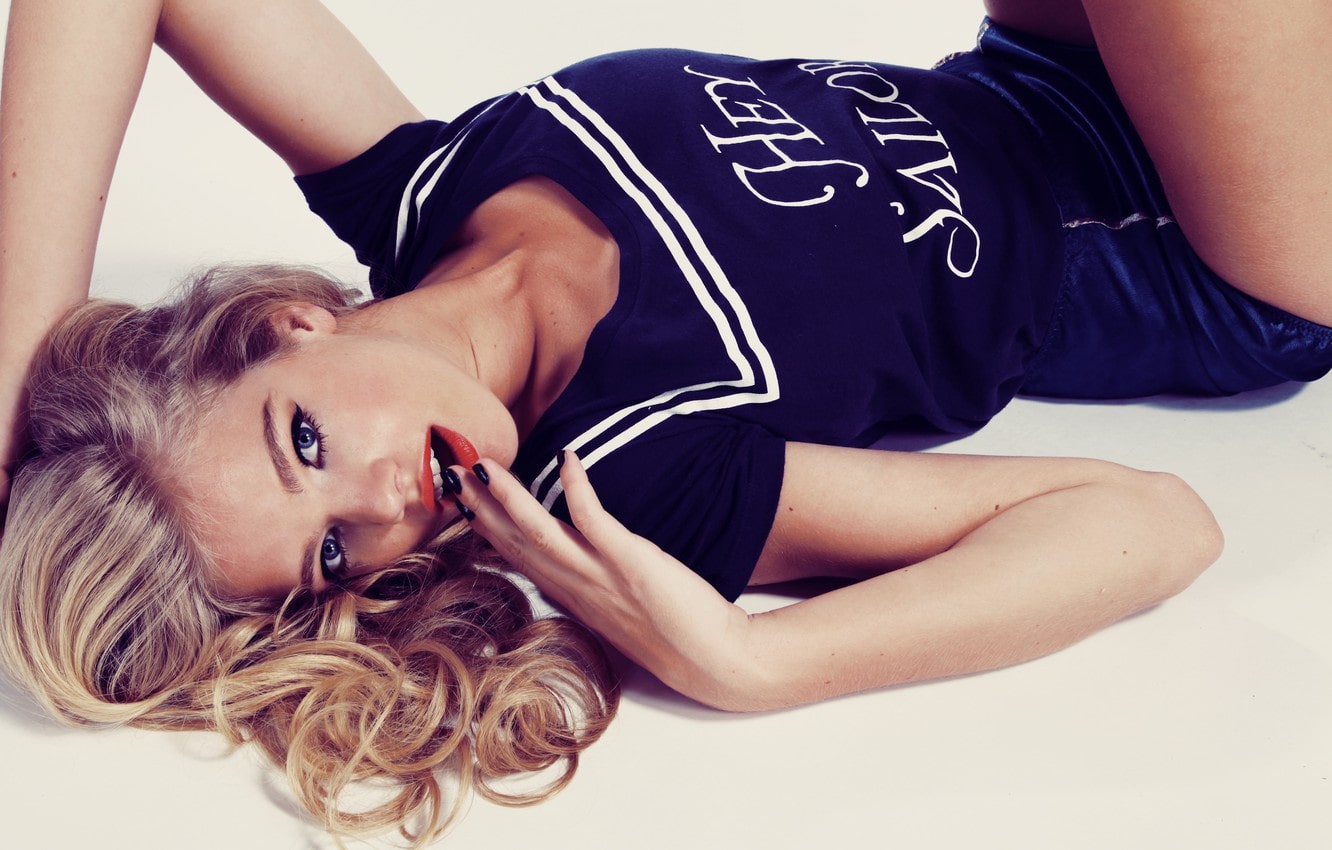
Valerie van der Graaf is a Dutch fashion model from Rotterdam who became known in the early 2010s for editorial work, lingerie campaigns, and magazine covers. She was discovered at 15 through social media and signed quickly, then moved into high-visibility image-making for fashion and lifestyle brands. Her career sits at the point where digital scouting, glossy publishing, and commercial modelling meet.
| Field | Fashion modeling |
|---|---|
| Nationality | Dutch |
| Hometown | Rotterdam, Netherlands |
| Discovered | At age 15, through an online social media site |
| Known for | Editorials, covers, swimsuit and lingerie campaigns |
How she entered fashion
Van der Graaf’s path into modelling reflects a newer industry pattern: talent scouts looking online rather than only in shopping centres, castings, or agencies. Being found at 15 meant her early work came through a professional pipeline that formed very quickly, with representation and bookings arriving soon after discovery. That kind of start often gives a young model immediate visibility but also places heavy pressure on image, travel, and timing.
Rotterdam is part of that story too. Dutch models have long appeared in international fashion because agencies in the Netherlands operate closely with Paris, Milan, London, and New York, and because the market rewards a broad, clean commercial look. Van der Graaf fit that system well: tall, photogenic, and adaptable across editorials, beauty work, and branded campaigns.
What kind of modelling is she associated with?
Her work belongs to the polished side of fashion imagery. Editorials place a model inside a visual concept, often with stylists, photographers, and art directors building a specific mood around clothes, makeup, and pose. Covers require a different skill: a face that can hold attention in a single frame and still serve the publication’s brand. Van der Graaf appeared in both, which suggests a model comfortable with fashion’s narrative and commercial demands.
She also became visible through swimsuit and lingerie publications, including high-circulation titles such as Sports Illustrated Swimsuit Issue and Playboy. Those placements matter because they push a model beyond fashion insiders and into broader pop culture. In practice, that usually means more direct, more body-forward imagery, with less reliance on complex styling and more emphasis on presence, proportion, and the photographer’s lighting choices.
Why her image worked in magazines and campaigns
Magazines and brands look for models who can change register without losing recognisability. A fashion editorial may ask for restraint and ambiguity, while a commercial campaign for swimwear or lingerie needs clarity, confidence, and immediacy. Van der Graaf’s career shows that range. Her face and figure could be read as high fashion in one context and as approachable, glossy advertising in another.
That flexibility also explains why she appeared in projects alongside other models, such as editorials for Jalouse and work for labels like Wildfox. Multi-model shoots depend on chemistry, posture, and rhythm rather than individual star power alone. A model who can hold her own in a group image, but still remain distinctive, has a practical advantage in this part of the industry.
Why does Valerie van der Graaf matter?
Van der Graaf matters because her career shows how modelling changed after social media became part of scouting. Discovery no longer had to happen through walking into an agency; an image online could lead directly to representation and a professional shoot schedule. That shift widened access while also making the industry faster, more visible, and more dependent on constant image circulation.
She also represents a familiar but important kind of model: not a designer, photographer, or brand founder, but the person whose body, face, and movement make the final image work. Fashion publishing depends on that labour. In editorial and commercial photography alike, the model is the medium through which styling, lighting, and art direction become legible.
Frequently Asked Questions
How was Valerie van der Graaf discovered?
She was discovered at 15 through an online social media website. That discovery quickly led to signing with representation and the beginning of a professional modelling career. It is a clear example of how digital platforms started to shape scouting in fashion.
What is she best known for?
She is best known for fashion editorials, magazine covers, and swimwear or lingerie work. Her visibility grew through publications and campaigns that put her in polished, high-contrast images rather than in niche runway-only work. That mix gave her a broad fashion profile.
Why do fashion publications use models like her?
Fashion publications need models who can carry clothing, mood, and brand identity in a single frame. A model like Van der Graaf can work in editorial, beauty, and commercial settings without losing visual consistency. That makes her useful to photographers, stylists, and art directors shaping an image-led story.
Articles mentioning Valerie van der Graaf