
Walt Disney Pictures is an American film studio and label owned by The Walt Disney Company. It serves as one of the company’s main live-action production banners and, in practice, the name most audiences see on feature films, family adventures, and large-scale franchise releases associated with Disney.
Stories from Walt Disney Pictures
28 stories




About Walt Disney Pictures
| Founded | 1923, as part of the Disney enterprise that became The Walt Disney Company |
|---|---|
| Owner | The Walt Disney Company |
| Headquarters | Walt Disney Studios, Burbank, California |
| Primary role | Production and branding for live-action feature films; also a release banner for many Disney-related animated features |
| Common alias | Disney |
Read the full overviewWhat does Walt Disney Pictures do?, Where did it come from?, Why does the Disney name matter on a film?, What does it look like in practice?
What does Walt Disney Pictures do?
Walt Disney Pictures develops, finances, produces, and brands feature films under the Disney name. For many decades, that name has functioned as a guarantee of tone as much as ownership: broad family appeal, polished craft, and a strong emphasis on character, spectacle, and emotional clarity. The studio has handled live-action projects directly, while animated films from other Disney-owned studios have often been released under its banner.
That distinction matters. Walt Disney Pictures is not the same thing as Walt Disney Animation Studios or Pixar Animation Studios, even though the names are often used interchangeably in casual conversation. Walt Disney Pictures is a studio label within a much larger media company, and its role is partly logistical, partly cultural. It ties a film to the Disney brand, its distribution system, and the expectations that come with that brand.
Where did it come from?
The studio grew out of the company founded by Walt and Roy Disney in 1923. As Disney expanded from shorts and animated features into live-action filmmaking, a dedicated film label became necessary. Walt Disney Pictures emerged as the company’s main feature-film identity, especially as the studio moved beyond animation and into family adventure, fantasy, historical drama, and later tentpole franchise cinema.
Its base at the Walt Disney Studios lot in Burbank places it inside one of Hollywood’s most recognizable production complexes. That physical location matters because film studios are not just corporate names; they are places where development offices, production teams, editing rooms, and archival systems shape what gets made and how. The Disney lot has long functioned as both workplace and symbol, visible proof of the studio’s continuity.
Why does the Disney name matter on a film?
A studio banner helps shape audience expectations, market positioning, and sometimes even the creative brief. A film released by Walt Disney Pictures is usually understood as part of the company’s family-oriented mainstream output, even when the subject is darker, stranger, or more ambitious than the brand’s simplest image suggests. That tension is one reason the label is so powerful: it can host fairy tales, live-action remakes, fantasy spectacles, and polished genre films without losing instant recognition.
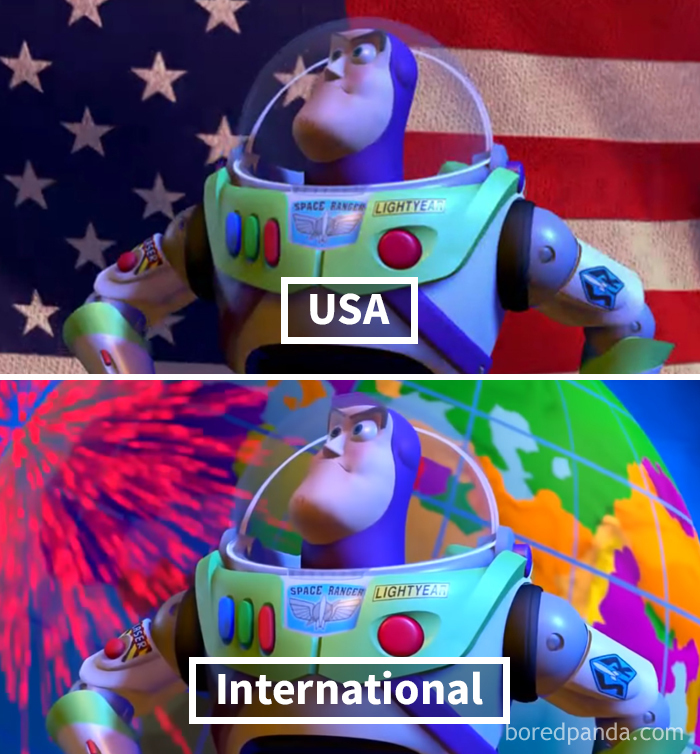
The Disney name also affects how films circulate globally. Localization, censorship changes, dubbing, and promotional edits may all vary from territory to territory, but the core brand remains a commercial shorthand. For designers, artists, and animators, that branding has concrete consequences: it influences poster art, title treatments, merchandising, and the visual language used to present the film before a frame has been seen.
What does it look like in practice?
In practice, Walt Disney Pictures appears on opening logos, end cards, press materials, and distribution credits. It is the mark that links a film to a specific industrial system: story development, production design, costuming, visual effects, animation pipelines, and post-production all coordinated under a corporate umbrella. On screen, the label is often paired with the castle logo, one of the most durable pieces of motion-graphic branding in film history.
That logo is not decoration. It works like a signature and a promise, built from animation, sound, and repeatable ritual. The studio’s films often rely on recognizable visual patterns: heroic framing, bright color scripting, clean world-building, and highly controlled spectacle. Even when the style shifts, the production values usually remain visibly expensive and tightly managed.
How is Walt Disney Pictures different from Disney Animation or Pixar?
Walt Disney Pictures is the umbrella label, while Walt Disney Animation Studios and Pixar are separate creative studios that specialize in animated features. A film made by Pixar may still be released by Walt Disney Pictures or Walt Disney Studios Motion Pictures, but its production culture, staffing, and animation pipeline belong to Pixar. The same basic arrangement applies to Disney Animation: the creative work happens in one studio, while the Disney name may handle branding and release.
This separation matters for crediting artists correctly. Concept artists, layout teams, character designers, and animators do not work for a single undifferentiated “Disney machine”; they work within specific studios with different histories and methods. Walt Disney Pictures is therefore best understood as the public-facing film label that gathers these outputs under one recognizable corporate identity.
Frequently Asked Questions
Is Walt Disney Pictures the same as The Walt Disney Company?
No. The Walt Disney Company is the parent corporation, while Walt Disney Pictures is one of its film labels. The company owns many businesses across film, television, parks, consumer products, and streaming, but Walt Disney Pictures specifically refers to the feature-film studio banner.
Does Walt Disney Pictures make animated films?
It can appear on animated releases, but it does not serve as the main animation production house. Walt Disney Animation Studios and Pixar actually make most of the studio’s major animated features. Walt Disney Pictures often functions as the branding and release label that audiences see first.
Why do some films still say Walt Disney Pictures if another studio made them?
Because Disney often releases films made by its own subsidiaries under the Disney banner. This keeps the marketing and distribution tied to a familiar name, even when the creative work comes from a different unit. The credit line reflects corporate structure as much as authorship.